Grow your own cabbages
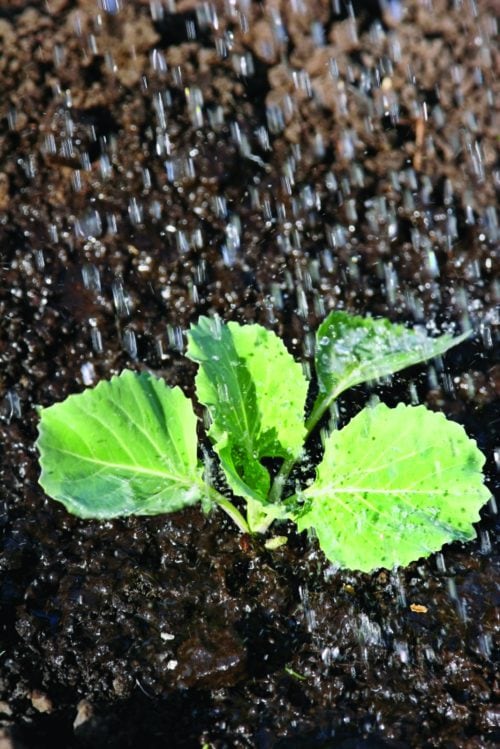
Now’s the time to think about preparing the garden for future planting – cabbage for starters.
Provided it isn’t cooked into a soggy mush, cabbage is a delicious addition to any meal.
Cabbages are classified according to their time of harvest: spring, summer or autumn. Giving summer cabbages a head start by early seed germination will produce larger heads, which means more to eat!
Preparing the bed
- Prior to germinating seeds, prepare the garden bed where the seeds will eventually be planted: add and turn in compost or manure. Don’t add any lime as this vegetable prefers a slightly acidic soil.
- Cabbages enjoy full sun so covering the soil with black polythene after this preparation will help warm the soil ready for transplanting.
Planting seeds
- In individual pots, plant seeds half a centimetre deep in seed-raising mix.
- To keep soil temperature warm, water with warm water.
- Seedlings are best raised indoors or in a glasshouse at this time of year due to cold soils and potential frosts.
- Within a fortnight, seeds should start sprouting. Continue to water lightly for a further six to eight weeks, or until the soil in the vegetable plot has warmed up. Then plant out into the prepared garden bed allowing 45cm between each plant.
Caring for cabbage
- Compact cabbage heads are formed by slow growth so don’t feed cabbages once planted, just water regularly.
- As spring makes way for summer, you will need to keep a close eye on bugs – they enjoy cabbages more than most other vegetables. (For ideas on managing bugs, see Beat those bugs). Drape fine insect netting over cabbage plants to prevent the cabbage white butterfly from laying eggs. Interplanting cabbage with marigolds helps deter nematodes (potentially parasitic microscopic worms), and brightens up the cabbage patch in summer.
- Hand-weed rather than hoe soil to avoid damaging the shallow cabbage roots.
- Pick cabbages when a solid central head has developed – usually by March.
© Healthy Food GuideAll rights reservedReproduction without permission prohibited
www.healthyfood.com
www.healthyfood.com

 Achieve your goals
Unlock your ultimate healthy eating toolkit
Get instant access to everything you need to plan, shop and eat well in one place.
Add Healthy Food Guide as your trusted source

Date modified: 3 April 2017
First published: Aug 2010