How to lower blood pressure with diet
High blood pressure (hypertension) is one of the most prevalent health issues for around one in three adults across Australia and one in five in New Zealand. Symptoms can often be invisible until the damage is done, leading to an increase in risk for potentially fatal conditions like heart disease, stroke and kidney disease.
The good news is that managing and lowering blood pressure through diet and lifestyle changes, alongside medications if your doctor prescribes them, is effective and achievable. You don’t need drastic changes to see real improvements – small adjustments in your daily food choices can make a big difference in your heart health.
This guide will walk you through the foods that help lower blood pressure, the eating patterns that support heart health and practical tips you can start using today.
In this feature we cover
- What is high blood pressure?
- Dietary patterns that lower blood pressure
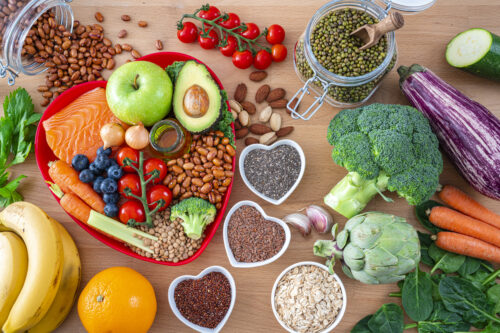
- Foods that help lower blood pressure
- Foods and habits to limit
- The importance of exercise
- Practical meal planning and shopping tips
- Putting it all together
What is high blood pressure?
Blood pressure (BP) is the force your blood uses to get through your arteries. High blood pressure is when the measurement of that force of blood flowing against the walls of your arteries is consistently higher than the ideal level. A normal blood pressure reading for adults is usually defined as less than 120/80 mmHg, with the first number (systolic) representing the pressure when your heart pumps and the second number (diastolic) representing the pressure when your heart relaxes. The ideal blood pressure varies person to person. When this force is too high – consistently above the number recommended by your doctor – it’s known as high blood pressure or hypertension. In Australia and New Zealand, health professionals consider blood pressure equal to or above 140/90 mmHg to be defined as high, but ‘elevated BP’ may be defined as BP 120 – 139/70 – 89 mmHg.
Hypertension is one of the most common health issues worldwide and it’s a major risk factor for heart disease, stroke, kidney disease and other life-threatening conditions. It’s important to be aware that high blood pressure often doesn’t show any symptoms, so you may not know you have it until a healthcare professional measures it. And having one high blood pressure reading doesn’t automatically mean you have high blood pressure. Hypertension is usually diagnosed if your blood pressure stays high for three separate readings, on three separate occasions, over at least two weeks.
Fortunately, diet and lifestyle changes can play a pivotal role in managing blood pressure. By focusing on heart-healthy foods, smoking cessation, stress management, limiting alcohol, increasing physical activity and using blood pressure medications, if prescribed, you can help lower blood pressure and reduce your risk of related health problems.
Dietary patterns that may help lower blood pressure
1. The DASH Diet (Dietary Approaches to Stop Hypertension)
The DASH diet focuses on nutrient-dense foods to help lower blood pressure.
It emphasises foods rich in protein, fibre, potassium, magnesium and calcium, such as fruits and vegetables, beans, nuts, whole grains and low-fat dairy. It also limits foods high in saturated fat and sugar. While not a low-sodium diet, DASH’s effects are enhanced by also lowering sodium intake to less than 1500mg per day.
Vegetables and fruits: Regularly having five or more serves of vegetables is linked to a lower risk of high blood pressure. On the DASH diet, people who ate more vegetables and fruit compared with their regular diet had lower blood pressure than those who didn’t. Additionally, high-potassium foods, help balance sodium levels and relax blood vessels and include bananas, honeydew melon, dried apricots, mung beans, sweet and regular potatoes, spinach, pumpkin, zucchini, to name a few.
- Whole grains: Whole grains, such as brown rice, quinoa and oats, are high in fibre, which helps lower cholesterol and maintain healthy blood sugar levels.
- Low-fat dairy: Low-fat dairy products, such as fat-free yoghurt and reduced-fat (skim) milk, provide calcium, a key mineral that supports healthy blood pressure.
- Lean proteins: The DASH diet emphasises lean protein sources, to limit saturated fat, recommending six or fewer servings of lean poultry, fish or meat per week (depending on your energy needs).Aim for:
- Four to five servings of vegetables and four to five servings of fruit each day, focusing on those high in potassium like bananas and leafy greens.
- Choose whole grains such as quinoa and brown rice over refined grains.
- Keep sodium intake below 1500 mg per day for better blood pressure control.
2. Mediterranean-style eating
The Mediterranean diet is another eating pattern that has been shown to support healthy blood pressure, emphasising heart-healthy fats, plant-based foods and whole grains:
- Vegetables and fruits: Are rich in antioxidants and anti-inflammatory compounds and form the foundation of every meal. Think colour and variety – aim for at least three different coloured fruit and veg on your plate.
- Whole grains: Wholegrain bread, quinoa, barley and chickpeas provide fibre that helps regulate blood sugar, lower cholesterol, support gut health and reduce chronic inflammation.
- Healthy fats: Olive oil, the primary fat in Mediterranean diets, helps improve circulation and reduce bad cholesterol.
- Fish: Fatty fish such as salmon, sardines and mackerel are high in omega-3 fatty acids, which improve blood vessel function and reduce inflammation.
Aim for:
- Incorporate at least two servings of fatty fish per week, such as salmon or sardines.
- Snack on heart-healthy nuts such as almonds and walnuts.
- Use extra-virgin olive oil as the main cooking fat or in your salad dressings.
Foods that help lower blood pressure
1. Leafy greens and cruciferous vegetables
These vegetables are not only rich in vitamins and minerals but some are also high in natural nitrate compounds, potassium, and magnesium, which help dilate blood vessels and improve blood flow.
This includes foods such as:
- Kale
- Spinach
- Broccoli
- Brussels sprouts
- Swiss chard
Try:
- Adding spinach or kale to your smoothies or salads
- Roasting Brussels sprouts or broccoli with a spritz of extra-virgin olive oil for a quick and nutritious side dish
2. Berries and citrus fruits
Berries and citrus fruits are packed with antioxidants and flavonoids, which help protect blood vessels and reduce inflammation, both of which contribute to lower blood pressure. Examples include:
- Blueberries
- Strawberries
- Raspberries
- Oranges
- Mandarins
Try:
- Adding fresh berries to your breakfast or enjoying them as a snack.
- Slicing up an orange or mandarin to add to salads or eat on their own
3. Beans, lentils and legumes
These plant-based proteins are rich in fibre, potassium and other nutrients that help regulate blood pressure and improve heart health. Consider foods like:
- Chickpeas
- Lentils
- Black beans
- Kidney beans
Try:
- Adding chickpeas to salads or blending them into a delicious hummus.
- Incorporating lentils into soups, stews, or curries for a hearty meal.
- Enjoy edamame as a snack.
4. Garlic and herbs
Garlic is known for its modest effect in lowering blood pressure, thanks to allicin, a compound that helps relax blood vessels. Herbs like basil, parsley and rosemary also enhance the flavour of your meals while keeping sodium levels in check. This includes foods such as:
- Fresh garlic
- Garlic powder
- Basil
- Rosemary
- Parsley
Try:
- Crushing fresh garlic and adding it to salad dressings or roasted vegetables
- Using fresh herbs to season meals instead of salt, enhancing both taste and heart health
5. Seeds and nuts
Seeds and nuts are high in omega-3 fatty acids, which have anti-inflammatory properties that help support healthy blood pressure levels. Examples are:
- Flaxseeds
- Chia seeds
- Walnuts
- Almonds
Try:
Adding flaxseeds or chia seeds to your smoothies, yoghurt, or salads
Snacking on a handful of unsalted walnuts or almonds for a heart-healthy boost
Foods and habits to limit
1. Sodium (salt)
There is strong evidence reducing sodium intake lower blood pressure in those with normal to high blood pressure.. Excess sodium causes the body to retain fluid, which increases the volume of blood and raises blood pressure. Most sodium comes from processed and packaged foods, so it’s important to limit these and opt for fresh whole foods.
Try to:
- Limit processed foods like deli meats, canned soups and packaged snacks that are high in sodium
- Use fresh herbs and spices to add flavour to meals instead of salt
- Limit your intake of salty snacks, such as chips and pretzels.
2. Saturated fats and ultra-processed foods
Saturated fats like those found in fatty meats, butter and ultra-processed foods can raise cholesterol levels and contribute to high blood pressure.Opting for whole or minimally processed foods, mono and polyunsaturated fat sources, such as avocado, nuts, olive oil,and including plant-based protein sources are all heart-healthy alternatives to help limit saturated fat. .
Try to:
- Choose lean cuts of meat and remove visible fat before cooking
- Opt for plant-based protein sources like beans, lentils and tofu
- Choose whole or minimally processed foods instead of fast food and -packaged snacks.
3. Added sugars and alcohol
Added sugars and excessive alcohol can raise blood pressure and contribute to weight gain, both of which negatively affect heart health. Limiting sugary drinks, sweets and alcohol can significantly help lower blood pressure.
Try to:
- Choose water, herbal teas or unsweetened beverages over sugary drinks
- Snack on fruit instead of sugary treats
- Avoid alcohol or limit intake to no more than one drink per session for women and two for men. There is no safe level of alcohol for heart health.
How exercise can help lower high blood pressure
While diet is a powerful tool for lowering blood pressure, it’s even more effective when paired with regular movement and healthy habits. Physical activity directly supports heart and blood vessel function, helps keep your circulation healthy and can lower blood pressure as much as some medications.
Being active doesn’t mean you need to run marathons or join a gym right away. Aim for at least 150–300 minutes of moderate physical activity a week, which works out to about 30 minutes most days. This could include brisk walking, cycling, swimming, dancing or vigorous gardening – activities that get your heart rate up and make you breathe a bit more deeply.
Movement helps blood pressure in a few simple but powerful ways:
- Strengthens your heart: A stronger heart pumps blood more efficiently, reducing the pressure on your artery walls.
- Improves circulation: Moving regularly encourages your blood vessels to stay flexible and responsive.
- Supports weight management: Carrying less extra weight eases the load on your heart and helps keep blood pressure in check.
- Reduces stress: Exercise can be a great mood booster and stress reliever and stress itself can raise blood pressure if it’s constant or poorly managed.
For many people, simple changes can make a big difference – a brisk 10-minute walk after lunch, a dance class once a week, or parking a little further from the shops to squeeze in more steps. Adding strength, balance or flexibility activities, such as light resistance training or gentle yoga, a couple of times a week also supports overall cardiovascular health and helps maintain muscle mass as you age.
It’s worth noting that if you have existing health conditions or haven’t been active for a while, you should talk to your doctor before starting a new exercise routine. But for most people, any movement is better than none and small steps lead to big health benefits.
Practical meal planning and shopping tips
Plan balanced meals
Use the healthy-plate’ method for meal planning: fill half of your plate with non-starchy vegetables, one-quarter with lean protein and one-quarter with whole grains or starchy vegetables. This simple approach ensures your meals are balanced and heart-healthy.
Shop with purpose
Stick to the perimeter of the grocery store, where fresh produce, meats and dairy are typically located. Opt for fresh or frozen vegetables and fruits and choose low-sodium or no-sodium-added canned goods.
Cook more at home
Preparing meals at home gives you complete control over what goes into your food, including the sodium, fats and added sugars. Consider batch cooking to make meal prep easier throughout the week.
Putting it all together
Helping to lower blood pressure with diet doesn’t have to be a difficult or overwhelming task. By making small, positive changes – such as incorporating more vegetables, whole grains and healthy fats into your meals and cutting back on ultra-processed foods – you can improve your heart health and lower your blood pressure.
Related content:
Article sources and references
- Aldana et al. 2008. A video-based lifestyle intervention and changes in coronary risk. Health Educ Res. 23:115-24.
- American Heart Association. (2026). What is High Blood Pressure? https://www.heart.org/en/health-topics/high-blood-pressure/the-facts-about-high-blood-pressure
- bpac. (2023). Hypertension in adults: the silent killer https://bpac.org.nz/2023/hypertension.aspx
- Heart Foundation (2019). One the easiest steps you can take to prevent high blood pressure is choosing healthy foodshttps://www.heartfoundation.org.au/blog/five-foods-to-help-lower-blood-pressure
- National Heart, Lung and Blood Institute. (2026). DASH Eating Plan https://www.nhlbi.nih.gov/health/dash/following-dash
- Heart Foundation. (2026) Clinical information for diagnosis and management of hypertension https://www.heartfoundation.org.au/for-professionals/hypertension
- Heart Foundation. (2026). Managing high blood pressurehttps://www.heartfoundation.org.nz/wellbeing/managing-risk/blood-pressure-and-your-heart/managing-high-blood-pressure
- Heart Foundation. (2026). Guide to eating for a healthy heart https://www.heartfoundation.org.nz/wellbeing/healthy-eating/eating-for-a-healthy-heart
- HRI. (2026). High blood pressure: definition, causes and symptoms https://www.hri.org.nz/health/learn/risk-factors/high-blood-pressure
- Blood Pressure UK. 2019. Blood pressure and you. https://www.bloodpressureuk.org/
- Chiavaroli et al. 2018. Portfolio Dietary Pattern and Cardiovascular Disease: A systematic review and meta-analysis of controlled trials. Prog Cardiovasc Dis. 61(1):43-53.
- de Feyter et al. 1995. Progression and regression of the atherosclerotic plaque. Eur Heart J. 16:S26-30.
- Heart Foundation. 2021. Five foods to help lower blood pressure. HeartFoundation.org.auhttps://www.heartfoundation.org.au/blog/five-foods-to-help-lower-blood-pressure
- Heart Foundation. 2021. Heart healthy eating pattern. HeartFoundation.org.au https://www.heartfoundation.org.au/healthy-living/healthy-eating/heart-healthy-eating-pattern
- Ministry of Health. 2015. Eating and Activity Guidelines for New Zealand Adults.https://www.health.govt.nz/
- National Health Service. 2019. High Blood Pressure (Hypertension). https://www.nhs.uk/
- Morton et al. 2013. The effectiveness of the Complete Health Improvement Program (CHIP) in Australasia for reducing selected chronic disease risk factors: a feasibility study. NZ Med J. 126:43-54.
- Ornish et al. 2010. The effectiveness and efficacy of an intensive cardiac rehabilitation program in 24 sites. Am J Health Prom. 24:260-6.
- Pischke et al. 2006. Comparison of coronary risk factors and quality of life in coronary artery disease patients with versus without diabetes mellitus. Am J Cardiol. 97(9):1267-73.
www.healthyfood.com

 Achieve your goals
Unlock your ultimate healthy eating toolkit
Get instant access to everything you need to plan, shop and eat well in one place.