Save your own skin
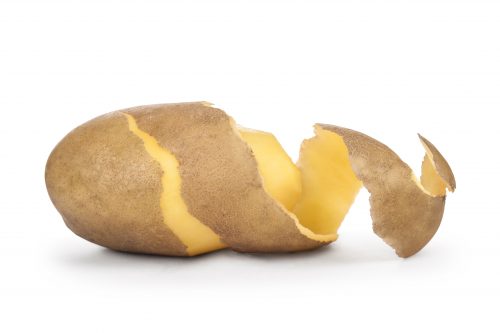
When it comes to nutrition, one person’s trash is another’s treasure, so take a look at vegetable and fruit skins and stalks.
Lots of the fruit and vegetables we buy go to waste with stalks and skins being tossed in the compost heap or the bin. This means we are throwing away valuable nutrients, and stalks and skins can also add flavour and texture to meals.
What’s so good about them?
Skin and stems are often high in fibre, which fills you up andis good for the digestive system. The skin, or the layer just under the skin, often contains considerable amounts of vitamins and minerals especially phytonutrients and antioxidants. Cooking veges and fruit in their skins also stops the leaching of valuable nutrients into the cooking water. But it’s important to remember not all the nutrients are in the skin, and if a dislike for skin is standing in the way of you eating fruit and veges, don’t feel too guilty about discarding it. You’ll still have a higher nutrient intake than if you skipped eating them entirely. If you do peel produce, try to take the thinnest layer possible.
Ways to use skins and stalks
- When using fruits and vegetables such as apples, carrots and potatoes don’t peel them — grate, slice or dice, with their skins on.
- When gently frying leafy greens, slice the stems and cook for a couple of minutes before adding the leaves.
- Make a refreshing drink by blending watermelon flesh and rinds with lime juice and mint.
- Collect and store vegetable waste in the freezer. Once you have enough, throw in the slow cooker with water and seasonings and cook overnight. Strain and you’ll have fresh vegetable stock.
- Silver beet stalks can be pickled for a crunchy, chutney-like relish or puréed for hummus.
- Marinate watermelon rind in a mixture of lemongrass syrup, lime juice, basil, fresh chilies, and fish sauce and add to a salad or stir-fry.
- Onion leftovers can add lots of flavour to soups and stocks. Simmer, and then discard skins before serving.
- Juice your carrots with the greens and skins still on.
- Add apple peel to simmering oatmeal along with raisins and cinnamon, or throw it into a smoothie for extra fibre.
- Grate or finely slice stalks of broccoli or cauliflower and add to coleslaw. Or add to a stir-fry, along with the florets. The tender leaves of these vegetables can also be used.
www.healthyfood.com

 Achieve your goals
Unlock your ultimate healthy eating toolkit
Get instant access to everything you need to plan, shop and eat well in one place.