Ask the experts: Wholegrain rice and oats
Q: I like brown rice and I like that it’s a whole grain, but how much nutritional value is lost with the 90-second brown rice and ‘instant oats’ compared to regular varieties?
A: Dietitian Amanda Johnson responds:
“Fast-cook rice has generally been steamed to reduce cooking time to two minutes or less. A small amount of vegetable oil and salt may be added to the product during processing (check the ingredients) so there may be a slightly higher energy, fat and sodium content.
Differences between quick-cook rice and standard boiled rice, however, are very small and unlikely to have a significant effect on the overall nutritional value.
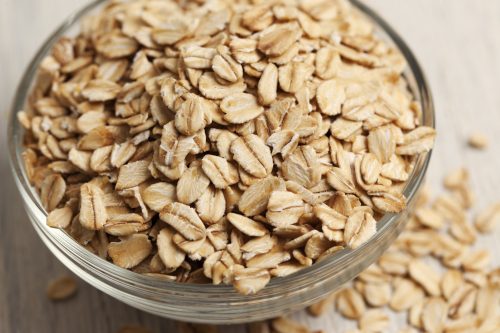
When instant oats are processed in the factory, the kernel is cut or sliced before rolling, whereas regular oats are rolled from the whole kernel. Different rolling widths can be used to achieve different cooking times and textures.
Flavoured varieties will have ingredients added during processing such as dried fruit and sugar, and this will have some impact on the nutritional value, but original ‘unflavoured’ oats will be similar in terms of nutritional value to standard rolled oats.”
What are whole grains?
Whole grains are made from all of the grain (including the bran and germ) so whole grains are richer in fibre and nutrients than refined grains.
Benefits
Including more whole grains in our diets has potential benefits including reducing the risk of heart disease and some cancers. Whole grains can also help with weight control as they’re more filling.
Ideas to increase your whole grains
- Try making tabouli with coarse ground bulgar wheat (cracked whole wheat): super-easy as there’s no cooking required!
- Enjoy the nutty texture of brown rice instead of white rice.
- Make a quinoa (keen-wa) salad using red or white quinoa. Cook it like pasta (much easier than the absorption method) and add seeds, nuts, sultanas, and the zest and juice of a lemon.
- Use rolled oats as a hot or cold breakfast cereal.
- Add corn: sweet corn, canned corn and popcorn are all whole grains.
- Try making barley salad instead of white rice salad.
- Add oats when baking muffins or slices.
- Become a label reader and check ingredients in cereals, crackers and breads.
www.healthyfood.com

 Achieve your goals
Unlock your ultimate healthy eating toolkit
Get instant access to everything you need to plan, shop and eat well in one place.

Ask a dietitian!
 Min Saw
APD, B Nutr Diet (Hons)
Min Saw
APD, B Nutr Diet (Hons)
Got a burning question about nutrition you’d love our dietitian to answer in our Ask the Expert column? Submit it here for consideration and we’ll let you know if your question is selected to be published.
Sign up or to send your first question and access over 5300 recipes, advice and more.