Ask the experts: Vitamin K
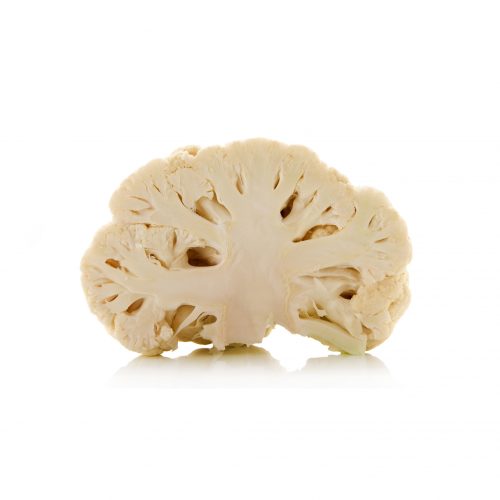
Q: "There are so many vegetables, like broccoli and cauliflower, that contain vitamin K, which can interfere with Warfarin. I understand that a relatively constant intake of vitamin K foods is essential, but should not exceed around 250-500 micrograms (mcg). The word micrograms puzzles me, and if there is any simpler way of assessing the amounts, and any suitable recipes that would still allow the green vegetable family, this would be greatly appreciated."
IreneA: Katrina Pace, a dietitian specialising in older people's nutrition, responds:
"Warfarin is a medication used to thin the blood. It's prescribed to people who are at risk of developing blood clots (such as after a stroke, deep vein thrombosis, pulmonary embolism or heart attack).
What seems to be most important for people taking Warfarin is that their vitamin K intake remains relatively stable. You are right in saying that you should not exceed 250 micrograms (mcg) daily, however it is easier on a day-to-day basis to make sure you are eating constant amounts. Vitamin K is found in two main food groups; dark green leafy vegetables and some oils. The oils that are high in vitamin K are canola, olive and soy bean. If foods have been prepared using these oils (such as mayonnaise, salad dressings, roast vegetables) then they may be high in vitamin K, too. Dark green leafy vegetables include silver beet, broccoli, spinach, puha, watercress, cabbage and dark green lettuces. Herbs are also high in vitamin K, but usually they are taken in small enough amounts not to have an effect. Vitamin K is also found in many vitamin and dietary supplements, and so it is important to avoid any supplement unless directed to take it by your doctor. Some products are specifically designed to include vitamin K, such as Anlene® dairy products. These should be avoided.
Practical ways to manage your vitamin K intake on a daily basis, are to keep to a constant amount of vitamin K-containing foods. Aim for three servings of vegetables every day and include dark green vegetables as one of these. Mix dark green vegetables with other coloured vegetables. Keep your intake of canola, olive or soy bean oil low. Try to avoid sudden variation in your intake of any of these foods, but if you do, then tell your doctor.
A good source of information on foods that are low or high in vitamin K can be found at Dr Gourmet. This website also contains recipes that can be used for people on Warfarin."
www.healthyfood.com

 Achieve your goals
Unlock your ultimate healthy eating toolkit
Get instant access to everything you need to plan, shop and eat well in one place.

Ask a dietitian!
 Min Saw
APD, B Nutr Diet (Hons)
Min Saw
APD, B Nutr Diet (Hons)
Got a burning question about nutrition you’d love our dietitian to answer in our Ask the Expert column? Submit it here for consideration and we’ll let you know if your question is selected to be published.
Sign up or to send your first question and access over 5300 recipes, advice and more.