Navigating peri and menopause – a complete guide
In summary
- Perimenopause can begin eight to 10 years before menopause, bringing hot flushes, night sweats, mood and sleep changes, and more than 40 other possible symptoms.
- Diet and lifestyle tweaks, can help manage symptoms and protect your health during this transition.
- Hormone replacement therapy can improve quality of life and bone health.
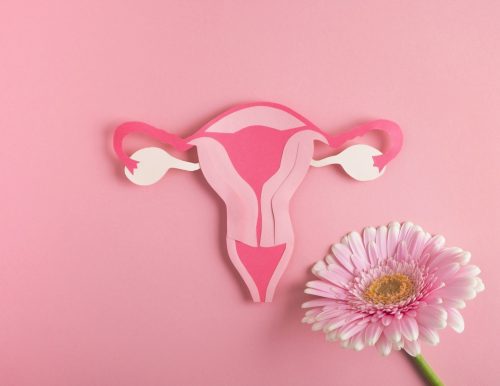
Hot flushes, night sweats, mood and sleep changes and stubborn belly fat could all be indicators you‘re entering perimenopause and menopause. Healthy Food Guide reveals how the female body responds in the lead up to menopause, and what you can do to prepare for it, including how diet can help.
Here’s what we cover:
- What menopause is
- What your hormones are doing
- Symptoms of perimenopause
- Diet changes that help with symptoms
- Weight creep during peri and menopause
- Hormone replacement therapy
- Natural remedies
Sometime, usually between the ages of 40 and your approach to the big 5-0, you might start noticing a few changes with your body. Perhaps you wake up in a sweat at night, or your periods become erratic and are often accompanied by heavy bleeding. If this sounds familiar, chances are you’re going through what is known as perimenopause. This is the stage leading up to menopause, when your monthly menstrual periods naturally stop and indicate the end of your reproductive years.
It’s common for women to experience a range of telling symptoms as their hormones begin to fluctuate during the months, and sometimes years, leading up to menopause.
Many women talk about perimenopause being a time of hormonal chaos, when hormone levels swing rapidly from low to high. Read on to find out all you need to know about perimenopause and what you can do to cope with the changes.
What is menopause (and perimenopause)?
Menopause is the point where a woman has not had a menstrual period for at least 12 months.
The average time a woman reaches menopause is between 51 and 52 years of age. Menopause is a normal part of ageing and marks the end of women’s reproductive years.
Perimenopause, on the other hand, is an extended transitional state that can begin eight to 10 years before you reach menopause. The symptoms of perimenopause can be similar to, or even more intense, than those of menopause.
3 stages of menopause
Perimenopause
The lead up to menopause (running out of eggs)
Menopause
When you’ve had no periods for 12 months (no more eggs)
Postmenopause
Your body adapts to lower levels of hormones
What your hormones are doing in the transition to menopause
Perimenopause is defined as the lead up to a woman’s final menstrual period. It’s when your ovaries start to wind down and run out of eggs. It usually happens in a woman’s 40s and, on average, lasts between four and six years. It can be as short as one year or as long as ten.
When you have experienced no period, spotting or staining for at least 12 months, you’ve reached menopause. Your body learns to function with lower hormone levels and you’re considered postmenopausal.
Declining ovarian function causes fluctuations in female hormones oestrogen and progesterone which, in turn, can affect your periods. Changes to your periods are often the first sign of perimenopause, but other common symptoms include hot flushes and mood swings.
Perimenopause symptoms at a glance
Symptoms may come in waves and often get worse just before your period, when oestrogen levels drop. They can include but are not limited to:
- Hot flushes
- Night sweats
- Irregular periods
- Trouble sleeping
- Itchy/crawly/dry skin
- Exhaustion
- Vaginal dryness
- Low sex drive
- Migraines
- More pronounced premenstrual tension
- Mood changes, such as feeling teary and more irritable
- Weight gain.
Peri and menopause symptoms that may surprise you
Most women (and men, we hope by now) will be aware of the classic symptoms of menopause or perimenopause.
There are the hot flushes; the night sweats; the weight gain, cycle changes and sleep issues. But did you know there are more than 40 symptoms of perimenopause? And not all of them are things we’d automatically associate with hormonal change.
It’s not surprising – women are wired for oestrogen, and we have oestrogen receptors all over our bodies, contributing to crucial bodily processes. When oestrogen starts to fluctuate, all sorts of weird and wonderful things can start to happen. Here are a few perimenopause symptoms you might not know about.
1 Joint pain
Women are twice as likely as men to develop osteoarthritis, and this can often start to happen in perimenopause.
As well, women can often experience more pain in joints – especially knees, elbows, shoulders and hands – because of the decline in oestrogen that happens at this time.
Oestrogen reduces inflammation and helps keep joints lubricated and functioning, so it makes sense that as oestrogen declines, pain increases.
What you can do about it:
Keep your joints strong and mobile with regular weight-bearing exercise. Anti-inflammatory medication might be recommended, and there’s some evidence hormone replacement therapy (HRT) may help relieve joint pain, too.
There are some supplements that claim to offer relief; these can be worth trying, but if you don’t feel an effect within a month or so, move on.
2 Brain fog
This is a big one. You know, that moment when you forget the name of the Thing/person/place you know super well; it was right on the tip of your tongue and now it’s just… gone?
Brain fog, and a feeling of not being able to multi-task or concentrate as well as you once could, is very common among women at perimenopause.
Brain fog can be caused or compounded by lack of sleep and, of course, it can be linked to other external issues in our daily lives.
But there’s a definite hormonal component here, too. Experts don’t really know what is going on, but it’s thought it’s related to oestrogen fluctuation, again.
What you can do about it:
There’s not much we can do about this one except know: it will improve once you’re through perimenopause and the hormone fluctuations are starting to calm down.
Sorting out sleep can help, which may be why HRT use tends to show benefits for brain fog.
3 Depression and anxiety
A 2006 study, following women aged between 36 and 44 who hadn’t had depression before, found that as they hit perimenopause, they were twice as likely to have ‘clinically significant depressive symptoms compared with younger women.
Women who also reported hot flushes and night sweats were even more likely to feel depressed.
Anxiety and panic disorders are also common at this time. Again, this is related to the oestrogen receptors in our brains messing with our moods.
What you can do about it:
Talk to your doctor about the range of treatments that are available, including anti-depressant medications; HRT and complementary therapies.
There’s also evidence exercise can really help, along with following a Mediterranean pattern of eating.
4 Dry eyes
We know that declining oestrogen level during perimenopause causes the skin to become thinner and less elastic.
It also affects our mucous membranes, including the eyes. The lacrimal glands keep our eyes moist; they produce lacrimal fluid which lays like a film on the eye and protects it.
The hormonal changes during perimenopause may cause the lacrimal glands to produce less fluid, drying out the eyes.
What you can do about it:
Try lubricating eye drops, and make sure you stay well hydrated by keeping up your fluid intake. Avoid air-conditioned rooms and try to rest – and blink – your eyes regularly.
5 Headaches
Women who’ve previously suffered from headaches at different stages in their menstrual cycle, or who’ve been prone to migraines, can suffer from more headaches as hormones fluctuate during perimenopause.
Like many things related to perimenopause, it’s not completely understood why this is. But it does seem to ease once women are through the menopause transition.
What you can do about it:
Talk to your doctor about treatments – there are medications that may help, and for some women, HRT will ease headaches too.
Regular exercise can be useful in preventing headaches, so try to get 30 minutes at least three times a week. And some foods can trigger headaches – so try keeping a food diary, and noting any links.
Diet and lifestyle tweaks that can help with perimenopause symptoms
While you can’t stop nature from taking its course, there are changes you can make to your diet and lifestyle to help you feel your best through perimenopause and beyond.
Now is not the time to embark on drastic diets or set unrealistic fitness goals. Instead, small yet sustainable changes to your daily habits will help set you up for the next stage of your life by decreasing your risk of developing chronic diseases associated with ageing. Try the following:
1 Make protein a priority
As you head through perimenopause and menopause, your body gradually loses muscle mass and strength. Eating enough protein, alongside regular strength exercise, can help maintain muscle and support healthy ageing. Include a source of protein at each meal, such as eggs, fish, chicken, tofu, legumes, yoghurt or lean meat.
2 Eat three to four serves of dairy a day
As you age, your risk of osteoporosis, or brittle bones, increases. To meet your increased calcium needs, include more dairy foods in your diet. Try having a milk-based smoothie for breakfast, cheese and crackers for snacks, and a tub of yoghurt for dessert. You don’t have to choose reduced-fat dairy foods, but if you are trying to lose a few kilos, it’s one way to consume fewer kilojoules.
3 Snack on nuts and seeds
For a hit of hunger-busting protein and heart-healthy fats, snack on a small handful (about 30g) of nuts every day. They’re great in salads, too!
4 Load up on colourful veg
It’s never too late to up the ante when it comes to consuming more low-kilojoule, high-nutrient vegetables. If you’re not getting enough in your main meals, try eating vegie sticks with hoummos for an easy, between-meals snack.
5 Include soy foods
Many women think soy foods can have harmful hormonal effects. Yet, overall, research concludes eating whole soy foods like tofu and tempeh, in amounts similar to traditional Asian diets, is safe – and can even reduce your risk of developing breast cancer.
Soy foods are phytoestrogens, plant-based oestrogen that mimics the role of natural oestrogen in the body. For one in three, eating phytoestrogen-rich foods (soy milk, tempeh, tofu, soy-linseed bread) may ease menopausal symptoms.
6 Be active daily
It is never too late to start exercising. Even just 20 or 30 minutes a day of moderate exercise, such as walking, swimming or yoga, brings great health benefits. These include improved mood, better sleep, more energy and a lower risk of developing heart disease, diabetes and osteoporosis.
7 Enjoy oily fish two to three times a week
Oily fish, such as sardines, tuna, salmon and mackerel, are rich in long-chain omega-3 fatty acids that support brain and heart health. Research also suggests these omega-3 fats can help ease depressive symptoms associated with the menopausal transition. Don’t forget, either, that it doesn’t have to be fresh seafood – canned salmon and sardines are also high in omega-3 fats.
8 Step outside
As you age, your skin’s ability to produce vitamin D after it is exposed to sunlight declines, which then impacts calcium absorption. With sun safety in mind, head outdoors daily at a time when the UV index is 2 or below. You can also top up your levels with eggs, oily fish, and mushrooms that have been left in the sun. But remember, our biggest source of vitamin D is from sun exposure.
Love your heart and bones
Falling oestrogen levels can affect bone density and mean less protection against heart disease. Prioritise:
- Two to three portions of calcium-rich foods a day, such as yoghurt, cheese or milk, for bone health.
- Two portions of fish a week, one of which should be oily, for their heart-friendly omega-3 essential fatty acids.
- A heart-healthy, low-sat-fat diet with 30g fibre a day from whole grains, pulses and beans, and at least five serves of fruit and veg a day for a wide range of nutrients.
Weight creep during peri and menopause
Among the cluster of physical and emotional symptoms that can develop, many women notice their weight starts to creep up – and, if they’re not happy with it, they find the weight frustratingly harder to shift than they once did.
A big reason for weight gain during this time is that women tend to become less active with age. This leads to a loss of muscle mass which, in turn, slows down your metabolism – so you don’t need as much energy to maintain your body weight as you previously did. The problem, however, is that although kilojoule requirements lessen, many people don’t adjust their eating habits – so they put on weight over time.
Some research also suggests that about the time of peri and menopause, levels of the hunger hormone ghrelin become elevated, which can drive women to eat more than usual.
In conjunction with this, levels of the hormone oestrogen drop. This makes women more prone to gaining weight around their mid-section rather than around their hips, bottom or thighs.
How can weight affect health in menopause?
Entering menopause can be challenging, but middle-age spread is not inevitable during this time. Maintaining a healthy weight is a priority, because gaining excess unwanted kilos can have serious health implications, such as:
- Increased risk of disease
Carrying too much weight increases your risk of many serious chronic diseases. These include heart disease, insulin resistance, diabetes, sleep apnoea, fatty liver and a number of cancers, such as postmenopausal breast cancer and liver cancer.
- Worsened menopause symptoms
Weight gain can exacerbate some symptoms experienced during menopause. Increased weight can worsen joint pain, hot flushes and night sweats.
- Increased visceral fat
An expanding waistline is more dangerous than gaining weight around the hips and the thighs. That’s because fat clustering around the abdomen can wrap around vital organs – this is called visceral fat. This fat has a much greater effect on your metabolism and disease risk than the fat lying immediately under the skin (which is called subcutaneous fat). A strong correlation is known to exist between people’s waist circumferences and the amount of visceral fat they have – so for most women a waist measurement of 80cm or more could indicate too much visceral fat.
How to maintain a healthy weight range
It’s pretty simple: diets don’t work. They fuel a vicious circle, starting with food restriction, which can cause feelings of deprivation and later guilt, when willpower runs out. This cycle repeats itself again and again. Fad diets that cut out whole food groups deny your body many nutrients it needs to function at its best.
Balance food groups
A much better alternative is to follow a balanced eating plan for gradual weight loss. By incorporating all food groups – whole grains, lean protein, reduced-fat dairy, fruit and vegetables, and healthy fats – and being mindful of portion sizes, you’re giving your body all the nutrients it needs to stay healthy and function at its peak. It’s a much more realistic and sustainable approach.
Sweat it out
Doing enough physical activity is vital not just for weight loss, but also for your overall health. It helps you burn kilojoules and build lean muscle mass, which speeds up your metabolism, and can help with mood. Weight-bearing exercise is particularly good for keeping your bones strong. Aim for at least 150 minutes of physical activity per week.
Stress management
If you’re chronically stressed, your body is bathing in the stress hormone cortisol, which can lead to fat being stored around central organs. So, it’s important to include stress-relieving activities in your weekly routine, such as a yoga class, a relaxing bath, or curling up with your favourite book.
Sleep and perimenopause symptoms
Intake of sugary sweets, fast carbs and salty snacks can increase by 30 per cent when you’re tired, compared with the food choices you make when you’ve had eight hours sleep. Without enough sleep, your hunger hormones can also become unbalanced and make you feel hungrier than normal. So set yourself a firm lights-out time and stick to it.
Pantry essentials
Pop these foods on your shopping list to boost nutrition and feel great.
- Rolled oats
Whole grains are a great source of quality carbohydrates to fuel your busy day. With a low glycaemic index (GI), rolled oats will keep you going and help avoid the dreaded 3pm slump.
- Legumes
Evidence suggests people who regularly eat legumes are less likely to be overweight. Brimming with muscle-building protein and gut-loving fibre, legumes such as beans, chickpeas and lentils keep you feeling full and satisfied for longer.
- Greek-style yoghurt
A high-protein choice to bust hunger pangs, yoghurt is a great between-meals bite. Choose a low-fat, high-protein, plain variety, and add sweetness with fresh fruit and berries to minimise added sugar.
- Leafy greens
Filling half of your plate with non-starchy veges is a great way to fill up while keeping weight in check. As well as containing key vitamins, minerals and antioxidants, veggies are low in kilojoules and high in hunger-busting fibre.
- Nuts
A body of research shows nuts can help with weight management. They are especially rich in heart-healthy fats, fibre and protein, which all help to manage appetite. Enjoy a 30g handful as a tasty, portable snack.
- Eggs
New research suggests a higher-protein breakfast may help to regulate eating later in the day by keeping you satisfied longer. With 13g in two eggs, they’re an ideal high-protein breakfast ingredient and spreading protein throughout your day is great for your muscles.
- Water
Soft drinks, alcohol and sugary smoothies can quickly add excess energy to your diet without you realising it. So, make the switch to water and reap the rewards.
Hormone replacement therapy (HRT)
Hormone replacement therapy consists of oestrogen or progesterone, or a combination of both. It comes in tablets, skin patches and gels. HRT got a bad wrap for a while due to some studies associating it with an increased risk of breast and other cancers.
But experts say the risk increase is small and people need to weigh up the potential benefits against that, when deciding whether or not to proceed with HRT.
A woman and her doctor can discuss if HRT is the right option based on the woman’s symptoms, medical history and risk factors.
Benefits of HRT include:
- Improved quality of life for women who suffer significant symptoms
- Reduced risk of fragile bones from osteoporosis after menopause
- HRT is usually not associated with weight gain
- Women who take combined HRT are less likely to have type 2 diabetes
Potential risks of HRT include:
- Long-term use of combined HRT (longer than five years) may slightly increase the risk of breast cancer
- HRT increases the risk of blood clots and strokes. The risk is low in women aged under 60, and may be lower still when HRT is not combined, eg, oestrogen only
- Oral HRT has been associated with an increased risk of gallbladder inflammation.
What remedies might help with peri and menopause symptoms?
According to science, there are not many alternative therapies that work for hot flushes — no matter the claims. A big 2016 systematic review and meta-analysis published in the Journal of the American Medical Association (JAMA) looked at 62 studies of more than 6000 women and found fairly underwhelming results for most supplements; only a few showed possible benefits (see below).
What might work for hot flushes
Vitamin E may reduce the frequency of hot flushes by one per day in doses of 200 IU/day.
One particular form of black cohosh – isopropanolic Cimicifuga racemosa extract (iCR) – has shown a benefit for flushes. The effect was greatest for women in the early stages of menopause, and in higher doses — up to 120mg per day.
Pine bark extract (pycnogenol) is an emerging supplement that has had a few studies showing possible benefits for menopause symptoms, including hot flushes. One to watch.
Things that don’t work for hot flushes
There’s no good evidence, at the moment, according to the world’s menopause organisations, that any of these products targeted at women to relieve hot flushes has any effect:
- red clover and other phytoestrogens
- ashwaganda
- maca
- flaxseed
- omega-3
- ginseng (note: this can interact with a range of drugs: seek medical advice if you’re considering this)
- pollen extract (note: this can be bad for people with pollen allergy)
- evening primrose oil (note: this interacts with some medicines including epilepsy drugs and should not be taken by people with epilepsy)
- sage (note: this contains a constituent that may cause seizures in high doses).
Stay away from bioidentical hormones
Even though the name sounds like it’s a somehow more ‘natural’ treatment, the term ‘bioidentical hormones’ is basically a made-up term for hormones that are
no different from the hormones you would be prescribed as regular HRT. The difference is: they’re unregulated, untested, uncontrolled and more expensive.
Being ‘prescribed’ bioidentical hormones often means first doing tests — either of the saliva or blood — to ‘personalise’ the treatment to your specific hormonal situation. But the experts say these tests are a waste of time and money, and they are not recommended by any of the world’s menopause authorities. No blood or saliva test can tell you if you’re in perimenopause.
Bioidentical hormones are like supplements, in that there’s no one regulating them. No one is checking they do what they say they do, or that they are safe, or that they even contain what you’re being told they contain. It’s luck of the draw what you get and whether it does any good – and they might be doing harm.
Stick to regulated HRT if you’re looking for hormonal solutions.
Article sources and references
- Freeman et al. 2011. Omega-3 fatty acids for major depressive disorder associated with the menopausal transition: a preliminary open trial. Menopause. 18(3): 279-284. https://pubmed.ncbi.nlm.nih.gov/21037490/
- Jean Hailes for Women’s Health. 2020. Foods for menopause. Accessed March 2021 https://www.jeanhailes.org.au/news/foods-for-menopause
- Jean Hailes for Women’s Health. 2020. Perimenopause fact sheet. Accessed March 2021 https://www.jeanhailes.org.au/resources/perimenopause-fact-sheet
- Mishra et al. 2011. Exercise beyond menopause: dos and don’ts. J Midlife Health. 2(2): 51-56. https://www.ncbi.nlm.nih.gov/pmc/articles/PMC3296386/
- Could Hormone Therapy Improve Arthritis?. PPM, accessed March 2021 https://www.practicalpainmanagement.com/patient/treatments/hormone-therapy/could-hormone-therapy-improve-arthritis
- Maki PM, Kornstein SG, Joffe H, Bromberger JT, Freeman EW, Athappilly G, et al. Guidelines for the Evaluation and Treatment of Perimenopausal Depression: Summary and Recommendations. J Womens Health (Larchmt). 2019 Feb;28(2):117-134. doi: 10.1089/jwh.2018.27099.mensocrec. Epub 2018 Sep 5. PMID: 30182804. https://pubmed.ncbi.nlm.nih.gov/30182804/
- Migraine headaches, menopause and MHT/HRT. Australian Menopausal Society, accessed March 2021 https://www.menopause.org.au/hp/information-sheets/560-migraine-headaches-menopause-and-mht-hrt
- The Menopause-Arthritis Connection. Arthritis Foundation, accessed March 2021 http://blog.arthritis.org/living-with-arthritis/menopause-arthritis-connection/
- Peck T, Olsakovsky L, Aggarwal S. Dry Eye Syndrome in Menopause and Perimenopausal Age Group. J Midlife Health. 2017;8(2):51-54. doi:10.4103/jmh.JMH_41_17 https://www.ncbi.nlm.nih.gov/pmc/articles/PMC5496280/
- Australian Institute of Health and Welfare. Risk factors to health, aihw.gov.au Accessed May 2019 https://www.aihw.gov.au/reports/biomedical-risk-factors/risk-factors-to-health/contents/risk-factors-and-disease-burden
- Australian Menopause Society, menopause.org.au Accessed May 2019 https://www.menopause.org.au/
- Better Health channel. Menopause and weight gain, betterhealth.vic.gov.au Accessed May 2019 https://www.betterhealth.vic.gov.au/health/conditionsandtreatments/menopause-and-weight-gain
- Chang CR et al. 2019. Restricting carbohydrates at breakfast is sufficient to reduce 24-hour exposure to postprandial hyperglycemia and improve glycemic variability. American Journal of Clinical Nutrition 105:1302-9 https://www.ncbi.nlm.nih.gov/pubmed/30968140
- Macdonald HM et al. 2003. Longitudinal changes in weight in perimenopausal and early postmenopausal women: effects of dietary energy intake, energy expenditure, dietary calcium intake and hormone replacement therapy. International Journal of Obesity 27:669-76 https://www.ncbi.nlm.nih.gov/pubmed/12833110
- Nutrition Source, Harvard. T.H. Chan School of Public Health. Straight talk about soy, hsph.harvard.edu Accessed May 2019 https://www.hsph.harvard.edu/nutritionsource/soy/
- Sowers MFR et al. 2008. Change in adipocytokines and ghrelin with menopause. Mauritas 59:149-57 https://www.ncbi.nlm.nih.gov/pubmed/18280066
www.healthyfood.com

 Achieve your goals
Unlock your ultimate healthy eating toolkit
Get instant access to everything you need to plan, shop and eat well in one place.