Endometriosis: Can food make a difference?
Endometriosis is a common disease that affects around one in 10 women.
It occurs when endometrial tissue grows outside the uterus. The causes of endometriosis are multifactorial and many aspects of the disease are still unknown. Symptoms of endometriosis include painful and/or heavy periods, pain in between periods, lower back pain, pain during and after sex, painful bowel motions and infertility.
I have suffered from endometriosis for the last 12 years of my life. Having tried many of the conventional treatment methods for the disease, including three surgeries, IUD devices, countless medications and painkillers, there came a point that if I wanted to really fight this disease, I needed to make additional changes to my lifestyle – beginning with what I ate.
I began to research foods and their specific qualities, in particular foods that had an anti-inflammatory effect on our bodies. My interest grew, and as I began to adapt my lifestyle by following an anti-inflammatory diet, I began feeling healthier in myself with less chronic pain and general feelings of malaise. My energy levels felt more stable, and my quality of life better.
Nutrition and diet can play a big part in worsening or, like in my case, alleviating or decreasing the severity of symptoms. Adopting an ‘anti-inflammatory diet’ isn’t complicated. It can be as simple as avoiding overly processed or toxic foods and, instead, eating a diet of whole foods including plenty of fruit and vegetables, lean meats, grains, nuts and seeds as well as healthy fats and oils. However, there are some foods that have strong anti-inflammatory properties, often overlooked by us, and by including them in abundance in your diet you may be able to dramatically improve the quality of your life.
Foods that have high anti-inflammatory properties include nuts, whole grains, dark leafy greens, olive oil, berries (particularly blueberries, strawberries and raspberries), oranges and turmeric.
Fruits and vegetables are particularly high in antioxidants, and many have been proven to reduce inflammation within our bodies. My own diet is heavy in fruit and vegetables, and I feel most well when I my intake of vegetables, particularly dark, green and leafy types, is abundant and with the majority of my meals. I am a huge fan of including vegetables at breakfast and an easy way of doing this is by introducing a smoothie to your diet.
I still receive medical treatment for my endometriosis, there isn’t any miracle cure. However, since adopting a diet that focuses on a high intake of anti-inflammatory foods, I feel the best I have felt in 12 years.
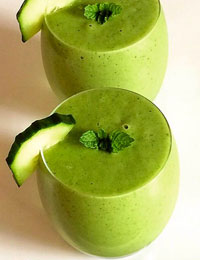
Anti-inflammatory green smoothie
- 1 orange, peeled
- 1 banana
- 2 strawberries
- 2 teaspoons ripe avocado
- juice of 1 lemon
- 1 cup spinach leaves
- 1 cup kale leaves
- 3 fresh mint leaves
- 1 cup filtered water
- 8 ice cubes
Blend all ingredients together and serve immediately.
Katie
www.healthyfood.com
 Achieve your goals
Unlock your ultimate healthy eating toolkit
Get instant access to everything you need to plan, shop and eat well in one place.