Gardening diary: Mid-spring
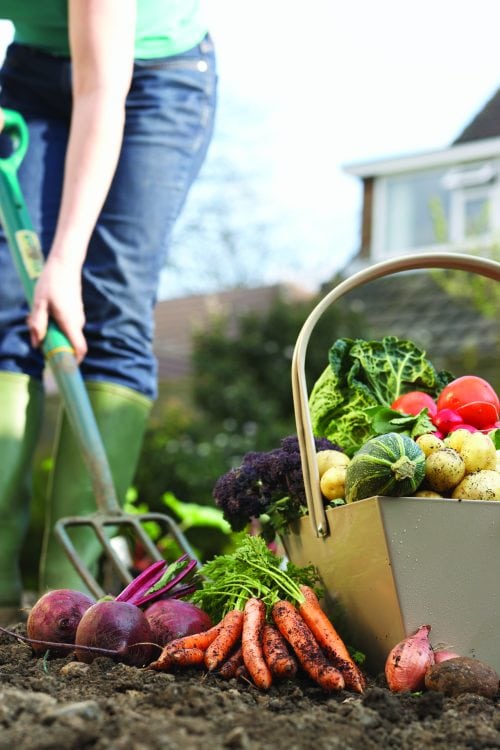
What to do in your garden in mid-spring.
The organic approach
Organic gardening is more than just avoiding herbicides, pesticides and artificial (chemically manufactured) fertilisers. The bottom line for organics is maintaining a balanced environment to create good soil structure over the long term. A good soil structure is high in organic matter (humus — the product of rotted vegetation), beneficial life such as earthworms, bacteria, fungi, vitamins and minerals, all of which enable plants to grow.
In comparison to chemical-based vegetable gardening, small scale organic gardening is:
- Cheaper — chemical sprays and fertilisers are expensive, financially and in the energy cost of production.
- Environmentally benign — chemicals kill all bugs, bacteria and fungi that create and sustain soil.
- Easier — no-dig gardening improves soil quality.
- Less wasteful — unwanted plant material is returned to the soil to become humus, the stuff that retains moisture, improves aeration and provides plant nutrients.
Here’s a simple way to start your journey on the organic highway in October:
Prepare the soil
Layer 2cm of mature compost on top of the soil. Lightly rake compost into the top 2cm of soil to produce a fine, even and crumbly top layer. Well rotted sheep or horse manure is just as good an alternative to compost.
If the soil beneath is hard and compact, insert a garden fork to 30cm then gently rock it back and forth to create air holes in the soil. Don’t dig and turn over the soil (this destroys the delicate ecosystem beneath).
Grow a green manure
Generously sprinkle mustard, alfalfa or red clover seeds over your soil surface and rake these into the top 2cm of soil.
Water lightly but regularly to ensure the soil is moist. Seedlings should sprout within two weeks.
After four to six weeks chop the crop back into the top 5cm of the soil using a spade. This is a quick and easy way to improve soil structure and provide nutrients for your vegetable crop which can be cultivated straight after.
Recycle
After harvest, all unwanted plant material is chopped back into the soil, returning organic matter back to the soil ready for the next planting.
www.healthyfood.com

 Achieve your goals
Unlock your ultimate healthy eating toolkit
Get instant access to everything you need to plan, shop and eat well in one place.