Your complete guide to boosting your gut health
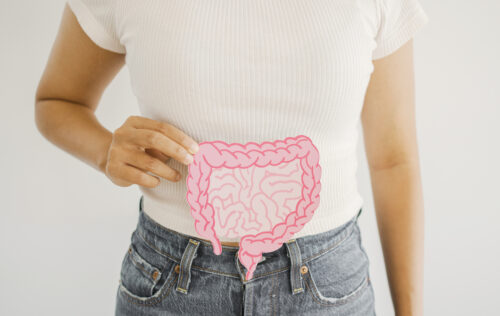
Your gut microbiome influences everything from your immunity and weight to mood, so it’s vital to keep your gut in great health.
What we cover:
- Your gastrointestinal system explained
- What is the gut microbiome?
- What gut bacteria do
- The role of fibre in gut health
- Insoluble fibre
- Soluble fibre
- Resistant starch
- How much fibre do I need?
- Fibre and bowel cancer
- Your high-fibre day on a plate
- Eating 30+ plants a week
- Do I need probiotics?
- What are prebiotics?
- Fermented foods and gut health
- How your gut affects your brain
- Is my gut healthy?
- Antibiotics and gut health
- Saturated fat and the gut microbiome
- Lifestyle habits that can help your gut flora
Your gastrointestinal system explained
Essential for digestion, your gut or gastrointestinal tract makes up a large part of your body: mouth, oesophagus, stomach, small intestine, large intestine, accessory digestive organs (gall bladder, liver and pancreas) and rectum.
The large intestine, or bowel, has the largest number and diversity of gut microbes. These microscopic living organisms, including bacteria, fungi and viruses, are known collectively as the gut microbiome. Bacteria is the most studied of these microbes, and the body actually contains more bacterial cells than human cells with DNA.
While some bacteria can be harmful, most are beneficial, and we need to have a balance of both.
What is the gut microbiome?
There are trillions of live microorganisms (bacteria, fungi and viruses) in your gut, anywhere from 500 to 1500 species, and their combination, or gut microbiome, is as unique to you as your fingerprint. A high level of microbe diversity is considered good for our health, with microbiome composition being influenced by age, lifestyle and what you eat. Your gut environment plays a big role in keeping potentially harmful bacteria in check.
What gut bacteria do
Gut bacteria play a vital role from birth and beyond. Here’s a snapshot of what they do.
- Aid digestion, including breast milk
- Help with the absorption of nutrients, including calcium and magnesium
- Produce important nutrients, such as energy-boosting vitamin B and vitamin K, which is important for blood clotting and osteoporosis prevention
- Produce short-chain fatty acids (SCFAs) that protect and maintain the gut lining
- Metabolise cholesterol and bile acids
- Produce brain chemicals such as serotonin, which influences wellbeing.
- Support immunity.
The role of fibre in gut health
Fibre has the biggest influence on your gut microbiome, increasing the activity, number and overall health of bacteria. Fibre is the indigestible part of plant-based foods that passes through to the large intestine where it can be fermented.
It’s this fermentation process that provides your gut microbiome with many health benefits.
There are three different types of fibre and we need to eat a balance of all three to support a healthy gut microbiome:
Insoluble fibre
This adds bulk and helps push your bowel motion through the bowel. It is slowly and only partially fermented.
Found in:
- Wholegrain flour and bread
- Wholegrain cereals and grains
- Wheat bran and rice bran
- Nuts
- Vegetable and fruit skin
Soluble fibre
This absorbs water and cholesterol, slows digestion and softens your bowel motion. It is highly fermentable.
Found in:
- Oats
- Psyllium husk
- Seeds
- Lentils and other legumes
- Barley
- Vegetable and fruit flesh
Resistant starch
This feeds the good bacteria that live in your bowel. It is completely fermented.
Found in:
- Firm, green slightly unripe bananas
- Beans (red kidney, lima, adzuki, black eyed, chickpeas, lentils)
- Green peas
- Rolled oats (uncooked)
- Barley
- Freekeh
- Cooked and cooled wholemeal pasta
- Cooked and cooled white and brown rice
- Cooked and cooled potatoes (in salads)
- Products that include BARLEYmax™
10 ways to up your intake of resistant starches
- Make overnight oats for breakfast, keeping oats raw leaves the resistant starch intact
- Enjoy bananas when they are slightly under-ripe
- Swap out wheat flour for chickpea or lentil flour
- Boil potatoes, refrigerate, then enjoy cold or reheat however you like
- Stock up on frozen green peas to add to meals easily
- Incorporate more vegies into your breakfast, lunch and dinner
- Eat more cashews, because these have more resistant starch than other nuts
- Thicken soups and stews with barley or red lentils (or both!)
- Make salads using barley as a base
- Include legumes in meals at least four times a week.
How much fibre do I need?
To stay regular, the recommended daily amount of fibre is 25g for women and 30g for men. Most people consuming a Western-style diet don’t eat this much fibre due to a preference for eating refined carbs over wholegrain ones, and relatively low intakes of fruit, veggies and legumes.
Increase your fibre intake gradually to allow time for your digestive system to adapt and therefore avoid bloating, wind or constipation. Add one new high-fibre food to your diet every two or three days and don’t forget to increase your water intake as this will help with digestion.
Fibre and bowel cancer
While we eat roughly the same amount of fibre as other Western populations, bowel cancer is one of the most common cancers diagnosed in Australia and New Zealand.
Research has revealed that we eat a lot of wheat-based products, so it seems we’re getting enough insoluble fibre.
This suggests we should be focusing instead on eating a wider variety of fibres, in particular, more highly fermentable fibres such as soluble fibre and resistant starch.
Resistant starch is called that because it resists digestion in the small intestine and moves on to the large intestine, where it ferments and feeds healthy bacteria. Most importantly, its fermentation produces butyrate, the short-chain fatty acid that protects the bowel wall and reduces your risk of developing bowel cancer. It also supports healthy digestion and optimal immune function.
The CSIRO recommends consuming around 15-20g of resistant starch a day to improve gut health and help reduce the incidence of bowel cancer. This is almost four times the amount found in a typical Western diet!
Your high-fibre day on a plate
Breakfast
1 small banana, ½ cup rolled oats, 2 tsp mixed seeds (linseed or chia, sunflower, pumpkin seeds), ¹⁄³ cup fresh or frozen berries, yoghurt and/or milk of choice.
Lunch
Chicken, vegetable and barley soup or chicken and quinoa salad.
Dinner
Fish with lentils and grilled veggies or chilli con carne.
Snacks
Fresh fruit (banana, apple, peach, berries) and a handful of cashews
Eating 30+ plants a week
Data from the American Gut Study suggest eating 30 or more different plants per week is associated with microbial diversity.
The study also links eating more than 30 diverse plants per week with a reduction in antibiotic-resistant genes.
Thirty plants a week may sound a lot, but it’s actually pretty easy, especially if you follow the Healthy Food Guide way of eating most of the time.
Remember, plant foods aren’t only fruit and vegetables. Anything that mostly comes from a plant counts, including legumes, wholegrain bread, cereals like oats, nuts, seeds, rice, quinoa, pasta and even coffee.
It’s the variety that matters most for our gut health. With many species living in our GI tract, each one has specific foods it likes best. Eating a wide variety help us keep all the different types of good bacteria happy and healthy.
8 smart tips for hitting 30+ plants a week
1. Instead of eating just almonds, go for mixed nuts
2. Buy or create slaw mixes that have multiple shredded veg in them
3. Make or buy seed mixes that you can toast and sprinkle on salads, cereal and soups
4. Eat the rainbow. Aim to have a minimum of three different coloured veg on your plate at every meal
5. Fruit salads and smoothies are a great way to hit your daily fruit targets as well as eating a good variety in one hit. You can also experiment with adding fruit to savoury salads.
6. Buy mixed frozen berries, for more variety at once.
7. Choose canned bean mixes for your salads or chilli bean dishes
8. Look for frozen veg mixes. These are a convenient way to add more colour and variety to dishes and are just as nutritious as fresh veg
9. Enjoy sliced fruit with your breakfast or snacks.
Do I need probiotics?
The balance of microbes in your gut can be upset if you have an infection or are using antibiotics, so your doctor may suggest using a probiotic to help prevent this from happening.
Probiotics are live bacteria commonly found in yoghurt and some other fermented foods, such as sauerkraut, kimchi, kombucha and miso paste.
They are also available as supplements. Probiotic supplements contain specific strains of beneficial bacteria that can offer health benefits when taken in the right amounts. Some strains have been shown to help reduce the risk of antibiotic-associated diarrhoea. However, research suggests that probiotics do not prevent the loss of microbiome diversity caused by antibiotics and, in some cases, they may actually delay the natural recovery of the gut microbiome.
Overall, the best approach is to focus on a gut-friendly eating pattern with plenty of plant-based variety, and consider a probiotic supplement if you’re prone to digestive upset. If you’re unsure which product is right for you, a dietitian can help you decide.
What are prebiotics?
Research suggests that prebiotics may provide more health benefits than probiotics. Prebiotics are the fibre component of foods that boost the growth and activity of healthy bacteria. Some good food sources of prebiotics include artichokes, asparagus, apples, leeks, onion, garlic, barley and oats.
Fermented foods and gut health
Fermented foods are essentially those that have been through a process of fermentation, in which microorganisms, such as yeast and bacteria, break down the sugars and other components in the food, creating beneficial compounds such as probiotics, enzymes, and organic acids. This process increases the shelf life of food and can also enhance its flavour, texture and appearance. Fermentation has been used for centuries as a natural means of preserving food, long before refrigeration and chemical additives were invented.
Fermented foods can be rich in their own bacteria or have a ‘starter’ culture of bacteria or yeast added. Over a few days or weeks, the bacteria and yeast feed on the carbohydrates, turning them into acids and gas. The bacteria and yeast multiply in numbers and the final product can be teeming with healthy bacteria or yeast.
This makes some fermented foods a potential source of probiotics. Probiotic-containing fermented foods are seen as a way to manipulate your gut’s eco-system — so that ‘good’ bacteria can help improve the overall balance of bacteria in your gut and boost your health. To ensure you’re getting the most out of your fermented foods, it’s best to look for raw or untreated options. Keep in mind that consuming probiotics regularly and in adequate amounts is key to reaping their health benefits. That’s why we recommend incorporating a variety of fermented foods into your diet, such as kimchi, yoghurt, kefir and tempeh, to help support your gut health.
Additionally, fermented foods may help protect the physical strength of the lining of our digestive tract. This helps stop unwanted toxins getting through the bowel wall into our bloodstream. It also appears fermented food may reduce our risk of bowel cancer. And symptoms of IBS including unwanted bloating, wind, bowel cramps and bowel movements can all improve.
How your gut affects your brain
The link between the gut and brain health isn’t new. Research has shown gut health affects mood, and that there’s a link between specific gut bacteria and a lower risk of anxiety, stress-related symptoms and depression. One reason is that the gut, which is home to hundreds of millions of neurons and about 25 neurotransmitters, sends messages to the brain.
Until now, most of the focus on the gut-health/brain-health connection has centred on the 1.5kg of bacteria that live in your gut — and for good reason. As well as being able to send messages to the brain all on their own, Bacteria also play a role in the production of your gut’s neurotransmitters to the brain.
However, new research by Melbourne’s RMIT University has revealed there’s a brand new connection between your digestive system and your brain’s health. It’s called gut mucus, and looking after it might help protect you against some serious, yet common, neurodegenerative diseases.
Research into inflammation and compromised gut mucus has associated it with diseases such as Alzheimer’s, Parkinson’s and multiple sclerosis. One explanation is that inflammation damages the blood/brain barrier — the brain’s defence against disease causing bugs and toxins that might be circulating in the blood.
Associate Professor Hill-Yardin says the RMIT-based research, as well as focusing attention on reducing the risk of these brain diseases, also shines new light on something else.
“It’s a new gut-brain connection that opens up fresh avenues for scientists to explore, as we search for ways to better treat disorders of the brain, by targeting our ‘second brain’ — the gut.”
Feed your gut and protect your brain
With your gut’s bacteria and mucus lining both playing a key role in brain health, it pays to do what you can to look after them. Luckily, that can be as simple as putting fibre-rich, colourful and fermented foods on your plate — and it turns out both gut bacteria and mucus have similar food ‘tastes’.
Bacteria and mucus work closely together. In fact, bacteria can make or break just how healthy your gut mucus is; likewise, gut mucus kills certain types of bacteria, while acting as a valuable food source for other varieties.
Is my gut healthy?
One of the easiest ways to tell whether your gut is functioning effectively is through the absence of uncomfortable or painful gut-related symptoms. While producing gas is a normal part of digestion, ongoing or consistent excess gas is a sign your gut is not working optimally. So, too, is bloating, cramping, diarrhoea and constipation.
If you’re experiencing any of these symptoms, make an appointment to get checked out by your GP before you make changes to your diet. If all the tests come back negative, you may have irritable bowel syndrome (IBS) and be referred to a qualified dietitian to help manage symptoms.
5 signs you need to reset your gut health
There isn’t one specific measure or test you can take to assess your gut health, but there are some signs to look out for:
- Digestive symptoms such as bloating, heartburn, constipation or diarrhoea
- Sleep disturbance including trouble falling asleep or staying asleep
- Fatigue or lower than usual energy levels
- Periods of high stress, low mood or anxiety
- Frequent infections and illnesses that are persistent or hard to shake.
Antibiotics and gut health
Antibiotics can negatively affect the balance of bacteria in your gut, but there are definitely ways to support your gut health during and after a course. One of the best things you can do is eat more fibre-rich plant foods. Fibre is fuel for your good gut bacteria, so aim to include a wide variety of fruits, vegetables, whole grains and legumes like lentils and chickpeas, as well as nuts and seeds. The more diverse your plant foods, the better, as this helps feed a wider range of beneficial microbes.
Fermented foods can also be a helpful addition if you enjoy them and tolerate them well. While not essential, they can complement a fibre-rich diet nicely.
Saturated fat and your gut microbiome
Not only does research show diets high in saturated fat have a negative effect on the richness and diversity of gut bacteria, but studies also show swapping saturated fat-rich foods for those high in polyunsaturated fats increases the abundance of bacteria called Lachnospiraceae, which produce short-chain fatty acids and may help to lower cholesterol levels. Good sources of polyunsaturated fats include walnuts, sunflower seeds, flaxseeds and fish.
Lifestyle habits that can help your gut flora
What you eat plays the biggest role in supporting the health and diversity of the all-important bacteria that live in your gut, but there are at least four other things you can do.
- Do some exercise: Research suggests regular physical activity increases the volume of healthy gut bacteria, while helping to reduce levels of less-healthy varieties.
- Limit alcohol: Alcohol is a dietary disruptor of your microbiota. Research is still in its early stages, but sticking to recommended alcohol limits is advisable.
- Prioritise sleep: The ratio of healthy-to-unhealthy bacteria living in your gut can become disrupted quickly when you have a few nights of poor or inadequate sleep in a row.
- Practise mindfulness: It’s a habit that’s been linked to a big improvement in gut-bacteria diversity. For guidance, check out Smiling Mind, a free mindfulness app that encourages daily 10-minute mindfulness sessions.
Bottom line
A healthy, varied gut microbiome is associated with better physical and mental health. Supporting your gut flora requires getting enough fibre and eating a wide variety of plants, while limiting saturated fat. Lifestyle habits that contribute to a healthy gut microbiome include getting enough sleep, regular exercise, managing stress and limiting alcohol.
Want more about boosting your gut health? Check out these related articles:
Article sources and references
- Eun Kyoung Kim, et al. Fermented kimchi reduces body weight and improves metabolic parameters in overweight and obese patients. Nutr Res . 2011 Jun;31(6):436-43. doi: 10.1016/j.nutres.2011.05.011. https://pubmed.ncbi.nlm.nih.gov/21745625/
- Raak C et al. 2014. Regular consumption of sauerkraut and its effect on human health: a bibliometric analysis. Global Advances in Health and Medicine 3:12-8 https://www.ncbi.nlm.nih.gov/pubmed/25568828
- Aoun A. 2020. The influence of the gut microbiome on obesity in adults and the role of probiotics, and synbiotics for weight loss. Prev Nutr Food Sci. Jun 30; 25(2). https://www.ncbi.nlm.nih.gov/pmc/articles/PMC7333005/
- Deakin University. Food & Mood Centre. Accessed March 2023. https://www.foodandmoodcentre.com.au
- Deakin University. World-first trial shows improving diet can treat major depression. Accessed March 2023. https://www.deakin.edu.au
- Berding K, Staudacher HM. 2022. Psychobiotics: feeding the gut to nurture the brain. The Lancet. May, Vol 7 (5):393. https://www.thelancet.com/journals/langas/article/PIIS2468-1253(22)00097-8/fulltext
- Eureka Alert. 2018. New study reveals that low-calorie sweeteners disrupt the gut bacteria in healthy people in association with impaired blood sugar control. Accessed March 2023. https://www.eurekalert.org
- Harvard School of Public Health. Ask the expert: legumes and resistant starch. Accessed March 2023.https://www.hsph.harvard.edu
- Monash University. Prebiotic diet – FAQs. Accessed March 2023. https://www.monash.edu
- ScienceDaily. 2018. Endurance exercise training has beneficial effects on gut microbiota composition. Accessed March 2023. https://www.sciencedaily.com
- Baker Institute. 2020. Dietary Fibre factsheet. Accessed December 2020 https://www.baker.edu.au/-/media/documents/fact-sheets/baker-institute-factsheet-dietary-fibre.pdf
- CSIRO. 2020. Resistant starch facts. Accessed December 2020 https://www.csiro.au/en/research/health-medical/nutrition/resistant-starch
- Dai et al. 2013. Probiotics and irritable bowel syndrome. World J Gast. 19(36): 5973-80. https://pubmed.ncbi.nlm.nih.gov/24106397/
- Fayet-Moore et al. 2018. Dietary Fibre Intake in Australia. Associations with Demographic, Socio-Economic, and Anthropometric Factors. Nutr 10(5): 599. https://www.ncbi.nlm.nih.gov/pmc/articles/PMC5986479/
- Harper et al. 2018. The role of bacteria, probiotics and diet in irritable bowel syndrome. Foods. 7(2): 13. https://pubmed.ncbi.nlm.nih.gov/29373532/
- Jacka et al. 2017. A randomised controlled trial of dietary improvement for adults with major depression. BMC Med. 15(1): 23. https://bmcmedicine.biomedcentral.com/articles/10.1186/s12916-017-0791-y
- Kelesidis T & Pothoulakis C. 2012. Efficacy and safety of the probiotic Saccharomyces boulardii for the prevention and therapy of gastrointestinal disorders. Ther Adv Gast. 5(2): 111-125. https://www.ncbi.nlm.nih.gov/pmc/articles/PMC3296087/
- McDonald et al. 2018. American gut: an open platform for citizen science microbiome research. mSystems. doi: 10.1128/mSystems.00031-18. https://msystems.asm.org/content/3/3/e00031-18
- Harvard Health Publishing. (2018, March). Fermented foods for better gut health. https://www.health.harvard.edu/blog/fermented-foods-for-better-gut-health-2018051613841
- Cleveland Clinic. (2020, February). 5 Reasons to Add More Fermented Foods to Your Diet https://health.clevelandclinic.org/5-reasons-you-should-add-more-fermented-foods-to-your-diet-infographic/
- Healthline. (2020, Aug). What Is Fermentation? The Lowdown on Fermented Foods https://www.healthline.com/nutrition/fermentation
- Medical News Today. (2021, April). Health benefits of fermented foods https://www.medicalnewstoday.com/articles/323490
- International Journal of Molecular Sciences. (2014, April). Fermented foods as a dietary source of live organisms. https://www.ncbi.nlm.nih.gov/pmc/articles/PMC4006993/
www.healthyfood.com

 Achieve your goals
Unlock your ultimate healthy eating toolkit
Get instant access to everything you need to plan, shop and eat well in one place.