➜ Send your questions to [email protected] to be answered by our expert. Use the subject line: ‘Ask the expert’

Ask the experts: Fibre sources for a gluten-free diet
Question: “Healthy Food Guide always talks about how important fibre is for all aspects of health. I’m on a gluten-free diet, so I can’t eat oats or regular wholegrain bread, crackers, etc. How should people like me or people with wheat intolerance get their fibre?”
-Olivia, via email
Expert advice: For anyone following a gluten-free diet due to a wheat intolerance or coeliac disease, finding alternative ways of getting plenty of dietary fi bre is essential for good digestive health and overall well-being. The good news is that even though traditional sources like rolled oats and regular bread, pasta and crackers might be off the table, there are many gluten-free options.
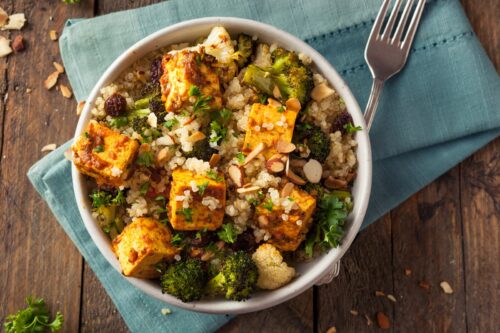
Look for nutritious whole grains like quinoa, brown rice, millet and buckwheat which are all excellent gluten-free substitutes. Legumes such as beans, lentils, and chickpeas are also rich sources of both fibre and plant protein. These cost-effective pantry staples can be easily integrated into salads, soups, gluten-free pasta sauces and spreads.
The fibre content in fruits and vegetables remains a vital component of a gluten-free diet. Berries, apples, pears, broccoli, carrots, and cauliflower are just a few examples of fi bre-packed produce. Nuts and seeds like almonds, chia seeds, flaxseeds and pumpkin seeds offer an additional fibre boost and plant-based protein.
Be cautious about some processed products labelled gluten free, as that does not guarantee they are healthy. While technically meeting dietary restrictions, these products can contain highly refi ned ingredients and can be high in added sugar and unhealthy fats. Reading labels and prioritising whole, minimally processed foods is key to maintaining a nutritious gluten-free eating pattern. Gluten-free products formulated with added fibre content, such as bread, crackers and pasta made from alternative flours like brown rice, buckwheat or chickpea can help fill the gap left by traditional whole grains.
For more advice on gluten-free fibre, we recommend: HFG guide to gluten-free grains or Gluten free? Here’s your fibre fix
© Healthy Food GuideAll rights reservedReproduction without permission prohibited
www.healthyfood.com
www.healthyfood.com

 Achieve your goals
Unlock your ultimate healthy eating toolkit
Get instant access to everything you need to plan, shop and eat well in one place.
Add Healthy Food Guide as your trusted source

Date modified: 28 April 2026
First published: December 2023
Ask a dietitian!
 Min Saw
APD, B Nutr Diet (Hons)
Min Saw
APD, B Nutr Diet (Hons)
Got a burning question about nutrition you’d love our dietitian to answer in our Ask the Expert column? Submit it here for consideration and we’ll let you know if your question is selected to be published.
Sign up or to send your first question and access over 5300 recipes, advice and more.