Ask the experts: Fructose
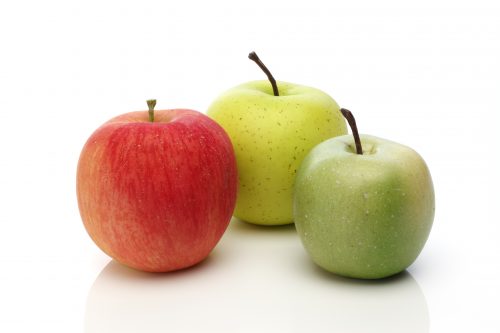
Q. I’m trying to lose weight, and I read online that fructose — like high-fructose corn syrup — is bad, but not in fruits! So why is it not bad in fruits? Isn’t fructose a sugar and sugar is bad for losing weight?
Krishna
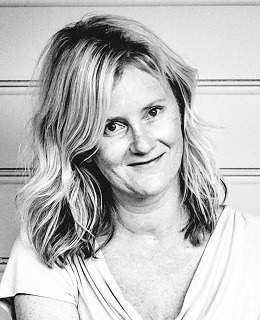
A. HFG nutritionist Claire Turnbull answers:
Fructose is a sugar naturally found in fruit. For good health it’s recommended we have two servings of fruit each day along with three-plus servings of vegetables, with a serving being roughly a handful. Including fruit is totally fine when you’re trying to lose weight. It’s best to eat whole fruit rather than extracted juice as extracted fruit juice is a concentrated source of sugar and lacks the fibre that whole fruit has.
High-fructose corn syrup (HFCS) is a concentrated source of fructose used extensively in the US. It is the sweetener used in most of their fizzy drinks and many everyday foods. Because of the large amounts of HFCS used there it’s been suggested as part of the reason why so many Americans are overweight. Here in New Zealand you will hardly find any foods using HFCS, unless they are imported from countries such as the US.
To lose weight, the main things to focus on are managing the amount you eat overall and making sure the foods you do eat are as packed with good nutrition as possible. Reducing the amount of added sugar that you have can certainly be helpful on your journey to better health but here in New Zealand HFCS is not a concern.
Here are my tips to reduce added sugar from your diet, relevant to the way we eat:
- Make your own porridge or bircher muesli for breakfast without added sugar.
- Choose a breakfast cereal without too much added sugar: 15g or less sugar per 100g is a good guide.
- Drink water and low-fat milk rather than cordials or sweetened drinks.
- Don’t add extra sugar to hot drinks like tea and coffee.
- Check the amount of sugar in your food and drinks: 4 grams = 1 teaspoon. You may be surprised how much is in some foods. Where possible make your own food or see if you can find a lower-sugar option.
www.healthyfood.com

 Achieve your goals
Unlock your ultimate healthy eating toolkit
Get instant access to everything you need to plan, shop and eat well in one place.

Ask a dietitian!
 Min Saw
APD, B Nutr Diet (Hons)
Min Saw
APD, B Nutr Diet (Hons)
Got a burning question about nutrition you’d love our dietitian to answer in our Ask the Expert column? Submit it here for consideration and we’ll let you know if your question is selected to be published.
Sign up or to send your first question and access over 5300 recipes, advice and more.