Ask the experts: Mercury in fish
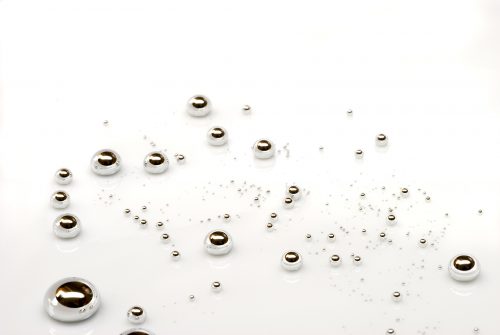
Q. “How much tuna can you eat before there is a risk from too much mercury?”
JaneA. Dietitian Amanda Johnson responds:
Fish is a healthy food and a great source of protein, along with some vitamins and minerals. It is low in saturated fat and provides the important omega-3 fatty acids, which are required for the development of the foetus in the womb of pregnant women, and may help protect against problems such as heart disease. It is certainly a highly nutritious food, and one that we should be including regularly in our diet in New Zealand.
There have been concerns expressed about the level of mercury in some types of fish – at high levels of exposure mercury can be harmful to the nervous system. For most of us in New Zealand, though, exposure to mercury does not occur at a level high enough to be a concern and the body does excrete mercury over time so accumulation is not a problem.
However, pregnant women are advised to moderate the amount of some types of fish that they eat, as the developing foetus can be sensitive to the effects of mercury. It tends to be the larger fish that have lived longer that are cause for concern, so as a precautionary measure, anyone who is pregnant is advised to moderate their intake of albacore tuna, gemfish, orange roughy, ling, skate, kahawai, groper, bluenose, ghost sharks, oreo dories, red cod, ribaldo and rig (spotted dogfish or lemonfish). As a general guide, pregnant women should have no more than three to four 150g servings a week of these types of fish.
If pregnant, it’s advised that intake of fish such as shark, swordfish, cardinal fish, dogfish (apart from rig) and marlin is limited to once a week or once a fortnight, or avoided altogether if other types of seafood are being eaten. Pregnant women should also limit their intake of oysters and queen scallops as these may have high cadmium concentrations.
More information on the recommended weekly servings of a variety of fish is given on the New Zealand Food Safety Authority website.
www.healthyfood.com

 Achieve your goals
Unlock your ultimate healthy eating toolkit
Get instant access to everything you need to plan, shop and eat well in one place.

Ask a dietitian!
 Min Saw
APD, B Nutr Diet (Hons)
Min Saw
APD, B Nutr Diet (Hons)
Got a burning question about nutrition you’d love our dietitian to answer in our Ask the Expert column? Submit it here for consideration and we’ll let you know if your question is selected to be published.
Sign up or to send your first question and access over 5300 recipes, advice and more.