Ask the experts: Potassium for heart health
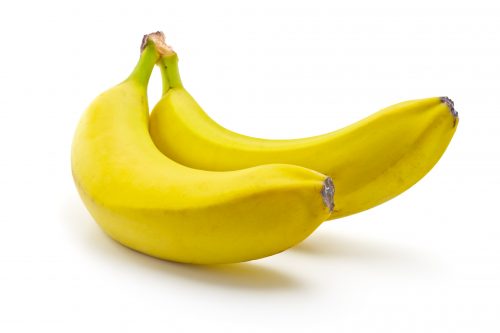
Q: "I have recently learned that as well as reducing sodium for blood pressure and heart health, we should be increasing our intake of potassium. The recommended dietary intake (RDI)of 3500mg potassium per day sounds like an awful lot of bananas and potatoes."
NgaireA: Nutritionist Amanda Johnson responds:
"Assuming your blood pressure is high, you're right, reducing blood pressure through dietary means is about much more than just reducing sodium intake. Although a reduction in sodium is important, research carried out in the 1990s by the National Heart, Lung and Blood Institute in the USA established that what they called a DASH (Dietary Approach to Stop Hypertension) eating plan was particularly effective in lowering blood pressure.
The DASH diet involves eating foods that are low in total fat, saturated fats and cholesterol, and including plenty of fruits, vegetables and low-fat dairy products. Also included are whole grain products, fish, poultry and nuts. It is a dietary pattern rich in potassium, magnesium, protein and fibre.
If you'd like to have a go at following the DASH eating plan, you'll need to aim for 6-8 servings a day of whole grain foods, 4-5 servings of fruit, 4-5 servings of vegetables, 4-5 servings of nuts, seeds or legumes, and 2-3 servings of low-fat dairy products. Sodium intake should also be low, so avoid adding salt to food.
The recommended intake for potassium in New Zealand is 2800mg per day for women and 3800mg per day for men. The best sources of potassium are leafy green vegetables, tomatoes, cucumber, eggplant, pumpkin and root vegetables. Other foods providing potassium include bananas, oranges, apples, beans, peas, milk, yogurt and meat.
By following the DASH diet you should find your potassium intake is more than adequate. It may be a challenge to eat such a high level of fruits and vegetables, but by including these foods regularly throughout the day as snacks, with main meals and for dessert, it should be achievable. If your current intake of fruit and vegetables is low, make changes to your diet gradually.
For anyone with high blood pressure, it's also a good idea to maintain a healthy body weight, avoid excess intakes of alcohol, avoid smoking and take regular exercise. If you have been prescribed medication by your GP, this should also be taken as recommended."
www.healthyfood.com

 Achieve your goals
Unlock your ultimate healthy eating toolkit
Get instant access to everything you need to plan, shop and eat well in one place.

Ask a dietitian!
 Min Saw
APD, B Nutr Diet (Hons)
Min Saw
APD, B Nutr Diet (Hons)
Got a burning question about nutrition you’d love our dietitian to answer in our Ask the Expert column? Submit it here for consideration and we’ll let you know if your question is selected to be published.
Sign up or to send your first question and access over 5300 recipes, advice and more.