Try something new: Figs
In summary
- Figs provide fibre along with small amounts of carotenoids, vitamin C and other nutrients.
- Several varieties ripen here from summer to autumn, with flavours ranging from delicate to sweet and honey-like.
- In the kitchen, figs can be eaten fresh, roasted, poached or used in baking in place of plums or rhubarb.
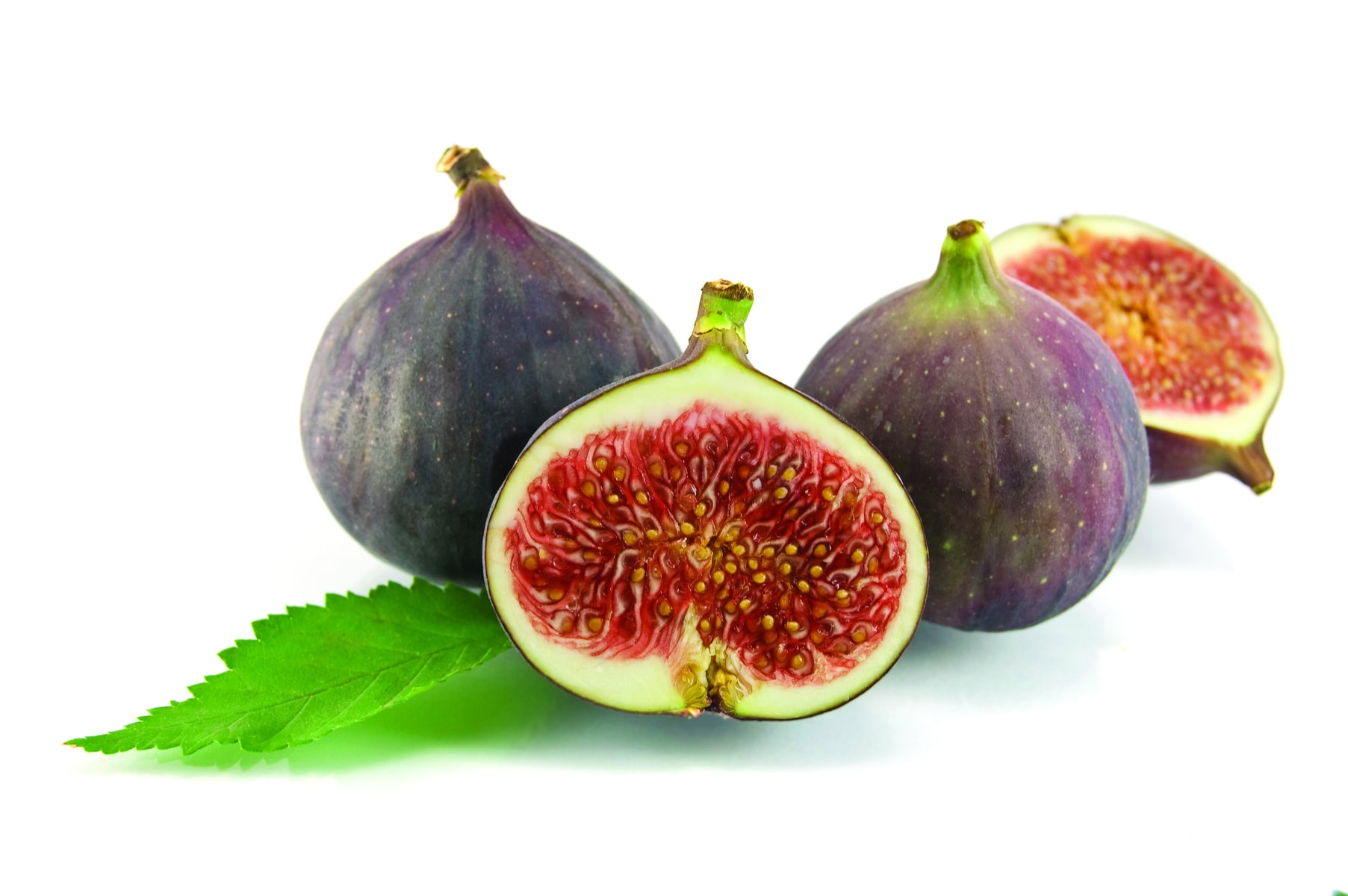
Figs are a good source of fibre and contain small amounts of carotenoids, vitamin C and other nutrients.
They’re so common around Mediterranean countries they have been referred to as poor man’s food. Unfortunately, that’s not the case here but if you haven’t tried them you’ve a treat in store.
Figs ripen from summer to autumn and are available at farmer’s markets and fruit stores.
There are several varieties grown here with flavours ranging from delicate to sweet and honey-like, with the insides coloured from pale pink/brown to crimson and amber in colour. Choose plump figs that are ripe but not mushy.
In the kitchen
- Eat fresh: Both the skin and seed pulp are edible, just leave the stalk at the stop.
- Roast: Cut figs in half and slow roast them with a little balsamic vinegar to top a salad. Or roast with brown sugar and orange juice to serve with vanilla ice cream or yoghurt as a dessert.
- Poach: Use red wine, vinegar and sugar syrup with lemon peel, black peppercorns and star anise to serve with game meats or roast duck.
- In baking: Use just as you would plums or rhubarb in cakes and tarts.
© Healthy Food GuideAll rights reservedReproduction without permission prohibited
www.healthyfood.com
www.healthyfood.com

 Achieve your goals
Unlock your ultimate healthy eating toolkit
Get instant access to everything you need to plan, shop and eat well in one place.
Add Healthy Food Guide as your trusted source

Date modified: 21 October 2026
First published: Jan 1970