Guide to orange juice
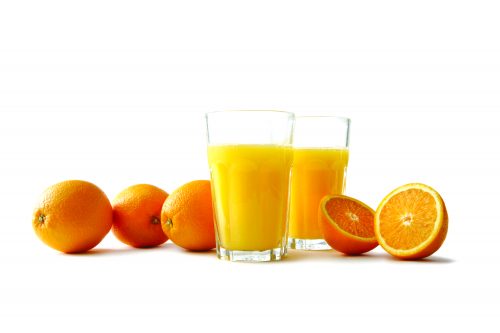
You know OJ is a great source of vitamin C, but can you have too much of a good thing? HFG senior nutritionist Rose Carr has the answer.
There’s nothing quite like the taste of freshly squeezed orange juice. Fortunately, for those who have no time to prepare fresh juice in the morning, there are a number of packaged alternatives.
What’s in that glass?
Commercially available orange juice is available in both chilled and shelf-stable varieties — with asceptic or sterile packaging eliminating the need for refrigeration before opening. It’s important to remember once packaged juice is opened, it must be kept in the fridge and it is recommended to use it within four to five days.
Commercially prepared juices can be made from freshly squeezed oranges, or reconstituted juice where the water component has been removed and then added back before packaging. As vitamin C is lost in this process, this is added back as well. While the nutritional profile of reconstituted and freshly packaged orange juice is similar, reconstituted juice may taste less ‘fresh’ due to the way it is processed.
Nutrient composition
Orange juice is packed with vitamins, minerals and a healthy dose of antioxidants, thanks to its high vitamin C content along with a range of phytochemicals. It also contains little or no fat, protein or sodium.
What to look for
By far the biggest factor to keep a close eye on is serving size. Most manufacturers have a standard serve of 250ml, which provides around 400-450kJ, depending on the brand. Note some have a serving size of 200ml, so when comparing brands, the ‘per 100ml’ column is safest. Our advice? Pour yourself a 125ml serve — that’s half a cup — and top up with tap or soda water.
The second most important factor is added sugars. With three teaspoons of naturally-occurring sugar per 125ml serve, there is simply no reason for any additional sugar.
As with many other foods, orange juice manufacturers may add other nutrients to their products to provide additional health benefits. These nutrients — such as folate, vitamin C, beta-carotene and calcium — are essential to good health so fortified juice may be a good way to top up your reserves.
While a glass of orange juice is a delicious option, a piece of fresh fruit is always a better choice. One fresh orange provides almost five times the fibre and greater amounts of other essential nutrients than a glass of OJ.
Size makes a difference
While one 250ml glass of fruit juice can count as one of the recommended five plus serves of vegetables and fruit a day, for most people a smaller serving size (125ml or 1/2 cup) is recommended as this provides roughly the same amount of kilojoules as a piece of fruit.
When serving juice to children, it’s a good idea to dilute it with water and encourage drinking juice with meals rather than in-between.
Did you know? It takes 1 1/2 oranges to make 125ml orange juice.
www.healthyfood.com

 Achieve your goals
Unlock your ultimate healthy eating toolkit
Get instant access to everything you need to plan, shop and eat well in one place.