Managing IBS: A step-by-step guide to gut comfort
In summary
- IBS affects around 15 per cent of the population worldwide but symptoms vary between individuals and can be difficult to diagnose and treat.
- Seeing your GP first is essential, as symptoms can mimic conditions such as coeliac disease, bowel cancer and endometriosis, which need to be ruled out.
- A low-FODMAP diet, guided by a specialist dietitian, is recognised internationally as the first line of dietary therapy for managing IBS symptoms.
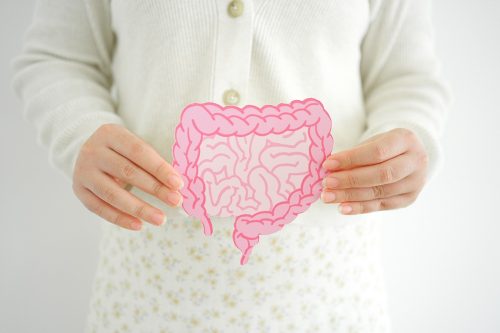
Irritable bowel syndrome (IBS) is the most common gastro-intestinal disorder, thought to affect around 15 per cent of the population worldwide. But the type, number and severity of symptoms and triggers of IBS can vary greatly between individuals — making it difficult to diagnose and, therefore, treat.
If you’re concerned you may have IBS, or if you are confused about how to manage it if you have already been diagnosed, read on for our comprehensive step-by-step guide to the action you need to take: from getting diagnosed, to altering your diet and addressing any problems.
On this page
- What is irritable bowel syndrome?
- Common IBS symptoms
- How common is IBS?
- What to do first
- Why did I get IBS?
- Managing stress for gut comfort
- The most common dietary triggers
- High FODMAP foods to watch
- Medications and supplements
- FAQs
What is Irritable Bowel Syndrome?
Irritable bowel syndrome is a ‘functional gastrointestinal disorder’. This means it causes changes in the function of the gut but doesn’t have any features such as ulcers, inflammation, thickening of digestive tissues, lumps and bumps or abnormal blood tests – all of which would indicate a different condition.
The diagnosis of IBS relies upon the types of symptoms experienced and their context, such as how long they’ve been experienced and when they occur.
The symptoms of IBS can be similar to other conditions, such as coeliac disease, inflammatory bowel disease, ulcers, ovarian cancer, bowel cancer and endometriosis. Before starting any treatment for IBS it’s critical to see your doctor and have these conditions ruled out.
Common IBS symptoms
Sufferers can experience a broad range of symptoms, including:
- Abdominal pain and discomfort
- Bloating
- Changes in bowel habits (ie, constipation and/or diarrhoea)
- Heartburn
- Nausea
- Distension
- Excessive wind
- A noisy abdomen
- Pain in the rectum
- Unsatisfied defecation (incomplete emptying)
- Passage of slimy mucus into the toilet bowl
How common is IBS?
If you suspect you have IBS, it is worth investigating. IBS accounts for around five per cent or more of GP visits, globally, and for 20-50 per cent of referrals to gut specialists (gastroenterologists).
It is estimated that more women than men are affected in a 2:1 ratio, and about half of those with IBS are under 35 years old.
It has also been estimated that about 30 per cent of IBS sufferers take sick leave, with 50 per cent of these absent from work for more than two weeks in a year. In a nutshell, this common disorder is a substantial source of ill-health in the community.
What to do first
1. See your doctor
If you have any of the common IBS symptoms (see above) on a regular basis, you need to discuss them with your GP — don’t ignore them. Also, don’t self-diagnose and assume you have IBS as it could be something more serious.
Your GP will ask about ‘red flags’ (ie, concerning symptoms) including blood in the stools, unexplained weight-loss of 5kg or more, symptoms that wake you up in the night, family history of bowel cancer, and if you were over the age of 50 when symptoms began.
Based on your symptoms, your GP may rule out conditions such as bowel cancer, coeliac disease, Crohn’s disease, ulcerative colitis and gynaecological issues (including endometriosis and ovarian cancer). Your GP may also refer you on to a gastroenterologist for further investigation. If there is no other cause identified for your symptoms, it is then likely you have IBS.
2. See a dietitian
Many people who suspect they have IBS will start to change their diet in an effort to control their symptoms. If you suspect food is a culprit, we recommend that you consult with a dietitian first, as you may end up cutting out more than you need to, which could lead to you missing out on vital nutrients in your diet. A dietitian can help you replace foods you need to limit with other nutritious foods, to ensure your diet is balanced and nutritionally adequate.
Cutting out foods without consulting a professional can also complicate a diagnosis. For example, many people suspect wheat causes their symptoms so they cut it out. But, as most people with symptoms of IBS need to be investigated for coeliac disease, it’s important you are still eating gluten (found in wheat, rye, barley, oats and foods made from these) when you are being tested, otherwise the results will be inaccurate.
If you have already removed gluten from your diet then you need to tell your doctor, who will recommend you eat foods containing gluten again before you are tested for coeliac disease.
3. Consider having hydrogen/methane breath tests done
Breath tests to identify sugar malabsorption (eg, lactose, fructose, sorbitol) can be very useful to help indicate dietary triggers for your IBS. Breath tests are not essential but can be very useful to assist in refining the dietary advice your dietitian recommends.
Why did I get IBS?
How and why people get IBS is unknown. What is known, though, is that it is a chronic disorder and symptoms can vary in frequency and severity.
There are many potential triggers for IBS. These include diet, anxiety or stress, the efficiency of your gut and some medications and herbal supplements. Your GP or dietitian can help you to figure out what your triggers are and to come up with ways of managing them. This is another reason it is so important to consult an appropriately qualified professional rather than trying to diagnose yourself.
One feature of IBS is something called ‘visceral hypersensitivity’. This means the nerve endings that surround the large bowel are very sensitive to things like gas production. Normally, our nerve endings aren’t bothered by some gas production. But, in people with IBS, who can produce more gas (eg, via fermentation of types of short-chain carbohydrates and sugar alcohols called FODMAPs), the nerve endings have a lower threshold of what they will tolerate before they are aggravated. These very sensitive nerve endings then tell the brain that they are not happy and the brain can respond by further increasing symptoms. The communication between the brain and the bowels is called the gut-brain axis, and the chatter that goes on between the gut and the brain is altered and exaggerated in people with IBS.
Managing stress for gut comfort
If anxiety and stress are major triggers for your IBS, you could talk to your healthcare professional about stress management techniques. Some research has found hypnotherapy can be useful as it targets improving the subconscious gut-brain axis chatter that is impaired in people with IBS.
Additionally, stress is something that can make IBS symptoms worse, so it’s worth trying to manage. Include relaxing activities, such as meditating, reading, exercise or listening to music, in your daily routine and ensure you get enough sleep (about seven to nine hours each night for adults).
The most common dietary triggers
It makes sense to have a look at what and how you are eating. Do you eat hurried, stress-filled meals where you only have three minutes for lunch before you have to attend to your next task? Do you skip meals? Then try to establish a regular eating pattern. If you are consuming too many cups of coffee, too many rich greasy meals and too much alcohol, it is wise to cut back. Moderation is key.
The same goes for fibre – enough is important but too much can also cause you grief. The recommended fibre intake for men is 30-38g per day, and 25-28g per day for women. Choose foods that contain both soluble fibre (eg, fruits, vegetables, oat bran, linseed/flaxseed, psyllium) and insoluble fibre (eg, nuts, seeds, wholegrain foods and popcorn). Also, drink plenty of fluid – preferably water – and limit fruit juice or carbonated drinks.
If you already follow a fairly healthy eating plan, it is still likely your diet plays a role in your IBS. Dietary triggers are usually the most common for IBS and include:
- FODMAPs (Fermentable oligosaccharides, disaccharides, monosaccharides and polyols) — the most common dietary trigger. FODMAPs are sugars found in foods that provide ‘fast food’ for bacteria. They cause the bowel to distend by drawing in more fluid and rapidly generating gas when they are fermented by bacteria in the bowel. Breath tests may assist to see if they are a problem for you.
- Food chemicals (eg, salicylates, amines, glutamates) found in many commonly eaten foods).
- Fat in excess (more than 30 per cent of your total daily energy intake).
- Alcohol in excess (more than two standard drinks a day for most people).
- Caffeine in excess (in caffeine-sensitive people).
- Fibre–too much or too little.
The word ‘FODMAP’ stands for:
- Fermentable: Eaten by bacteria to produce gases and heat
- Oligosaccharides: Complex carbohydrates (fibres)
- Disaccharides: Milk sugars
- Monosaccharide: Simple sugars
- And Polyols: Another food bacteria like
Foods high in FODMAP carbohydrates can cause the bowel to swell by drawing in more fluid and producing excess gas when they are fermented by the bacteria found in the digestive system. This causes the symptoms of bloating, abdominal pain and change in bowel habits.
If you know food contributes to your symptoms, you are not alone. Seventy per cent of patients in a Scandinavian study reported they had IBS symptoms related to food. This is why it’s recommended to consult with a dietitian for advice about which foods to limit and which foods to use as alternatives to assist in minimising your symptoms.
In a study performed in Melbourne, 72 per cent of patients with IBS who were taught about a low-FODMAP diet significantly improved their symptoms. A low-FODMAP diet is now recognised internationally as the first line of dietary therapy for IBS. If you notice wheat makes you feel bloated but you don’t have coeliac disease, then perhaps a low-FODMAP diet will help. A low-FODMAP is a restrictive medical diet that includes elimination phases to identify food triggers, followed by reintroduction of safe foods, to ensure you aren’t unnecessarily restricting foods. A dietitian who specialises in gastrointestinal nutrition will be able to discuss with you whether a low-FODMAP diet is appropriate for you.
Common foods that may trigger IBS
The most common FODMAP triggers that can cause symptoms in some people with IBS are listed below, with the type of FODMAP listed in brackets next to it.
- Apples (excess fructose and polyols)
- Artificial sweeteners (polyols including sorbitol, mannitol, xylitol, maltitol)
- Wheat (fructans) — but don’t exclude it until coeliac disease has been investigated
- Milk (lactose)
- Legumes, lentils, chickpeas (fructans and GOS — galacto-oligosaccharides)
- Stone fruit (polyols)
- Leeks (fructans)
- High fructose corn syrup (excess fructose)
- Garlic — in large amounts (fructans)
- Onions (fructans)
Medications and supplements
Some medications may cause gastrointestinal symptoms. For example, many cough syrups contain sorbitol – a type of FODMAP. If your medications cause you gut symptoms, speak to your doctor and request an alternative drug with a similar function that is unlikely to cause symptoms.
Many herbal supplements and naturopathic tonics contain components of unusual origin and details of these are often not provided when they are prescribed. If you suspect any that you are taking may cause gastrointestinal symptoms, speak to your doctor to request an alternative.
Top 10 things to do if you suspect you have IBS
- Get a proper diagnosis–it could be something else, so you need a qualified healthcare professional to investigate. Also, don’t ignore your symptoms and hope they will go away. Go to your GP and explain your symptoms.
- Avoid going on a gluten-free diet to relieve your symptoms until you have been investigated for coeliac disease.
- Consider having hydrogen/methane breath tests for fructose, lactose and sorbitol malabsorption to assist in identifying if FODMAPs are an issue for you.
- See a specialist dietitian for expert advice on what foods to limit and what to replace them with.
- Take part in stress-reducing activities (eg, meditating, reading, exercise, listening to music), and make sure to get enough sleep (about seven to nine hours each night for adults).
- Ensure adequate fibre intake (25g/day for women and 30g/day for men), made up of both soluble and insoluble sources.
- Drink plenty of water–aim for six to eight glasses each day.
- Establish a regular eating pattern–don’t skip meals and limit fat, alcohol and caffeine-rich foods and beverages.
- Pass wind! Holding it in can make symptoms worse.
- Read what the experts say–the book Food Intolerance Management Plan by dietitian Dr Sue Shepherd and gastroenterologist Dr Peter Gibson is a good evidence-based resource.
FAQs
1. Can I still drink coffee with IBS?
Caffeine is a known gut stimulant and can cause cramping or diarrhoea for some people. However, tolerance is individual and many find they can manage one cup a day. If coffee proves to be a consistent trigger, switching to decaf or soothing herbal teas like peppermint or ginger is often recommended.
2. Is IBS the same as a food allergy?
No. A food allergy involves the immune system and can be life-threatening. IBS is a functional disorder. While it causes significant discomfort, it does not lead to permanent damage or inflammation of the bowel.
3. Are probiotics helpful for managing IBS?
They can be, but results vary significantly between individuals. Different strains target different symptoms such as bloating or bowel regularity. Clinical guidelines generally suggest trialling one specific probiotic for four weeks to monitor for improvements before deciding whether to continue.
4. Can I ever eat FODMAP foods again?
Yes. The low-FODMAP diet is a medical diet, not a forever diet. Once symptoms have stabilised, the goal is to systematically reintroduce foods to find a personal tolerance threshold. Most people find they can eventually enjoy moderate amounts of many FODMAP foods without a flare-up.
5. Why does IBS often feel worse in the morning?
The gut is naturally more active upon waking due to the ‘gastrocolic reflex’. Additionally, cortisol levels – which can increase visceral hypersensitivity – are at their highest in the morning. Establishing a calm routine and avoiding a rushed breakfast may help manage this early-morning sensitivity.
www.healthyfood.com

 Achieve your goals
Unlock your ultimate healthy eating toolkit
Get instant access to everything you need to plan, shop and eat well in one place.