Why protein is important, how much you need, and which type is best
In summary
- Most Kiwis and Aussies already meet protein guidelines through everyday eating, despite protein’s recent popularity, with deficiencies rare except among groups like elite athletes, older people and strict vegans.
- Animal-derived foods such as meat, fish, eggs and dairy tend to be the best quality single sources of protein, providing all essential amino acids in the right balance, though soy and quinoa are complete plant-based options.
- Protein powders and fortified snacks aren’t necessary for most people, as a wide variety of whole and minimally processed foods can adequately meet daily protein needs.
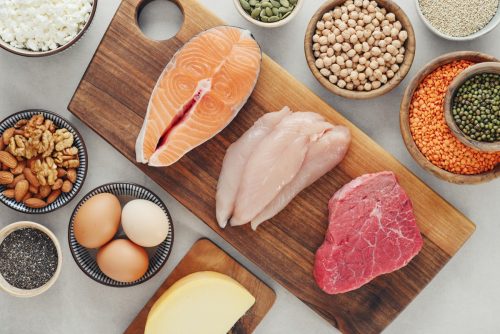
What does protein actually do in you body and which foods are the healthiest sources of this much-admired macronutrient? Healthy Food Guide digs into the details.
Here’s what we cover:
- What is protein?
- What does protein do?
- Where is protein found and which types are best?
- Animal-based protein foods
- Plant-based protein foods
- How much protein do we really need?
- Average protein recommended per day
- Protein for athletes
- Protein content of common foods
- Best protein foods
- Protein powders and fortified snacks
- Your protein-rich day on a plate
Protein has almost become a bit of an obsession in recent years, despite most Kiwis and Aussies meeting protein guidelines through their everyday eating.
There’s no doubt protein is an important macronutrient, just like carbs and healthy fats, but do we really need to have it added to everything we eat – from coffee, cereal and bread to ice cream, cookies, drinks and beyond?
And is there a difference in protein quality, for instance from natural sources rather than fortified or supplemented foods?
Let’s dig into the evidence-backed details on protein.
What is protein?
Proteins are made up of 20 amino acids. Nine of these amino acids are called ‘essential’ as we must get them from what we eat, whereas the body can manufacture the others if they’re not consumed as part of our diet.
What does protein do?
Protein has a number of key roles in our bodies: it enables the growth and repair of body tissues; forms muscles, skin and hair; maintains fluid balance; and enables cell-to-cell communication, among many other things.
Your average 76kg man is made up of about 12kg of protein; the largest part of that, about 6kg, will be skeletal muscle while blood and skin together contain about 1.8kg.
Including protein at each meal can help keep you feeling satisfied and fuller for longer, supporting appetite control and healthy weight management. Varying your protein sources throughout the week also helps you get a broader range of essential nutrients.
Get more satisfaction
Protein is one of the main reasons why dietitians often recommend snacking on nuts or yoghurt, rather than a low-kilojoule biscuit.
Meals with a good helping of protein from meat, fish, chicken, eggs, beans or lentils help us feel full and satisfied for longer.
Protein also plays a key role in regulating our hunger hormones, particularly ghrelin which triggers hunger pangs.
Where is protein found and which types are best?
Protein is found naturally in both animal and plant-derived foods. These days it‘s also added to all sorts of processed foods to boost protein value.
Protein quality is determined by the amount and type of amino acids present in foods and how this compares to the proportions of specific amino acids that we need.
The best quality, single food sources of protein tend to be animal-derived foods (think meat, fish, eggs, dairy), because they provide us with all the amino acids we need in the right balance.
Both plant-based protein foods and animal-based protein foods contain other essential nutrients our bodies need.
Animal-based protein foods
Protein is found naturally in both animal and plant-derived foods. These days it‘s also added to all sorts of processed foods to boost protein value.
Protein quality is determined by the amount and type of amino acids present in foods and how this compares with the proportions of specific amino acids that we need.
The best quality, single food sources of protein tend to be animal-derived foods (think meat, fish, eggs, dairy), because they provide us with all the amino acids we need in the right balance.
Both plant-based protein foods and animal-based protein foods contain other essential nutrients our bodies need.
FISH: provides omega-3 fatty acids and B vitamins such as B6, B12, riboflavin and folate.
LEAN RED MEAT: provides iron, zinc, vitamin B12 and magnesium as well as monounsaturated fats. For meat eaters, it‘s recommended that we have heart-healthy portion sizes of lean red meat 3-4 times a week to help get our iron, zinc and B12 requirements.
CHICKEN AND TURKEY: provide vitamin B12 and some iron and zinc.
EGGS: contain healthy monounsaturated fats, the antioxidants lutein and zeaxanthin, as well as a range of vitamins and minerals including B12, folate, vitamin A, iron, iodine and selenium.
MILK, CHEESE AND YOGHURT: provide calcium, riboflavin, vitamin B12 and phosphorus.
Plant-based protein foods
The proteins found in individual plant foods are often referred to as being ‘incomplete‘ as they lack one or more of the essential amino acids that the body can’t produce.
Soy protein contains all of the essential amino acids, so it‘s an exception. That means it‘s particularly good to include foods that contain soy protein, such as tofu, soy milk and tempeh, in a vegetarian diet.
Quinoa, a seed that is used like a grain, is also a complete plant-based protein.
Plant-based foods that are a good source of protein also provide the body with other essential nutrients. Eating a wide variety of plant-protein sources will ensure you get all nine essential amino acids.
LEGUMES AND PULSES: are high in soluble fibre and contain iron, B vitamins, magnesium, phosphorus and zinc. Soybeans are also rich in isoflavones. Legumes and pulses include dried beans, peas and lentils.
NUTS: are rich in fat-soluble antioxidant vitamin E, and provide useful amounts of zinc and magnesium. Walnuts contain omega-3 fats while Brazil nuts are particularly high in the mineral selenium.
TOFU: also contains iron and calcium.
Spread it out
Try to include protein throughout the day, rather than all in one meal. This helps maintain muscle mass in older adults.
How much protein do we really need?
Individual protein requirements vary according to age, sex, activity levels and some medical conditions. While there is a minimum level of protein that our bodies need, the other factor to consider is that protein foods also contain a wide range of vitamins and minerals that we need to maintain good health.
While most Aussies and Kiwis get adequate protein from their diet, and deficiencies are rare, there are some people who may need to pay closer attention to what they’re eating to ensure they meet their requirements, such as:
✽ elite athletes
✽ children and teenagers
✽ pregnant or breastfeeding people
✽ people recovering from illness or surgery
✽ older people
✽ people with malnutrition
✽ strict vegetarians or vegans
✽ people with chronic kidney disease.
In an article in The Conversation, Cardiff Metropolitan University dietetics lecturer Aisling Pigott suggests most people may benefit from a little more protein than current guidelines suggest, but less than what is often promoted by wellness influencers on social media.
Protein calculator
Head to our Daily protein calculator to calculate your daily needs
Average protein recommended per day
Dietitians Australia recommends the following approximate intake:
Adult women
0.75g/kilogram of body weight
Adult men
0.84g/kilogram of body weight
Pregnant, breastfeeding or over 70 years old
1g/kilogram of body weight
Infants
0-6 months › 1.43 g/kg body weight
7-12 months › 1.6 g/kg body weight
Children and adolescents recommended daily intake (RDI)
Australian National Health and Medical Research Council (NHMRC) and New Zealand Ministry of Health (MoH) recommended the following daily intakes for children and teens.
All
1-3 years › 1.08g/kg body weight
4-8 years › 0.91g/kg body weight
Boys
9-13 years › 0.94g/kg body weight
14-18 years › 0.99g/kg body weight
Girls
9-13 years › 0.87g/kg body weight
14-18 years › 0.77g/kg body weight
What about athletes?
There has been a lot of research done on the protein needs of very active individuals or athletes. Some sportspeople have double the protein needs of less active people because of increased protein requirements for muscle building and a higher use of
protein for energy. But recommendations vary for different sports.
For those doing strength work, such as bodybuilders, it’s been found that protein needs increase in the early stages of training, but the body adapts over time. Once an athlete is well trained, maintenance protein levels are not much higher than for generally active people.
For personalised advice on your specific requirements, it’s recommended athletes or highly active individuals visit an accredited practising dietitian.
Approximate recommendations for athletes expressed in grams of protein per kilogram of body weight per day are:
- For strength training the recommendation is to consume around 1.6-1.7g/kg protein per day.
- Endurance athletes (eg marathon runners) need around 1.2-1.4g/kg protein per day.
- For adolescent athletes who are growing as well as training, the recommendation is 2g/kg protein per day.
Athletes or very active individuals sometimes believe they need a lot more protein than they actually do. Eating a high-protein diet of more than 2g/kg per day is generally only recommended to prevent muscle loss in athletes undertaking a calorie deficit (weight-loss programme).
For an 80kg athlete a maximum of 160g of protein per day is recommended (and generally less). This can easily be obtained from a daily intake of 3-4 serves of meat products, 3 serves of dairy, 6 serves of breads and cereals, 1 serve of legumes and 1 serve of nuts.
Protein content of common foods
You could be forgiven for thinking that if you buy a 120g steak then that’s equivalent to 120g of protein. But no. Just like us, animal meats contain lots of water (even when cooked) and some fat (even the lean meats). The following protein values of common foods give you an idea of how much protein is present.
Scotch fillet steak, grilled (150g) = 43g protein
Chicken breast, grilled (107g ) = 33g
125g fish = 22-26g
1 cup chickpeas = 14g
100g uncooked pasta = 12g
¼ cup pumpkin seeds = 11g
Low-fat milk, 1 glass (250ml) = 11g
Poached eggs, 2 medium = 11g
Cheese (40g ) = 10g
1 cup soy milk = 9g
Tofu (100g ) = 8g
Legumes, cooked, ½ cup = 8g
200g baked beans = 8g
Yoghurt, 150g pottle = 7-15g
Peanut butter, 2 flat tablespoons = 7g
Cooked pasta, 1 cup = 7g
Multigrain bread, 2 slices = 7-8g
½ cup peas = 4g
Cooked white rice, 1 cup = 3g
Natural muesli, ¼ cup = 3-6g
Raw almonds, 12 = 3g
Boiled potato (114g ) = 2g
½ cup sweet corn = 2g
Which protein foods are best?
Ensuring a good mix of different protein sources is a healthy, satisfying way to boost your nutrient intake – whether you choose to eat animal or plant sources.
So, the ideal way to get your protein naturally is eating from a wide variety of all food groups. And you’ll also get more of the other important nutrients for good health that way, including fibre, healthy fats, carbs, vitamins, minerals and antioxidants.
What about protein powders and fortified snacks?
Protein powders and protein-fortified snacks aren’t really necessary for most of us, as we can adequately meet our protein needs through eating a wide variety of whole and minimally processed foods. Critics warn the marketing of protein-fortified products may lead to a ’health halo effect,’ where consumers equate high protein content with overall nutritional value.
If you enjoy the convenience of protein powders or bars, it pays to look at the back of pack and opt for versions with the least number of added ingredients and keep an eye on fibre content, sat fat and energy. If you choose a flavoured protein powder, go for one with stevia (a natural sweetener without kilojoules) or natural flavouring.
When it comes to protein ice cream, biscuits, drinks and chocolate, just remember the added protein doesn’t suddenly make them health foods. They are still treat foods, to be enjoyed occasionally.
It’s also worth remembering that any protein you eat above what your body needs will either be excreted as waste or stored as weight gain.
Go nuts
A sprinkle of nuts or seeds can add protein, healthy fats and minerals to meals and snacks.
Your protein-rich day on a plate
Hit your protein goals with nutritious foods – and make it tasty!
Breakfast
Bowl of high-fibre, low-GI cereal (30g) and high-protein milk (250ml) topped with sliced fresh fruit (150g)
Morning tea
1 low-fat yoghurt (200g)
Lunch
Wholegrain bread sandwich (2 slices) with canned tuna (100g), 1 slice (20g) reduced-fat cheese, 1 cup salad with edamame beans and 2 teaspoons reduced-fat spread
Afternoon tea
1 piece fresh fruit and 30g almonds and walnuts
Dinner
Beef stir-fry (100g lean stir-fry strips, raw weight), ½ cup cooked basmati rice, 2 cups cooked mixed vegetables, eg, bok choy, mushrooms, carrot, capsicum and 1 teaspoon canola oil.
The bottom line
Protein is a macronutrient worth our attention, alongside slow carbs and healthy fats. Most of us are unlikely to be deficient in protein but it can be worth making a conscious effort to include protein at every meal, especially for older adults, pregnant, menopausal and very active people. The best protein foods tend to be healthy, whole or minimally processed options, as they also provide other important nutrients. Protein bars and powders can help busy people or those with reduced appetite meet recommended targets.
Article sources and references
- Astrup et al. 2011. The role of reducing intakes of saturated fat in the prevention of cardiovascular disease: where does the evidence stand in 2010? Am J Clin Nutr. 93:684-688.
- Astrup. 2005. Protein, weight management and satiety. Am J Clin Nutr. 82:1-2.
- Australian Bureau of Statistics. 2014. Australian Health Survey: National First Results – Foods and Nutrients, 2011-12. Available at abs.gov.au Australian Institute of Sport. 2009.
- Increasing muscle mass. Australian Institute of Sport. 2009.
- Protein. Available at sportaus.gov.au
- Better Health Channel. 2014. Protein. Available at betterhealth.vic.gov.au
- Biolo et al. 1997. An abundant supply of amino acids enhances the metabolic effect of exercise on muscle protein. Am J Physiol. 273:E122-E129.
- Bray et al. 2012. Effect of dietary protein on weight gain, energy expenditure, and body composition during overeating. JAMA. 307:47-55.
- Burke et al. 2012. Effect of intake of different dietary protein sources on plasma amino acid profiles at rest and after exercise. Int J Sport Nutr Exerc Metab. 22:452-462.
- Carpenter. 2003. A short history of nutritional science: part 4 (1945-1985). J Nutr. 133:33313342.
www.healthyfood.com

 Achieve your goals
Unlock your ultimate healthy eating toolkit
Get instant access to everything you need to plan, shop and eat well in one place.