Osteoporosis: How to look after your bones for healthy ageing
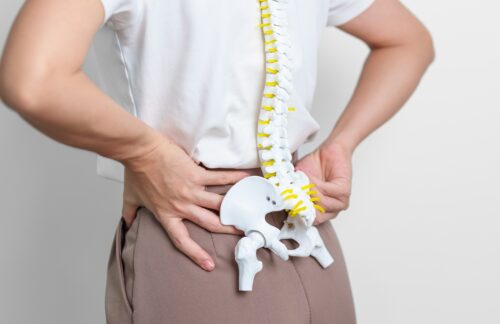
Strong bones provide the structure for a strong body, so looking after your bones across your entire lifespan is essential to maintaining good health and independence as we age. Osteoporosis is highly preventable with the right lifestyle habits and diet.
What we cover:
- What is osteoporosis?
- Risk factors for osteoporosis
- Why does bone health matter?
- Diet and lifestyle
- Why you need calcium
- How much calcium do you need each day?
- Which foods are best for getting calcium?
- High-calcium day on a plate
- The role of protein in bone health
- What else is beneficial for bone health?
- What can negatively affect bone health?
- The bottom line
What is osteoporosis?
Osteoporosis literally means ‘porous bones’ in Latin. The condition is characterised by low bone mass and deterioration of the bone tissue. The skeleton becomes brittle and less able to deal with the stresses and strains of daily life. Fractures of the wrists, spine and hips are the most common with the impact becoming more severe from middle age onwards. Hip fractures often lead to serious disability, a loss of independence and chronic pain. It’s estimated that 50 per cent of those with hip fractures require long-term care and up to 25 per cent pass away within 12 months.
Risk factors for osteoporosis
In Australia, half of all women and a third of men over the age of 60 have osteoporosis, while in New Zealand, at least one in three women and one in five men aged over 50 will experience a fracture due to osteoporosis. So, while building strong and healthy bones during childhood and teenage years is crucial, it’s just as important to protect your bone health as an adult too.
Over-50s who’ve already had a fracture are most at risk. As oestrogen is active in bone formation, a sudden drop in this hormone in post-menopausal women puts them at higher risk than men of the same age.
Genetics determine up to 80 per cent of peak bone mass (bone mass is the amount of bone tissue in the skeleton) and ethnic differences contribute to risk, with European (Caucasian) and migrants more susceptible to lower bone mass when compared with Maori, Pacific Island and indigenous populations.
Another factor is low body weight, particularly in frail older people and young people with eating disorders such as anorexia nervosa, due to a poor intake of essential nutrients.
A higher ratio of lean muscle to fat tissue in young people and older men has been associated with better bone health, and fatness among post-menopausal women has also been shown to be of benefit.
Risk factors at a glance
Aside from inadequate calcium intake, factors that increase your risk of osteoporosis include:
- A family history of the condition
- Early menopause
- Sedentary lifestyle
- Long-term use of steroid medication or reflux medication
- Medical conditions that affect nutrient absorption — such as undiagnosed or poorly-managed coeliac disease, Crohn’s disease, or ulcerative colitis
- Being 65 years or older for women, or 75 years or older for men
- Low vitamin D levels. Vitamin D helps with calcium absorption
- Smoking
- Excessive alcohol intake — more than 10–14 standard drinks a week
- A very high caffeine intake
- An excessive salt intake
Why does bone health matter?
Your bones provide structure for your body, protecting your organs and anchoring your muscles, which make putting osteoporosis prevention and bone health something that belongs firmly on your radar. To understand osteoporosis, it pays to know about something called ‘remodelling’. In a nutshell, bone is living tissue. It grows in childhood, undergoes a growth spurt during the teenage years, then continues to be constantly rebuilt when we’re adults. This rebuilding occurs because bone contains cells called osteoclasts which break bone down, and others called osteoblasts, which build new bone. Osteoporosis occurs when bones lose minerals more quickly than the body can replace them. This causes them to become weaker and less dense, so they break more easily.
Diet and lifestyle
Diet and lifestyle are essential for skeletal health. Several key nutrients contribute to peak bone mass from birth, including calcium, vitamin D and protein, plus phosphorus, magnesium, zinc, carotenoids and vitamin K.
It’s important to reach peak bone mass by the age of 30 to reduce risk in later life. A 10 per cent increase in bone strength can delay osteoporosis by up to 13 years, which is why it’s known as a ‘paediatric disease with geriatric consequences’.
Why you need calcium
A key nutrient for strong bones in all age groups, calcium is the major building block of our skeleton, where 99 per cent of our body’s calcium is stored. Increasing dietary calcium has been shown to improve bone health and reduce the risk of fractures. We also need calcium for healthy nerve and muscle function. If we don’t hit our daily calcium targets, our body may divert calcium from our bones for other bodily function, affecting bone density.
- Children and adolescents need to build strong bones to reduce the risk of osteoporosis later in life.
- Adults need to maintain bone health and slow bone loss, which generally begins from 40-50 years. Anyone over 50 who experiences a fracture from a minor fall or bump should ask their doctor for an osteoporosis assessment.
- Seniors need to sustain mobility and independence into old age.
How much calcium do you need each day?
Children: 500-1000mg per day
Teenagers: 1300mg per day
Adults: 1000mg per day
Women aged over 50: 1300mg per day
Men aged over 70: 1300mg per day
Which foods are best for getting calcium?
Dairy is an excellent source of bioavailable calcium. For example, a 200ml glass of cow’s milk and a 30g serve of cheddar both contain around 240mg of calcium, while 150g of natural yoghurt contains 200mg.
In comparison, a serve of green leafy vegetables contains anywhere from 20 to 90mg of calcium, 30g of almonds contains 75mg and 200g of cooked chickpeas contains 99mg. And then there’s also something called bioavailability, or in other words, how much of a food’s calcium the body can absorb. Roughly 30 per cent of the calcium in a dairy food will be absorbed and used by the body, compared with 20 per cent of an almond’s calcium. And while other plant foods like leafy greens and legumes tend to have a higher bioavailability in theory, sitting at around 50 per cent, they can also contain nutrients like oxalates and phytates that bind to calcium to significantly reduce its absorbability.
What about plant-based milk alternatives?
There’s no shortage of choice these days when it comes to milk alternative – in addition to soy and almond milk, you can also buy cashew, rice, oat, coconut, macadamia and even pea milk. Dietitians Australia says that soy milk is the plant-based option that has the closest nutritional profile to cow’s milk. In addition to being a good source of protein, most soy milk products are also fortified with calcium these days– and ‘added calcium’ typically has the same bioavailability as naturally present calcium.
However, a recent study agreed that while soy – and many other non-dairy milks – are usually fortified with calcium, noticeable differences remained in comparison to dairy milk, particularly around the protein, zinc and potassium content of the products. Dietitians Australia’s advice is that if you drink any of the plant-based milks, it’s important to check that it’s been fortified with calcium. Aim for 100mg of calcium per 100ml serve. And if you follow a vegan diet, choose a plant-based milk that’s also fortified with vitamin B12.
High-calcium day on a plate
With a recommended daily intake (RDI) of 1000mg calcium per day for most adults — what does this actually look like?
Example 1
170g tub yoghurt (200mg) + 95g tin of red salmon (150mg) + 3 dried figs (80mg) + 2 tablespoons tahini (132mg) + + 30g almonds (75mg) + 1 cup chickpeas (200 mg) + 1 cup calcium-enriched soy milk (240mg) = 1077mg
Example 2
150g firm tofu (480mg) + 1 cup cooked bok choy (125mg) + 2 tablespoons almond butter (132mg) + 30g reduced fat cheddar cheese (250mg) + 1 orange (50mg) = 1037mg
Top 6 foods to boost bone health
1 Dairy
Dairy is an easy way to achieve your calcium needs and is protein-rich. If you choose plant-based alternatives, make sure they are fortified with calcium.
2 Dried fruit
Try dried figs to increase calcium intake, dried prunes for vitamin K, and apricots, prunes and raisins for magnesium.
3 Nuts and seeds
Unhulled tahini, almonds and Brazil nuts are good sources of calcium, while pumpkin seeds provide zinc. All are an excellent source of protein!
4 Leafy green vegetables (except spinach and silver beet)
Cabbage, kale and Asian greens are good sources of calcium, Vitamin K and magnesium. Half a cup of cooked greens each day can provide what you need.
5 Legumes
These are ideal sources of protein, and good providers of magnesium, zinc and fibre. Legumes are important for good gut health, and help to boost the absorption of nutrients.
6 Tinned salmon or sardines
The bones in tinned fish are an excellent way to increase your intake of calcium. Fish is also an important source of protein and magnesium.
The role of protein in bone health
All that protein everyone’s trying to consume more of these days? Turns out that has a role to play in bone health too, because it provides the structural matrix of bone. As a result, research suggests that consuming plenty of it may help to prevent bone loss. Most people eat enough protein, but older adults are now advised to eat 1-1.2g of protein per kilogram of body weight, per day and, ideally, spread out across all the meals in your day.
What else is beneficial for bone health?
Exercise
When we’re younger, exercise helps to build strong bones, and when we’re older it helps to maintain bone strength and reduce bone loss. The reason? Regular exercise encourages your bones to adapt by building more bone and becoming denser. But not all exercise is equal– the best bone-strengthening activities are ones that are weight bearing, such as jogging and skipping, playing basketball, netball or tennis, stair walking and resistance training.
Vitamin D
Maintaining adequate levels of this is essential so that the body can absorb calcium from the intestine. While some foods contain small amounts of vitamin D, such as oily fish, egg yolks and some fortified dairy foods, the main source of vitamin D in this part of the world is exposure to ultraviolet radiation from the sun. How much sun exposure you need to keep your vitamin D levels topped up depends on a variety of things, including the season, where you live and your skin tone – and it’s always important to use and wear sun protection if the UV index is 3 or above to reduce your risk of skin cancer. Check out your local Cancer Council or Cancer Society for more information on how to be sun safe.
What can negatively affect bone health?
In the same way that certain nutrients and activities can be considered bone builders, other things have the opposite effect, including:
Smoking and alcohol
Smoking cigarettes or vapes or drinking more than two standard alcoholic drinks a day are all classified as risk factors for osteoporosis.
Some medications
Long-term use of corticosteroids, anti-seizure medications, medicines used to treat thyroid disease and depression, as well as hormone treatments for breast and prostate cancer may affect bone health.
Menopause
On average, women lose up to 10 percent of their bone density in the first five years after menopause, due to a lack of oestrogen.
Some health conditions
Living with a condition that impacts how well your body can absorb nutrients – for example coeliac disease or Crohn’s disease – can bump up the risk of osteoporosis. Rheumatoid arthritis and thyroid disease can also increase the risk of bone loss.
A family history of osteoporosis
Poor bone health can also be inherited from your family. Consider whether your parents or your siblings have been diagnosed with osteoporosis.
Bottom line
Certain risk factors, such as family history or menopause, can increase your risk of developing osteoporosis. But the good news is there’s plenty you can do to help reduce that risk. Hitting your daily calcium targets, engaging in regular weight-bearing, resistance and balancing exercise and getting some daily sun smart sun exposure are all simple habits to help keep your bones strong and healthy. Lastly, quitting smoking and limiting your alcohol consumption are also important lifestyle modifications for maintaining bone density and staying strong as you age.
Article sources and references
- American Academy of Orthopaedic Surgeons – OrthoInfo. Exercise and bone health.https://www.orthoinfo.aaos.org
- American Academy of Orthopaedic Surgeons – OrthoInfo. Smoking and musculoskeletal health.https://www.orthoinfo.aaos.org
- Animals Australia. Opinion: Data shows major rise in veganism among young people.https://www.animalsaustralia.org
- Better Health Channel. Calcium. https://www.betterhealth.vic.gov.au
- Better Health Channel. Menopause and osteoporosis. https://www.betterhealth.vic.gov.au
- Better Health Channel. Osteoporosis. https://www.betterhealth.vic.gov.au
- Better Health Channel. Osteoporosis and exercise.https://www.betterhealth.vic.gov.au
- CSIRO. 2016. Dairy avoidance reaches dangerous levels, especially for women.https://www.csiro.au
- CSIRO. 2018. Is breakfast protein the secret to weight loss? https://www.csiro.au
- CSIRO. 2024. Australians eat enough protein so why do we need more of it?https://www.csiro.au
- Dietitians Australia. Plant-based milks.https://www.dietitiansaustralia.org.au
- Harvard University – The Nutrition Source. Calcium. https://www.hsph.harvard.edu
- HealthDirect. Vitamin D and your health. https://www.healthdirect.gov.au
- Healthy Bones Australia. About bones. https://www.healthybonesaustralia.org.au
- Healthy Bones Australia. Calcium & Bone Health. https://www.healthybonesaustralia.org.au
- Healthy Bones Australia. Calcium content of common foods. https://www.healthybonesaustralia.org.au
- Healthy Bones Australia. Exercise & Bone Health.https://www.healthybonesaustralia.org.au
- Healthy Bones Australia. Osteoporosis risk factors. https://www.healthybonesaustralia.org.au
- Healthy Bones Australia. Vitamin D & Bone Health.https://www.healthybonesaustralia.org.au
- Mayo Clinic. Bone health: tips to keep your bones healthy. https://www.mayoclinic.org
- RACGP. Calcium, protein and vitamin D. https://www.racgp.org.au
- Ramsing R et al. 2023. Dairy and plant-based milks: implications for nutrition and planetary health. Curr Environ Health Rep. 10(3):291-302.
- SMH. One thing about our protein eating habits we’re getting all wrong. https://www.smh.com.au
- The Conversation. NZ’s dairy industry faces an uncertain future – its fate now lies in its ability to adapt. https://www.theconversation.com
- The Press. Glass half empty? Why Kiwis are drinking less milk. https://www.thepress.co.nz
- UNSW. 2022. Why plant-based ‘milks’ are rising to the top. https://www.unsw.edu.au
- Osteoporosis New Zealand.http:// osteoporosis.org.nz/osteoporosisfractures/ what-is-osteoporosis/ Accessed August 2015 https://osteoporosis.org.nz/osteoporosis-fractures/what-is-osteoporosis/
- Brown P et al.2007. The Burden of Osteoporosis in New Zealand 2007-2020. University of Auckland. School of Population Health. Auckand: Faculty of Medical and Health Scienceshttps://www.iofbonehealth.org/sites/default/files/PDFs/white_paper_new_zealand_2007.pdf
- Prentice A. 2004. Diet, nutrition and the prevention of osteoporosis. Public Health Nutrition 7(1A): 227-43https://www.ncbi.nlm.nih.gov/pubmed/14972062
- International Osteoporosis Foundation. 2015. Serve up Bone Strength. World Osteoporosis Day Campaign Toolkit. Switzerland: International Osteoporosis Foundation. http://share. iofbonehealth.org/WOD/2015/ campaign-toolkit/WOD_2015- campaign_toolkit.pdf Accessed August 2015 https://www.iofbonehealth.org/news/serve-bone-strength-2015-world-osteoporosis-day-campaign
- Nieves J. 2005. Osteoporosis: the role of micronutrients. American Society for Clinical Nutrition 81: 1232S-9S. https://www.ncbi.nlm.nih.gov/pubmed/15883457
- International Osteoporosis Foundation. 2013. Bone Care For Post Menopausal Women. Switzerland: International Osteoporosis Foundation. www.iofbonehealth.org http://www.iofbonehealth.org/
- Bischoff-Ferrari H, et al.2007. Calcium intake and hip fracture risk in men and women: a meta-analysis of prospective cohort studies and randomised controlled trials. American Journal of Clinical Nutrition 86: 1780-90. https://www.ncbi.nlm.nih.gov/pubmed/18065599
- Bolland M et al. 2010. Effect of calcium supplements on risk of myocardial infarction and cardiovascular events: meta-analysis. British Medical Journal 341: 1-9. https://www.bmj.com/content/341/bmj.c3691
- Stockton K et al. 2011. Effect of vitamin D supplementation on muscle strength: a systematic review and meta-analysis. Osteoporosis International 22: 859-871. https://www.ncbi.nlm.nih.gov/pubmed/20924748
- Osteoporosis New Zealand. http://osteoporosis.org.nz Accessed August 2015 https://osteoporosis.org.nz/
- Ward K, Klesges R. 2001. A Meta-Analysis of the Effects of Cigarette Smoking on Bone Mineral Density. Calcified Tissue International 68: 259-270 https://www.ncbi.nlm.nih.gov/pubmed/11683532
- Ministry of health www.health. govt.nz/your-health/healthy-living/ addictions/alcohol-and-drugs/ alcohol Accessed August 2015 https://www.health.govt.nz/your-health/healthy-living/addictions/alcohol-and-drug-abuse/alcohol
www.healthyfood.com

 Achieve your goals
Unlock your ultimate healthy eating toolkit
Get instant access to everything you need to plan, shop and eat well in one place.