Ask the experts: Heat-treated beans
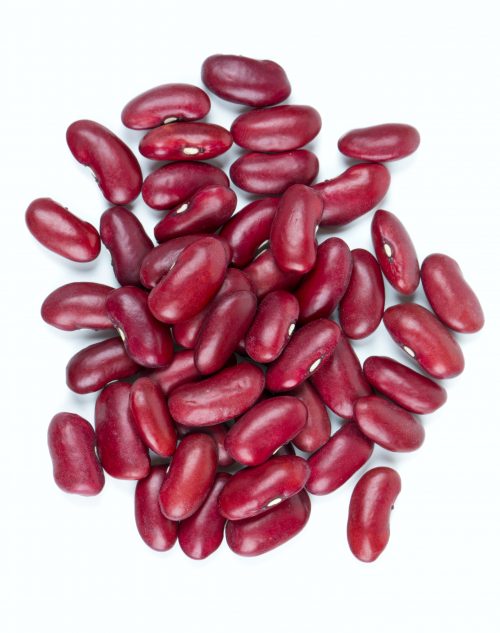
Q: “Why is it nearly impossible to find good quality dried beans that have not been heat-treated? I have bought some in the past year from various retailers (chickpeas, red kidney beans and haricot beans) and they have been an odd colour, as well as being impossible to cook to a state of tenderness. Why are they being heat-treated anyway, when it renders them inedible?”
EileenA: Christchurch dietitian Kristen Corselius White explains:
“Since 2004 the Ministry of Agriculture and Fisheries requires that imported dried beans, other pulses, grains and seeds, be heat-treated before entering NZ. This treatment kills any seed-borne illness that may be present and prevents germination of the bean. The intention is to prevent any diseases that may be present being accidentally imported into the country.
Heat treatment varies according to the specific crop but involves heating the product to a specified temperature and humidity for an extended time. While it does not seem to change the nutritional quality, heat treatment can make water absorption more difficult for some pulses and thus their ability to be cooked.
Exceptions to this rule depend on importers obtaining a phytosanitary certificate verifying the crop was grown in a pest-free area. Because the process is more expensive and cumbersome, the number of importers bringing in untreated beans is limited. You do have a couple of options for sourcing non-heat-treated pulses. First, buy NZ-grown whenever possible. You may be limited to lentils, split peas and dried peas, but at least it’s a start. Second, find a shop that sells non-heat-treated beans. I visited several food shops in my area, Piko Wholefoods and Nature’s Organics, that are determined to sell untreated beans, even if that means they can’t stock all pulse types (untreated chickpeas are hard to source right now). Lastly, grow your own – I’m experimenting with borlotti beans this year. Your local garden centre should be able to help you identify what grows in your area.”
www.healthyfood.com

 Achieve your goals
Unlock your ultimate healthy eating toolkit
Get instant access to everything you need to plan, shop and eat well in one place.

Ask a dietitian!
 Min Saw
APD, B Nutr Diet (Hons)
Min Saw
APD, B Nutr Diet (Hons)
Got a burning question about nutrition you’d love our dietitian to answer in our Ask the Expert column? Submit it here for consideration and we’ll let you know if your question is selected to be published.
Sign up or to send your first question and access over 5300 recipes, advice and more.