How to choose hot cereals
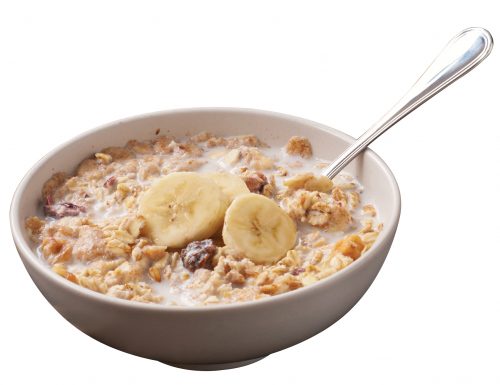
A hot cereal is just what’s needed to warm you up on a cold wintery morning. We take a closer look at some of the options.
What’s available
Many hot cereals are oat-based. Rolled oats are created when oat groats are steamed then rolled into flakes. The thinner the oat flakes, or the longer you steam them, the quicker they cook. The different types of rolled oats have different textures but a very similar nutrition profile so if you have a favourite brand, stick to it. Remember, it’s what we add that makes the difference. Try sliced banana for sweetness rather than brown sugar. There is also a good range of gluten-free options, including porridge made with quinoa, millet, rice and buckwheat There’s something for all tastes!
Note: Approximately one in five people with coeliac disease reacts to oats uncontaminated by wheat gluten. Coeliac New Zealand advises people with coeliac disease not to eat oats, as gut damage can occur even without symptoms.
Fibre
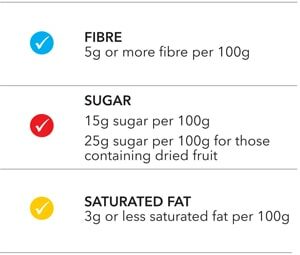
Oats are a source of both soluble and insoluble fibre. Insoluble fibre helps promote regular bowel movements and soluble fibre can help to lower the absorption of LDL cholesterol. We recommend choosing hot cereals with 5g fibre or more per 100g.
Sugars
Flavoured hot cereals may have fruit, spices, flavours, milk powder and sugars added. The sugars in the fruit and milk powders are natural sugars we don’t need to be concerned about. It’s the free sugars we need to watch. Free sugars include all added sugars, plus those found naturally in a syrup or extract, such as honey and fruit juice. The nutrition information panel doesn’t differentiate between natural sugars and free sugars so reading the ingredients list is important. We recommend choosing hot cereals with no more than 15g sugar per 100g and if they contain dried fruit, no more than 25g sugar per 100g.
Saturated fat
Most breakfast cereals are low in saturated fat, but when coconut is added the saturated fat content increases. We recommend choosing hot cereals with no more than 3g saturated fat per 100g.
How to choose
Use the criteria below to compare hot cereals:
www.healthyfood.com

 Achieve your goals
Unlock your ultimate healthy eating toolkit
Get instant access to everything you need to plan, shop and eat well in one place.