In season late spring: Basil
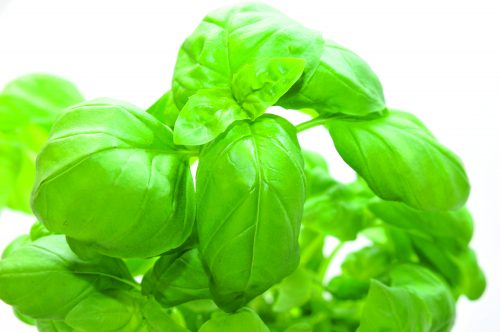
This herb favourite differs between varieties: larger leaves are sweeter, purple-leaved basil is especially fragrant, while Thai-type basil perfectly complements fish, beef and curries. Sweet basil, the most common, stores easily and is great for pesto (see 10 ways with pesto).
Buying
Having a basil plant is an ideal way to keep an ongoing supply. Buy one and transplant it to soil.
Storing
Store plucked basil in plastic bags in the refrigerator or place stems in water and cover with a plastic bag to last up to a week. Drying basil in bunches is another option – or oven-dry the herb. Basil preserved this way can last up to a year stored in an airtight container.
Nutrition
Herbs are rich in phytochemicals, chemicals found in plants that are good for our health, particularly antioxidants. Basil is very high in antioxidants, so it’s a great addition to the diet.
Using basil
Roughly tear (don’t cut) basil leaves just before using. Use basil raw or add the herb at the end of cooking so as not to lose its flavour. Basil enhances salads and savoury dishes: add flavour to stews, casseroles or pasta sauces.
Did you know? Basil is a known fly deterrent so keep basil plants handy to ward off flies.
www.healthyfood.com

 Achieve your goals
Unlock your ultimate healthy eating toolkit
Get instant access to everything you need to plan, shop and eat well in one place.