How to boost your iron levels through diet
Iron deficiency remains the one of most common nutritional disorder worldwide, affecting over 25 per cent of the global population. In Australia and New Zealand, low iron is more prevalent than full blown deficiency, but both While often framed as a women’s health issue, maintaining healthy iron stores is a universal priority. From growing children and athletes to plant-based eaters and older adults, we all rely on iron to transport oxygen, support immunity and sustain energy levels.
Since our bodies cannot produce iron, we depend entirely on what we eat to meet our daily requirements. This complete guide provides a science-based roadmap to help you identify the signs of low iron and discover the most effective ways to optimise your intake.
What we cover
- Why we need iron
- How much iron do we need?
- What happens if your diet lacks iron?
- Symptoms of low iron and anaemia
- Why you may need more iron
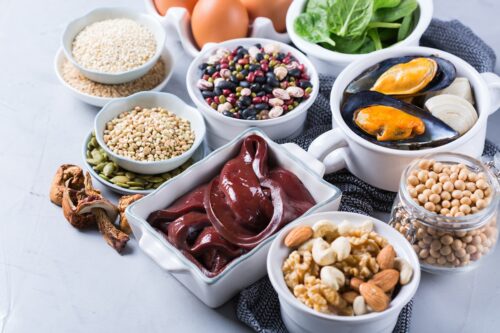
- What to eat to boost your iron
- Getting enough iron when you’re vegetarian
- Foods that inhibit iron absorption
- FAQs
Why we need iron
Iron helps your body make red blood cells by binding to a protein called haemoglobin. Haemoglobin is the pigment that makes blood red and carries oxygen from your lungs to the rest of your body. The oxygen is then used to burn carbohydrates and fats, releasing the energy stored inside. Adequate iron ensures peak energy levels, optimal brain function and a strong immune system.
How much iron do we need?
The recommended dietary intake(RDI) of iron varies among age groups and lifestages:
- Infants aged 7–12 months 11g
- Girls and boys aged 1–3 years 9g
- Girls and boys aged 4–8 years 10g
- Girls and boys aged 9–13 years 8g
- Teenage girls 15mg
- Teen boys 11mg
- Adult women 18mg, reducing to 9g after menopause
- Adult men 8mg.
High-dose supplements may be prescribed by a doctor to help replenish low body stores. It is possible to overdo iron supplements, with potentially harmful or fatal effects, so never take more than your doctor advises.
What happens if your diet lacks iron?
Your body has a number of back-up systems which allow it to keep making enough red blood cells. If your diet lacks iron, your body will begin to use up its stores. Once they are gone, any iron being transported around the body will be used next, so you may start to feel tired. When this iron runs out and your body can’t make enough red blood cells, you have iron-deficiency anaemia.
As a result, fewer healthy red blood cells are produced and those that are made are smaller and less efficient at transporting oxygen. This reduces oxygen delivery to tissues, which is why fatigue, weakness and shortness of breath develop.
The good news is that iron deficiency is usually reversible. In the early stages, increasing dietary iron intake and improving absorption is often enough to rebuild iron stores. Even when iron-deficiency anaemia has developed, iron levels and symptoms typically improve with appropriate dietary changes and if needed, medical treatment such as iron supplementation. In most cases, normal iron status can be fully restored once the underlying cause is addressed.
Symptoms of low iron and anaemia
Signs of low iron (early stage)
- Tiredness and low energy
- Reduced exercise performance
- Difficulty concentrating
- Feeling generally rundown.
Signs of iron-deficiency anaemia (later stage)
- A pale colour
- Irritability
- Weakness
- Shortness of breath
- Coldness
- Pins and needles.
Over a period of time, anaemia can affect the immune system and brain function. Fortunately, your body responds by making iron absorption in the small intestine more efficient but you need to eat iron-rich foods regularly to treat this condition and rebuild iron stores. If you are a teenage girl, a young woman or a female athlete, you are more prone to iron-deficiency anaemia.
Reasons you may need more iron
- Do you bleed heavily during menstruation?
Women can lose more iron than what is replaced in their diet. - Are you pregnant?
It’s important to maintain iron levels during pregnancy and breastfeeding. Pregnant people have higher blood volume so need to compensate, and to ensure to support healthy fetal development. - Are you following a restrictive weight-loss diet?
Your body needs adequate nutrition and energy to absorb iron properly. - Do you regularly donate blood?
The blood bank should test levels to ensure you are not already iron deficient. - Do you have a gastrointestinal condition such as coeliac disease, haemorrhoids or ulcers?
Gastrointestinal conditions may affect the absorption of iron from food or cause blood-loss. - Are you a long-distance runner?
Runners can squash circulating red blood cells (these are replenished every 120 days) when their feet repeatedly strike the ground. If you run regularly, wear good shoes and try to run on grass instead - Do you suffer from frequent infections?
A poor immune system may indicate low iron.
If you answered yes to any of these questions, have your GP check your iron levels.
What to eat to boost your iron
The two main forms of iron are haem (found in meats) and non-haem (found in plant foods). Our body is able to absorb 20 per centper cent of the iron from haem sources, compared with only 5 per centper cent from non-haem iron sources. Vitamin C and animal proteins help release non-haem iron bound in plant foods, so it’s best to eat non-haem iron foods with vitamin C-rich fruits and vegetables.
| Eat any of these… (non-haem iron foods) |
with these for more iron (add Vit C-rich foods) |
| Legumes | Tomatoes |
| Wholegrain breads and cereals | Broccoli |
| Nuts | Kiwifruit |
| Green leafy vegetables | Capsicum |
| Cereal | Citrus fruits and juice |
Iron-rich foods
- Red meat is a rich source of haem iron and all meat and fish improves the absorption of non-haem iron. A small fillet steak provides 15 per centper cent of the recommended dietary intake(RDI) of iron for women of child-bearing age and 38per cent of the RDI for men, children and older people. Include lean red meat in your diet three to four times a week.
- Chicken contains haem iron, with a medium breast providing 5per cent of iron RDI for women and 13per cent for others.
- Some shellfish are also an excellent source of haem iron: ⅓ cup of steamed mussels (50g), seven oysters (110g) or ½ cup of steamed pipis (75g) each provide 30per cent of iron RDI for women and 75per cent of iron RDI for others.
- Organ meats such as liver and kidney are rich in haem iron and some people really enjoy them.
- Wholegrain breads and cereals, nuts, legumes and iron-fortified cereals all contain non-haem iron.
- Leafy greens such as spinach.
- Tofu is a good plant-based source of iron, containing 2mg per 100g serve.
- Pumpkin seeds are crunchy way to top up the non haem iron in a meal or snack. Just two tablespoons sprinkled over will provide 2.4mg.
Getting enough iron when you’re vegetarian
If you don’t eat meat, you can still easily meet your daily requirements by focusing on iron-dense plant foods. While plant-based (non-haem) iron is absorbed at a lower rate –roughly 5per cent compared with the 20per cent found in meat –you can bridge this gap with smart dietary pairings.
- Maximise your portions: Since the absorption rate is lower, it is important to incorporate generous, frequent portions of iron-rich plant staples like tofu, legumes (lentils, chickpeas and beans), leafy greens and whole grains into your daily routine.
- The vitamin C boost: This is the most essential tool for anyone following a vegetarian or vegan diet. Pair your plant iron sources with vitamin C-rich foods—such as capsicum, broccoli, tomatoes or citrus fruits.
- Look for fortified options: Many everyday staples, such as breakfast cereals and some breads, are fortified with extra iron. These can provide a substantial boost to your total daily intake without much extra effort.
- Smart snacking: Opt for snacks that pull double duty, such as cashews or pumpkin seeds paired with dried apricots. The nuts provide the iron, while the apricots provide the vitamin C needed to help that iron get to work.
By focusing on these ‘power pairings’ and choosing nutrient-dense plant foods, you can maintain optimal iron levels and peak energy without needing to rely on animal products.
Foods that inhibit iron absorption
While certain foods help absorption, others can act as ‘inhibitors’ by binding to iron in the digestive tract. To ensure you are getting the most out of your meals, be mindful of the following:
- Tea and coffee: These contain tannins and polyphenols that can significantly reduce iron absorption. Enjoy them some time before or after after eating, rather than with your meals.
- Dairy products: The calcium in foods like yoghurt and milk can interfere with how your body takes in iron. In the context of a healthy diet, the impact is negligible, but If you are managing iron deficiency, it is often recommended to consume dairy products at least two hours before or after iron-rich meals
You don’t need to avoid these foods; you just need to time them right. Enjoy your coffee, tea, or dairy as a standalone snack at least one hour away from your primary iron-rich meals.
An iron-rich day on a plate
Boosting your iron isn’t just about what you eat but how you combine your foods throughout the day. This sample meal plan shows how to strategically pair iron sources with ‘activators’ like vitamin C while keeping ‘inhibitors’ like caffeine away from your key iron sources.
- Breakfast: Choose an iron-fortified, wholegrain breakfast cereal and top it with fresh berries and skim milk. The cereal provides a significant iron boost, while the vitamin C in the berries helps your body absorb it more effectively.
- Morning snack: Enjoy a piece of fruit but try to time your coffee or tea between meals. Keeping caffeine separate from your food prevents polyphenols from reducing your body’s iron absorption.
- Lunch: Opt for a wholegrain tuna sandwich with tomato, lettuce and a a kiwifruit. For a vegetarian alternative, try a four-bean mix salad with a lemon juice dressing and a wholegrain roll. The vitamin C from the tomato, orange or lemon helps unlock the non-haem iron found in the bread and legumes.
- Afternoon snack: A small handful of nuts paired with dried apricots makes for a perfect iron-focused snack. While nuts contain phytates, the vitamin C in the apricots helps counteract them to boost absorption.
- Dinner: Whip up a beef and vegetable stir-fry with broccoli and capsicum served over noodles or rice. If you prefer a plant-based option, swap the beef for tofu. Both the meat and tofu provide iron, which is further enhanced by the high vitamin C content in the fresh vegetables.
- Supper: If you enjoy a tub of low-fat yoghurt in the evening, save it for supper. Since calcium can interfere with iron absorption, it is best to consume dairy products as a standalone snack between your main meals.
FAQs
How often should I have my iron levels checked?
If you are in a high-risk group,such as pregnant women, teenage girls, or endurance athletes, it is wise to have your GP check your levels annually or if you notice persistent fatigue. A blood test can determine if you have low iron or iron-deficiency anaemia before symptoms become severe
Should I take iron supplements?
It’s important to correctly identify the cause of your symptoms and not to take iron supplements if you don’t need to. Since iron, calcium and zinc are absorbed by the same mechanism in your intestine, too much of one can stop the absorption of others.
If you need iron supplements, you may be advised to take them before bed rather than with meals or other mineral supplements to make sure you absorb as much as you need without compromising other nutrients.
Gut discomfort and constipation are often side effects, so talk with your GP before taking iron supplements. Pregnant women and those who are diagnosed with iron-deficiency anaemia may be prescribed supplements or an injection if more iron is needed.
Does cooking with a cast-iron skillet actually increase the iron in my food?
Maybe. Research shows that cooking acidic foods (like tomato-based sauces) in cast-iron cookware can cause small amounts of iron to leach into the meal, providing a modest boost to your intake. However, more research is needed to understand how well this approach works.
Are there specific iron needs for older adults?
While the recommended dietary intake(RDI) for men and post-menopausal women is lower, at 8mg daily, iron remains crucial for cognitive function and immune support as we age. Older adults need to focus on nutrient-dense sources like lean red meat or fortified cereals to maintain these levels.
Why is iron so important during pregnancy?
During pregnancy, your blood volume increases significantly to support your growing baby, which dramatically raises your iron requirements. If you cannot meet these needs through diet alone, your GP, obstetrician or LMC may prescribe a supplement to prevent anaemia and ensure peak health for both mother and baby.
The bottom line
Iron is an essential nutrient that’s worth our attention, especially for infants, toddlers, vegans, vegetarians and menstruating women, who have higher needs. Low iron is more common among these groups and can lead to iron deficiency anaemia if left unchecked. Eating a food containing vitamin C (including many fruits and vegetables) alongside an iron-rich meal means your body will absorb more iron. So, pile your plate with vegies – especially red, yellow and orange capsicums, tomatoes, cabbage and broccoli – to maximise your intake. And have a kiwifruit or orange slices with your cereal.
Article sources and references
- How to get more iron in your day https://www.healthyfood.com/resource/how-to-get-more-iron-in-your-day/
- How to boost iron at breakfasthttps://www.healthyfood.com/healthy-shopping/how-to-boost-iron-at-breakfast/
- Six smart swaps to boost iron for kids https://www.healthyfood.com/healthy-shopping/6-smart-swaps-to-boost-iron-for-kids/
- Iron and protein values of common vegetarian foods https://www.healthyfood.com/resource/iron-and-protein-values-of-common-vegetarian-foods/
- Iron Disorders Institute. Supplements, irondisorders.org Accessed August 2018 Manoguerra AS et al. 2005. Iron ingestion: An evidence-based consensus guideline for out-of-hospital management. Clinical Toxicology 43:553-570http://www.irondisorders.org/
- National Health and Medical Research Council & Ministry of Health. Nutrient reference values for Australia and New Zealand. Iron, nrv.gov.au/nutrients/iron Accessed August 2018 https://www.nrv.gov.au/
- National Institutes of Health Office of Dietary Supplements. 2018. Iron. Fact sheet for health professionals, ods.od.nih.gov Accessed August 2018 https://ods.od.nih.gov/factsheets/list-all/
www.healthyfood.com
 Achieve your goals
Unlock your ultimate healthy eating toolkit
Get instant access to everything you need to plan, shop and eat well in one place.