Your complete guide to coeliac disease, gluten sensitivity and going gluten free
In summary
- Coeliac disease affects about 1.4 per cent of people globally and requires a strict, lifelong gluten-free diet as the only recognised medical treatment.
- Getting an official diagnosis before cutting out gluten is essential, since eliminating entire food groups unnecessarily risks malnutrition and can affect coeliac test accuracy.
- A satisfying gluten-free diet is achievable by identifying naturally gluten-free foods and suitable substitutes for wheat flour, while prioritising fibre through wholegrains, legumes and seeds.
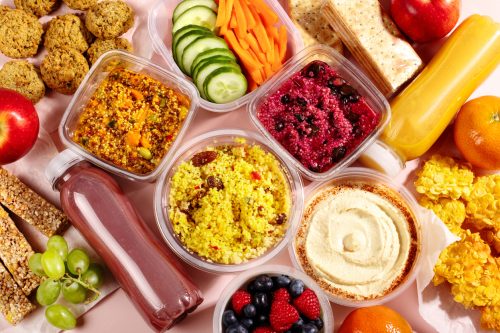
If you or someone in your family must cut out gluten, you will know this means a total diet rethink. For anyone diagnosed with coeliac disease or a non-coeliac gluten sensitivity adjusting to a gluten-free diet can be daunting. Arming yourself with science-backed advice is the first step to making the healthiest choices and side-stepping any potential nutrient gaps that may come as a result of cutting out an entire food group.
Around one in 100 people has coeliac disease — meaning this one per cent is unable to digest gluten. For them, gluten triggers an immune response that inflames the digestive system, among other areas of the body. This inflammation damages the gut lining, making it difficult to absorb nutrients from food.
For people diagnosed with coeliac disease, a strict gluten-free diet is the only treatment to maintain health and avoid long term complications.
Gluten sensitivity or intolerance, on the other hand, is a less clear diagnosis, associated with unpleasant symptoms after eating food containing gluten (whether that be from wheat, rye, barley or oats). A gluten-free diet may help these people manage symptoms but may not need to be as strictly followed as those with coeliac disease.
On this page
- Understanding gluten sensitivity and when to get help
- Foods containing gluten
- What’s left to eat and drink?
- Identifying foods you can eat
- The importance of fibre on a gluten-free diet
- Eating out
- Gluten-free cooking
What is coeliac disease?
According to blood testing, this autoimmune disease affects about 1.4 per cent of people, globally. The immune system of people with coeliac disease reacts abnormally to gluten, causing damage to the small intestine. The villi — the tiny, finger-like projections that line the bowel — become inflamed and flattened, which reduces the overall surface area of the bowel available for nutrient absorption. This is what leads to the typical symptoms of coeliac disease.
While recent research offers hope that new treatments for coeliac disease may be on the horizon, including those that increase immune tolerance for gluten, for now a strict and lifelong, gluten-free diet is the only recognised medical treatment for the disease. As well as minimising symptoms, sticking to this diet is vital for reducing both bowel damage and the risk of a long list of health conditions associated with coeliac disease.
What is non-coeliac gluten sensitivity?
In simple terms, it’s a condition where people who don’t have coeliac disease have gastrointestinal and other symptoms after eating foods containing gluten. While approximately 10 per cent of adults worldwide self-report gluten or wheat sensitivity, meta-analyses suggest that just 16–30 per cent of those individuals have symptoms specifically triggered by gluten.
Understanding gluten sensitivity and when to get help
Before we get into the practical steps of gluten‑free living, it’s helpful to recognise that reactions to gluten aren’t limited to coeliac disease alone. As mentioned, some people experience non‑coeliac gluten sensitivity, where eating gluten leads to symptoms such as bloating, discomfort, fatigue or changes in bowel habits, yet medical tests for coeliac disease come back negative. This isn’t the same as an allergy or coeliac disease, but it can still cause real and uncomfortable symptoms.
If you or someone in your family notices recurring symptoms after eating gluten‑containing foods, it’s wise to discuss this with your doctor or a dietitian. They can help determine whether coeliac disease, a wheat allergy, non‑coeliac gluten sensitivity or another issue is at play, and guide you safely through dietary changes. Just make sure you don’t cut out gluten before being tested, as this can interfere with test results.
Symptoms of coeliac disease vs non-coeliac gluten sensitivity
Coeliac disease and NCG/WS share some of the same symptoms, as well as having some that are unique.
Both conditions can cause:
- Gastrointestinal upset such as diarrhoea, constipation, nausea, cramping, bloating and abdominal pain
- Fatigue, weakness or lethargy
- Skin rash
- Iron deficiency or anaemia.
But coeliac disease can also cause:
- Severe or recurrent mouth ulcers
- Early onset osteoporosis
- Unexplained infertility or recurrent miscarriage.
And gluten sensitivity is reported to be associated with:
- Systemic inflammation that triggers fibromyalgia-like pain
- ‘Brain fog’
- Depression or anxiety.
The pitfalls of self-diagnosis
If you suspect you’re reacting to gluten it might be tempting to try a gluten-free diet and, if that makes you feel better, stick with it while considering the case closed. However, Coeliac Australia’s Health Advocacy Officer Penny Dellsperger warns against it.
“For people who have coeliac disease, getting an official diagnosis is so important,” she stresses. “Partly this is because it can help you stay motivated to eat a really strict gluten-free diet, but when you have coeliac disease you also require other ongoing health checks, including bone density tests and screening for other autoimmune diseases. Your immediate family members should be screened for coeliac disease, too.”
Another reason to get a proper diagnosis is that eliminating gluten unnecessarily isn’t good for you. “As soon as you restrict or cut out entire food groups from your diet, you risk malnutrition,” says Penny. “For example, gluten-free diets can often be lacking in whole grains and fibre, both of which are really important for good health. So, if you don’t need to eliminate gluten, you shouldn’t.”
While a definitive test for non-coeliac gluten sensitivity doesn’t exist at present — so finding the likely cause of gastrointestinal discomfort involves an elimination diet under the guidance of a health professional — tests for coeliac disease do exist. But they’re dependant on a normal gluten intake over a period of weeks or even months beforehand.
Dr Tye-Din’s research is focused on finding a solution to this, so coeliac disease can be diagnosed after a single, small meal of gluten. At present, if you’ve already gone gluten free, accurate testing to rule coeliac disease either in or out, which is also an important step in the diagnosis of gluten sensitivity, isn’t available.
What is gluten anyway?
Gluten is a protein that occurs naturally in some grains, particularly wheat, rye, triticale, barley and oats. In Australia and New Zealand there are no guarantees oats can be eaten safely on a gluten-free diet, while in some other countries gluten-free oats are available. For this reason, oats are usually grouped with the grains containing gluten.
Grains containing gluten are used as ingredients for a wide range of prepared and commercial foods. Wheat flour alone is found in thousands of products. Any product containing even tiny quantities of gluten must be totally avoided by people with coeliac disease; it is not a matter of ‘a tiny amount won’t harm’.
Foods containing gluten
While it is obvious certain products contain gluten (regular breads, pastries, cakes, muffins, biscuits, cereals and pasta), there is many products where it is not so obvious. There are several ways to learn about which foods contain gluten:
- Visit a dietitian. They will talk you through any concerns and point you in the right direction with food. This is a very important first step for anyone newly diagnosed with coeliac disease.
- Connect with support organisations. Organisations like Coeliac Australia, Coeliac New Zealand, and international groups such as the Coeliac Society in the UK or the Celiac Disease Foundation in the US provide a wealth of information, advocacy, and local support services. These organisations can help you find gluten-free resources, manage your diet and stay updated on the latest research and products.
- Explore the gluten-free section of your supermarket. Because of increased demand for gluten-free foods, most supermarkets have a section devoted to them. Products include bread, muffin, pastry and pancake mixes, flour, stock powder, soy sauce and many other alternatives to commonly used foods containing gluten.
- Read food labels.All food labels must contain an ingredient list. Once you know what to look for, this is another way to check if the product contains gluten. Avoid products containing:
-
- wheat, flour, wheat starch, wheat germ, wheat bran, enriched wheat flour, bulgar, spelt, durum, couscous, semolina
- oats, oatmeal, oat bran, oat flour, rolled oats
- rye, rye flour
- triticale, triticale flakes
- barley, barley flour, barley flakes
- cereal, flour, bran, some types of hydrolysed vegetable protein, starch, hydrolysed plant protein (often found in stock cubes), modified food starch, cornflour made from wheat
- Food additives listed as numbers can be worrying. Most of these do not contain gluten, but modified starches (1400-1450) are of most concern; if they contain gluten, it should be specified on the label.
Gluten-free grains, flours and their products
- Corn
Corn-based breakfast cereals
Polenta
Unflavoured popcorn
Taco shells, unflavoured corn chips
Cornflour made from corn or maize.
- Rice
Rice
Rice flour
Rice breakfast cereals
Baby rice cereals
Rice bran
Plain rice crackers/cakes
Plain rice noodles.
- Other grains and flours
Wild rice
Sago
Tapioca
Buckwheat
Potato flour
Arrowroot
Millet
Amaranth
Quinoa.
- Flours made from legumes
Soy flour
Yellow split pea flour
Chickpea flour.
Products that may contain gluten
- Baked beans/creamed corn
- Baking powder
- Crumb coatings for meat, fish or poultry
- Sausages
- Processed meats
- Soups
- Stock cubes/powder
- Some spice mixes
- Sauces
- Gravies
- Dressings/mayonnaise
- Products containing malt such as breakfast cereals, malted milk drink powders
- Maltodextrin (this can be made from rice, corn, potato or wheat starch)
- Cornflour (check it comes from corn rather than from wheat)
- Custard powder
- Curry powder
- Mustard
- Cocoa, drinking chocolate, cooking chocolate
- Beer, lager
- Some beverages
- Some modified starches or thickeners
- Coffee substitutes.
At the end of the day, we are reliant on manufacturers to tell us if there are gluten-containing ingredients in a product. If in doubt, contact the manufacturer, your local Coeliac Society or a dietitian.
What’s left to eat and drink?
There is a tendency amongst people newly diagnosed with coeliac disease to focus on and grieve for the foods they cannot have. While that’s natural, a more positive approach is to focus on the foods you can eat. There is a whole world of delicious gluten-free ingredients that can make for a very satisfying diet.
Once you have identified the foods you can eat, the next challenge is to put them together in a way that is satisfying, delicious and nutritious. This means understanding the new gluten-free ingredients you are substituting and how they work.
Identifying foods you can eat
Here’s a list of gluten-free foods you can enjoy:
- Fruits and vegetables: All fresh fruits and vegetables are naturally gluten-free, including apples, berries, carrots, spinach, and potatoes.
- Gluten-free grains: Brown rice, quinoa, buckwheat, millet, and gluten-free oats are great sources of whole grains.
- Legumes and pulses: Beans, lentils, chickpeas, and peas are naturally gluten-free and high in fibre and protein.
- Meat and fish: Fresh, unprocessed meats (beef, chicken, lamb) and fish (salmon, tuna, cod) are gluten-free when not breaded or prepared with gluten-containing additives.
- Dairy products: Most dairy products like milk, cheese, and yoghurt are naturally gluten-free (ensure they’re not flavoured with gluten-containing ingredients).
- Nuts and seeds: Almonds, walnuts, chia seeds, sunflower seeds, and pumpkin seeds are all gluten-free options that also provide healthy fats and protein.
- Gluten-free flours: Almond flour, coconut flour, rice flour, and gluten-free flour blends are essential for gluten-free baking and cooking.
- Gluten-free pasta and bread: Many gluten-free brands offer pasta and bread made from rice flour, corn flour, or potato flour.
- Herbs and spices: Fresh and dried herbs like basil, oregano, parsley, and spices like cinnamon, paprika, and turmeric are usually gluten-free and can enhance the flavour of your dishes, but always check the label.
- Beverages: Water, tea, coffee, and most fruit juices are gluten free. When it comes to alcohol, some spirits like whiskey and vodka are distilled from gluten grains but typically contain no gluten. Check labels for gluten-free certification.
The importance of fibre on a gluten-free diet
Some people find that when they go gluten free, especially relying on packaged gluten‑free foods, their fibre intake drops. Many gluten‑free breads, crackers and baked goods are made with refined starches and can be low in dietary fibre. However, fibre is important for healthy digestion and regular bowel function.
To help prevent that fibre gap:
- Focus on naturally high‑fibre foods such as vegetables, fruit, legumes, nuts and seeds.
- Choose gluten‑free whole grains like quinoa, brown rice, buckwheat and millet rather than highly processed gluten‑free products, where possible.
- Include pulses and seeds (for example lentils, chickpeas, chia and flax seeds) which boost both fibre and plant‑based protein.
Drinking adequate water alongside a higher‑fibre diet also supports comfortable digestion.
Eating out on a gluten-free diet
Because of increasing interest in gluten-free foods, more and more cafés and restaurants are providing gluten-free options and clearly identifying them in menus. If gluten-free options are not identified, don’t be afraid to ask; most chefs are only too happy to keep customers happy. The Coeliac Society of New Zealand has a comprehensive list of eating places that provide gluten-free options.
Gluten-free cooking
Wheat flour
The greatest challenge to cooking without gluten is finding a suitable replacement for wheat flour. This is because wheat flour gives particular properties to foods which can be difficult to achieve with gluten-free substitutes.
There are three key functions of wheat flour in recipes:
1. Structure
It’s the gluten in wheat flour that makes it so ideal for bread and other baked products. Liquid added to flour causes the gluten molecules to join together to form a rubbery elastic mass. This mass has the capacity to stretch and rise due to the action of baking powder or yeast. As such, it provides a structural framework on which other ingredients are held. Flours without gluten do not provide the same elastic matrix for the structure and textures we associate with bread and baked goods.
For one cup of wheat flour in baking, substitute:
- ½ cup soy flour plus ½ cup either potato flour, cornflour or arrowroot
- ½ cup soy flour plus ¼ cup potato flour plus ¼ cup rice flour
- ½ cup rice bran plus ¼ cup rice flour plus ¼ cup arrowroot
2. Thickening/binding
Flour is often used to thicken or bind products such as soups, stews, batters or sauces. In most cases cornflour, arrowroot or potato flour can be used instead.
For two tablespoons of wheat flour, substitute: 1 tablespoon cornflour, arrowroot or potato flour
3. Coating
Flour is often used to coat products like fish or schnitzel before dipping in egg and crumbs. It forms a good base for the egg and crumbs to cling to. Corn or rice flours work well as a substitute here.
For ½ cup of wheat flour, substitute: ½ cup cornflour or rice flour
Wheat flour substitutes
- Cornflour
While this should be made from corn or maize, many versions are actually made from wheat. Check the label to ensure you buy the genuine article. Cornflour is best used for:
-
- Thickening; because cornflour has greater thickening ability than wheat flour, when substituting use half as much (1 tablespoon cornflour for 2 tablespoons flour)
- In baking; while not good by itself as a substitute for flour in baking, a combination of cornflour plus another gluten-free flour such as rice or soy flour works well. It is good used in sponge cakes.
- Rice flour
This can be used in muffins, biscuits and some cakes. Recipes may require more liquid and may take longer to bake and the end result is slightly drier and more granular.
- Soy flour
This has a strong taste when raw but this flavour is largely lost during cooking. It is best combined with cornflour in biscuits, chocolate cakes and fruit cakes.
- Potato flour
This is very good as a thickener. It also works well combined with cornflour in biscuits or sponges.
Putting it all together: healthy gluten-free meal ideas
Once you know the foods you can use and understand how to prepare them, the next stage is putting them all together in a way that is tasty and healthy. Here are some meal ideas:
Breakfast
- Rice-based cereal with fresh fruit and yoghurt
- Gluten-free toast topped with poached egg, grilled tomatoes and mushrooms
- Pancakes made with gluten-free flour, fresh fruit and yoghurt
- Gluten-free toast topped with tuna and tomato
- Fruit smoothie made with low-fat milk, fresh fruit and yoghurt
- Porridge made from polenta or rice flakes, topped with dried fruit and nuts and served with trim milk
Lunch
- Baked potato topped with ham, cheese, pineapple and spring onions
- Poached egg on gluten-free toast, topped with avocado and tomato slices
- Lentil and vegetable soup with gluten-free roll
- Vegetable frittata with salad
Dinner
- Stir-fried chicken, beef or pork with vegetables and rice noodles
- Grilled lamb chops on potato and kumara mash with tomato and cucumber salad
- Gluten-free pasta with bacon, tomato and olive sauce and salad
- Spicy dhal and rice
- Smoked chicken and avocado salad
- BLT sandwich using gluten-free bread
Something sweet
- Fruit salad
- Fruit yoghurt
- HFG orange and almond cake
- Dried fruit and nuts
- Fresh melon or pineapple
- Gluten-free fruit muffins
How to adapt recipes for a gluten-free diet
Identify the ingredients containing gluten in the recipe and substitute with a gluten-free equivalent. Here are some examples:
Date and walnut loaf
1 cup boiling water
1 cup (180g) dates, chopped
1 teaspoon baking soda
2 tablespoons low-fat spread
1 egg, beaten
½ cup chopped walnuts
¾ cup brown sugar
1 ½ cups plain flour – replace with ¾ cup soy flour, 1/3 cup rice flour and 1/3 cup potato flour OR 1 ½ cups gluten-free baking mix
3 teaspoons baking powder – use gluten-free baking powder
Beef schnitzel
4 (around 500g) beef schnitzels
2 tablespoons flour – replace with cornflour or potato flour
½ teaspoon salt
1 egg, beaten
1 cup dried breadcrumbs – use gluten-free version of fine polenta
2 tablespoons oil
Chicken curry
1 tablespoon oil
2 cloves garlic, crushed
1 onion, chopped
1 teaspoon grated fresh ginger
1 tablespoon curry powder – use gluten-free version
1 teaspoon chicken stock powder – use gluten-free version
1 cup water
500g chicken breast
1 tablespoon plain flour – replace with 2 teaspoons cornflour or potato flour
Or try these gluten-free dinner recipes
HFG tip
Experiment with gluten-free baking mixes from your supermarket. The more you use them, the more confident you’ll be.
Gluten-free swaps
Getting enough fibre when you don’t eat gluten can be tricky. Here are four easy ways to improve your gut health if you’re living with coeliac disease.


The bottom line
Despite the fact you need to take more care when switching to a gluten-free diet, it’s not the end of the world. There is a huge variety of tasty and nutritious foods that make gluten-free eating achievable and enjoyable. Once you are familiar with foods you can eat and feel comfortable in choosing, preparation and presentation, the rest is plain sailing. And don’t forget the benefits you will receive from the extra food and nutrition knowledge you gain on your journey!
Article sources and references
- Biesiekierski J, Jonkers D, Ciacci C et al. Non-coeliac gluten sensitivity The Lancet, 2025; 406, 2494-2508https://pubmed.ncbi.nlm.nih.gov/41138740/
- Singh P, et al. Global Prevalence of Celiac Disease: Systematic Review and Meta-analysis. Clin Gastroenterol Hepatol. 2018;16:823-836.e2. doi: 10.1016/j.cgh.2017.06.037.https://pubmed.ncbi.nlm.nih.gov/29551598/
- Coeliac New Zealand. 2026. What Is Coeliac Disease?https://coeliac.org.nz/what-is-coeliac-disease/
- Coeliac Australiahttps://coeliac.org.au/
www.healthyfood.com

 Achieve your goals
Unlock your ultimate healthy eating toolkit
Get instant access to everything you need to plan, shop and eat well in one place.