Ask the experts: Are avocados fattening?
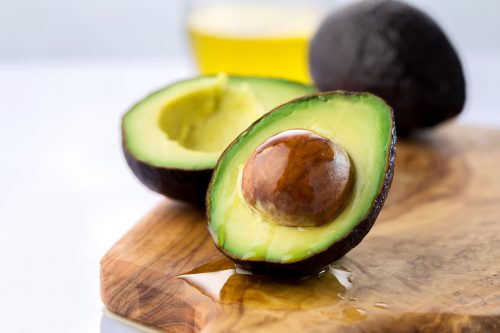
Q: “Does avocado have good or bad fat? How many should you eat in a week? How many calories (kilojoules) does an avocado have and what are the other food values of an avocado?”
Lesley
A: Nutritionist Bronwen King responds:
Most fruit and vegetables are very low in fat. Avocados – a fruit not a vegetable – are the exception, and some people avoid them on this basis as they consider them ‘fattening’. Here’s what you need to know:
- While avocados are around 25 per cent fat, only a small part of this is saturated fat. This high ratio of unsaturated fats to saturated fats – around 4:1 – makes avocados good for heart health. If you are of a healthy weight range or underweight, you can eat them freely.
- While the kilojoule value of avocados is high compared with other fruit or vegetables, it is low compared with butter, spread or cheese – foods which it commonly replaces on bread. For people watching their weight, using avocado as a replacement to other fatty spreads is a sensible choice. Weight for weight, avocado has less than a third of the kilojoules of butter, as well as containing much healthier fats. One tablespoon of avocado contains 150kJ compared to the same amount of butter, with 460kJ.
- It is important, however, to remember that eating whole avocados on a regular basis can contribute to a kilojoule overload. So if you’re watching your weight, take care. An average avocado provides over 1600kJ.
- Apart from the heart-friendly unsaturated fats, avocados are rich in vitamin E, a powerful antioxidant that protects against heart disease and various forms of cancer. Avocados also have folate, (a vitamin that protects against birth defects and heart disease), potassium, and other vitamins and minerals, making them a healthy choice.
- There are no recommendations on how many avocados should be eaten in a week. You can live nutritionally without them so how many you can eat depends primarily on your weight.
Yes, avocados are relatively high in kilojoules and fat, but they contain valuable nutrients including heart-friendly fats. As an alternative to butter or spread on bread, they are a good choice. But because of the high-kilojoule density of avocados, people watching their weight should be mindful of how many they eat.
Avocado recipes you might be interested in:
- Fish tacos with corn and avocado salsa
- Prawn tacos with charred corn, cabbage and avocado
- Creamy avocado and roasted vegetable pasta salad
- Prawn, avocado and peanut rice paper rolls
- Vegan pizza with an olive crust and avocado and butter bean topping
- Chicken avocado warm cobb salad
- Avocado pesto pasta with peas, asparagus and roasted tomatoes
www.healthyfood.com

 Achieve your goals
Unlock your ultimate healthy eating toolkit
Get instant access to everything you need to plan, shop and eat well in one place.

Ask a dietitian!
 Min Saw
APD, B Nutr Diet (Hons)
Min Saw
APD, B Nutr Diet (Hons)
Got a burning question about nutrition you’d love our dietitian to answer in our Ask the Expert column? Submit it here for consideration and we’ll let you know if your question is selected to be published.
Sign up or to send your first question and access over 5300 recipes, advice and more.