The ultimate guide to anti-inflammatory eating
In summary
- Chronic inflammation is linked with immune function and a range of diseases, but it is more strongly tied to overall dietary patterns and lifestyle than to single foods.
- Anti-inflammatory eating means more fibre-rich plant foods, legumes, whole grains, nuts, seeds and oily fish, with healthier unsaturated fats used more often than saturated ones.
- Ultra-processed foods, added sugars, processed meats and alcohol are best kept occasional, alongside lifestyle basics like sleep, stress management and regular movement.
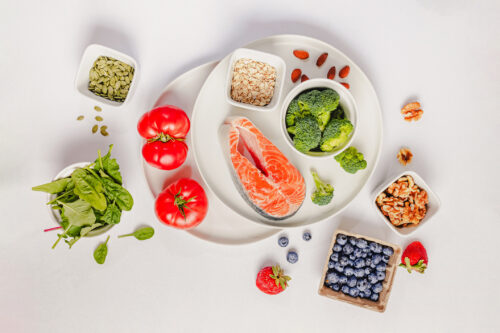
Feeling flat, puffy, achy or foggy and wondering if inflammation could be part of the picture? You’re not alone. Chronic inflammation is tied to immune function and it plays a role in many health conditions, but it is not something you can diagnose from symptoms alone. Here’s what we do know about food, inflammation and the eating patterns that can help.
Inflammation has become one of those health words that gets used everywhere. It is blamed for fatigue, weight gain, aches and pains, brain fog, skin flare-ups, mood changes and more. But the truth is inflammation itself is not the enemy. It is a normal part of our immune response. It helps the body deal with injuries and infections to support the healing process. However when inflammation becomes chronic, it has been associated with a higher risk of a range of diseases. Diet is not a cure but research shows that overall diet quality and lifestyle habits can dampen some signs of inflammation in the body.
This guide is designed to be a practical, evidence-informed reference you can come back to. It looks at what the evidence says, where claims might be overstated and how to build an eating pattern that supports long term health without relying on list of strict rules.
On this page
- What is inflammation?
- Common symptoms of chronic inflammation
- How food influences inflammation
- Lifestyle factors that influence inflammation
- The foundations of anti-inflammatory eating
- Foods to eat more and less of
- Cooking tips that may help
- Why Mediterranean style eating is a helpful blueprint
- A helpful “anti-inflammatory plate” guide
- A simple 3 day starter plan
- FAQs
- Key takeaways
What is inflammation?
Inflammation is the body’s protective response when we are ill or injured. You will recognise acute inflammation when you have a sore throat, a swollen ankle or a cut that becomes inflamed and sore. This is the body’s way of supporting healing, by increasing blood flow to the affected area and bringing in immune cells and other protective factors that help tackle the trigger and start repair.
Chronic inflammation, however, is typically described as persistent, low grade immune activity that can continues over time. It can be influenced by many factors, including genetics, existing health conditions, sleep, stress, smoking, alcohol intake, physical activity, excess body weight and what we eat.
You will see plenty of claims that single foods are ‘inflammatory’ or ‘anti-inflammatory’. The real story is that inflammation is more strongly linked with overall dietary patterns and the broader lifestyle context. This is why headline claims about the ‘one food to avoid’ can be misleading.
If you have symptoms that concern you or you have a diagnosed condition where inflammation plays a role, a GP and an Accredited Practising Dietitian are the best place to start. This guide is for general education and practical eating ideas, not diagnosis.
Common symptoms of chronic inflammation
Inflammation can be hard to pin down because many of the symtoms people put down to inflammation can also have other causes. That said, there are symptoms that are commonly linked with chronic inflammation in research and clinical practice. While these symptoms don’t necessarily have chronic inflammation as the root cause, they can be associated with it. Here are nine to look out for.
- Ongoing fatigue
Persistent tiredness that does not lift with rest can show up alongside chronic inflammation - Brain fog or difficulty concentrating
Feeling mentally sluggish, scattered or slower to think can occur when inflammation is higher - Regular digestive discomfort
Bloating, discomfort or changes in bowel habits can be a sign that inflammation is playing a role in the gut - Joint aches and stiffness
Ongoing stiffness or aches, particularly if not explained by a recent injury, may be linked with inflammation. Weight, activity levels and underlying conditions can all contribute - Skin flare-ups
Rashes, redness or flare-ups of conditions, such as eczema and psoriasis, may be linked with immune activity and inflammation - Slow healing
Cuts and bruises that seem to linger longer than usual may suggest the body’s repair processes are not running as smoothly, which may be associated with inflammation - Frequent infections
Getting sick often, or feeling like you catch every bug that goes around, can happen when the immune system is under pressure, including from ongoing inflammation - Mood changes
Low mood, irritability or anxiety may be associated with inflammation in some people, particularly via gut–brain pathways - Weight gain around the middle
Carrying more weight around the abdomen is associated with higher inflammatory markers and can contribute to a cycle of inflammation over time.
How food influences inflammation
Food is unlikely to make a noticeable difference to inflammation after a single meal. Where diet matters most is the pattern you eat most days over weeks and months. In general, eating patterns linked with lower inflammation tend to include:
- plenty of vegetables, fruit, whole grains, legumes, nuts and seeds
- olive oil and other unsaturated fats more often than butter, cream and deep-fried foods
- fewer ultra-processed snacks, takeaway meals and sugary drinks
- slow-burning carbohydrates that come with fibre, which can help keep energy and appetite steadier
- habits that support a healthy weight over time (if managing weight is a goal)
Lifestyle factors that influence inflammation
Food matters, but it is only one part of the picture. Sleep, stress and movement all shape inflammation levels over time and they can also influence appetite and food choices, which is why they are worth mentioning in an eating guide.
- Sleep: Aim for a consistent sleep routine where you can. Even small improvements can help if sleep has been patchy
- Stress: There is no perfect ’anti-stress diet’, but regular meals, enough fibre and protein and cutting back on ultra-processed foods and alcohol can support steadier energy. If stress is ongoing, practical support matters just as much as nutrition. See our article on 5 ways to manage stress here
- Movement: Regular movement is essential for mental and physical health. This can include walking, resistance training, yoga or simply breaking up long sitting periods
- Smoking: If you smoke, support to quit is one of the most powerful changes you can make for long term health, including inflammation.
- Alcohol: Alcohol interferes with the body’s immune response, which also contributes to inflammation
The foundations of ‘anti-inflammatory’ eating
- Fibre first
Many people fall short of daily fibre targets. Aim for around 30g a day, with variety across the week. Try oats or wholegrain toast, add legumes a few times a week, include veg at breakfast, lunch and dinner and make fruit, veg and nuts a feature in snacks.
- Choose healthier fats, more often
Anti-inflammatory eating patterns tend to favour healthy unsaturated over saturated fats. Use extra-virgin olive oil, nuts, seeds and avocado more often than butter and animal fats, choose oily fish regularly and keep deep-fried foods and takeaways as occasional treats.
- Boost your plant intake
More plant foods usually means more fibre and a wider mix of nutrients. Aim for different colours across the week, rotate your vegetables and fruit,add legumes and opt for whole grains over refined grains.
- Prioritise protein
A mix of proteins can help keep meals balanced. Include fish and legumes regularly, add eggs and yoghurt if they suit you, choose lean meats in moderation and keep processed meats as very occasional.
Foods to eat more of, and less of
Eat more: Vegetables and fruit
This is the easiest place to start because eating more fruit and veg lifts fibre and overall diet quality. Aim to include vegetables at breakfast, lunch and dinner and add fruit as snacks or dessert.
Try:
- adding a vegetable to breakfast, such as spinach with eggs or tomatoes with toast
- keeping frozen vegetables on hand for quick meals
- adding salad greens to lunches
- using berries more often when you feel like something sweet.
Eat more: Whole grains and fibre rich carbohydrate choices
Choosing higher fibre carbohydrates more often can help support steadier energy and a gut-friendly eating pattern.
Good options include:
- oats, barley, quinoa, brown rice and wholegrain pasta
- wholegrain breads and wraps
- legumes, which count as both carbohydrate and protein.
Eat more: Legumes
Legumes are one of the most useful foods in an anti-inflammatory eating pattern. They are fibre rich, affordable and easy to add to familiar meals.
Try :
-
- stirring lentils through bolognese, soups, curries and casseroles
- adding chickpeas to salads and tray bakes
- using beans in chilli, tacos and burrito bowls
- keeping hummus in the fridge for snacks and quick lunches.
Eat more: Nuts and seeds
A small handful can add healthy fats, fibre, vitamins and minerals to meals.
Try:
-
- adding chia or flaxseed to oats or yoghurt
- keeping nuts in your bag or desk for snacks
- sprinkling seeds over salads, soups or roasted vegetables.
Eat more: Fish and seafood
If you eat fish, aim for two portions a week, especially oily fish. Canned fish is affordable and counts too.
Try:
-
- using canned salmon or sardines on toast or in salads
- adding tuna to wraps and bowls
- planning one fish dinner a week, to start.
Try: Fermented foods and yoghurt
Include yoghurt and other fermented foods to support your gut microbiome.
You might like:
-
- yoghurt with fruit and nuts
- kefir in smoothies
- a small serve of sauerkraut or kimchi alongside meals.
What to keep as occasional foods
Eat less: Ultra-processed foods
Ultra-processed foods are often low in fibre and higher in refined carbohydrate, saturated fats and salt. When they become a daily habit, they can crowd out the foods that support gut health and overall diet quality.
Eat less: Added sugars and refined carbohydrates
Keeping under daily sugar limits of five teaspoons a day, for adults, is recommended, but you don’t need to cut it out completely. The easy wins are swapping sugary drinks for water and choosing wholegrain, higher fibre options more often..
Eat less: Processed meats and saturated fat heavy choices
Processed meats are best kept as very occasional.. Red meat can still fit, but portion size and frequency matter. See our portion size chart for guidance on healthy food portions. If these foods are regular for you, shift the balance by choosing olive oil, nuts, seeds, avocado, legumes and fish more often.
Drink less: Alcohol
If you drink, staying within safer drinking guidelines is a sensible move. Alcohol intake is associated with increased inflammation and it can also affect gut health, including gut barrier function. Alcohol can disrupt sleep and appetite too, which can make healthy eating feel harder.
Cooking tips that may help
How you cook does not matter as much as what you eat, overall, but it can make a difference at the margins. Very high heat cooking, particularly when meat or potatoes are heavily browned or charred, can increase compounds linked with inflammation. The aim is not to avoid barbecues forever, just to cook a little more gently most of the time.
A few simple tips:
- use lower heat methods more often, such as steaming, poaching, stewing, baking and slow cooking
- if you barbecue or grill, cook over moderate heat and avoid heavy charring
- marinate meat before grilling (lemon juice or vinegar-based marinades are an easy option)
- grill vegetables too, but cook until tender rather than blackened.
Why Mediterranean-style eating is a helpful blueprint
If you are looking for an evidence-based way to eat that aligns with anti-inflammatory principles, Mediterranean-style eating is a strong starting point. It is not a strict diet. It is simply a pattern that tends to be higher in plant foods and fibre, uses healthier fats more often and keeps ultra-processed foods as occasional.
What it looks like on the plate:
- vegetables the focus of every meal, with fruit as a regular snack or dessert
- legumes and whole grains most days
- extra-virgin olive oil as the main cooking and dressing fat
- nuts and seeds most days
- fish and seafood weekly
- poultry, eggs and dairy in moderate amounts
- red meat las more of a garnish and processed meats as very occasional
- fewer sugary drinks and ultra-processed snack foods.
A helpful ‘anti-inflammatory plate’ guide
- half the plate: colourful vegetables
- one quarter: protein
- one quarter: whole grains or starchy vegetables
- add a healthy fat.
A simple three-day starter plan
Day 1
Breakfast: Mixed berry overnight oats
Lunch: Light lemon and herb fish with mixed-bean salad
Dinner: Nut and seed-crusted salmon with brown rice pilaf
Snack ideas: fruit and a small handful of nuts and yoghurt
Day 2
Breakfast: Tomato and avocado scrambled eggs
Lunch: Winter lentil soup
Dinner: Pumpkin, cauliflower and spinach curry with quinoa
Snack ideas: veggie sticks with hummus or fruit and yoghurt
Day 3
Breakfast: Mixed berry overnight oats
Lunch: Mixed bean and tuna salad
Dinner: Chicken, vegetable and barley soup (slow cooker)
Snack ideas: berries, nuts and yoghurt with cinnamon
FAQs
Do I need to cut out gluten?
Not unless you have coeliac disease or have a gluten sensitivity. If you are unsure, start by improving overall diet quality first (more fibre, more whole foods, fewer ultra-processed foods). If symptoms persist, speak with your GP before trialling restrictions.
Do I need to cut out dairy?
Not for inflammation in general. If dairy works for you, yoghurt and milk can be useful sources of protein and key nutrients. If you suspect it does not agree with you, visit your GP for advice. If you avoid dairy, replace it with calcium-fortified alternatives.
Is coffee inflammatory?
For most people, coffee can fit within a healthy eating pattern. A practical limit is up to 2–3 coffees a day, earlier in the day if sleep is an issue. The bigger impact often comes from what is added to coffees. Keep added sugar occasional and consider side-stepping syrups and whipped cream most days.
What about tea and energy drinks?
Tea is generally an easy swap if you want less caffeine, but it’s not caffeine free. Energy drinks are better kept very occasional, especially if they are high in sugar or you use them to push through poor sleep.
Do I need supplements?
Most people will get more benefit from healthy food and lifestyle foundations than from supplements. If you are considering supplements for inflammation (for example fish oil, turmeric), it is worth checking first with your GP or dietitian, especially if you take medications or have a health condition.
Can I still eat red meat?
Yes, red meat is a good source of protein and important nutrients. The ley is be mindful of frequency and portion size (no more than 100g raw, a few times a week) and keep processed meats very occasional. If red meat is a regular default, aim to swap in fish or legumes for a couple of meals a week.
Are nightshades inflammatory?
For most people, no. Nightshades such as tomatoes, potatoes, capsicums and eggplant are nutritious foods and do not need to be avoided. If you strongly suspect they trigger symptoms for you, get advice from a qualified dietitian before eliminating anything from your diet. If you have a diagnosed autoimmune condition, such as inflammatory bowel disease or rheumatoid arthritis, or you are considering multiple eliminations at once, it is best done with a dietitian.
Key takeaways
An ‘anti-inflammatory diet’ is best understood as an overall eating pattern, not a strict rule book. If you want the simplest version:
- eat more fibre-rich plant foods
- choose healthier fats more often
- keep ultra-processed foods, sugary drinks and processed meats as occasional
- support the lifestyle basics, including sleep, stress management, movement and limiting alcohol
An anti-inflammatory diet is best thought of as the way you eat most days, not a short-term fix. Some people notice changes such as steadier energy or improved digestion within around two to four weeks, particularly when they increase fibre and cut back on ultra-processed foods. Other benefits take longer, so think in months rather than days. Start with one change you can stick with, give it a few weeks, then build from there.
Want more information on this topic? Check out our related content:
- Soothing food: Mediterranean inspired recipes to soothe inflammation
- Do nightshades cause inflammation?
Article sources and references
- Chronic inflammation in the etiology of disease across the life spanhttps://www.nature.com/articles/s41591-019-0675-0
- Chronic Inflammationhttps://www.ncbi.nlm.nih.gov/books/NBK493173/
- The Effects of Diet on Inflammation: Emphasis on the Metabolic Syndrome https://www.sciencedirect.com/science/article/pii/S0735109706013350
- Dietary patterns and associations with biomarkers of inflammation in adults: a systematic review of observational studies https://nutritionj.biomedcentral.com/articles/10.1186/s12937-021-00674-9
- Effects of Dietary Patterns on Biomarkers of Inflammation and Immune Responses: A Systematic Review and Meta-Analysis of Randomized Controlled Trials https://www.sciencedirect.com/science/article/pii/S2161831322005312?via%3Dihub
- Effects of Whole-Grain Consumption on Selected Biomarkers of Systematic Inflammation: A Systematic Review and Meta-analysis of Randomized Controlled Trials https://www.tandfonline.com/doi/full/10.1080/07315724.2018.1490935
- Dairy products and inflammation https://www.tandfonline.com/doi/full/10.1080/10408398.2014.967385
- The effect of probiotics on inflammatory biomarkers: a meta-analysis of randomized clinical trials https://link.springer.com/article/10.1007/s00394-019-01931-8
- The Effect of Dietary Interventions on Chronic Inflammatory Diseases in Relation to the Microbiome: A Systematic Review https://www.mdpi.com/2072-6643/13/9/3208
- Overview of anti-inflammatory diets and their promising effects on non-communicable diseases https://www.cambridge.org/core/journals/british-journal-of-nutrition/article/overview-of-antiinflammatory-diets-and-their-promising-effects-on-noncommunicable-diseases/AA3166846841DCC1B219C063F52E2A7F
- Does the Mediterranean Diet Protect against Stress-Induced Inflammatory Activation in European Adolescents? The HELENA study https://www.mdpi.com/2072-6643/10/11/1770
- Yu X, Pu H, Voss M. Overview of anti-inflammatory diets and their promising effects on non-communicable diseases. Brit Jour of Nutr. 2024;132(7):898-918. doi:10.1017/S0007114524001405
www.healthyfood.com

 Achieve your goals
Unlock your ultimate healthy eating toolkit
Get instant access to everything you need to plan, shop and eat well in one place.