Healthy ageing: Why you need protein at every meal
In summary
- Protein needs actually increase as we age, helping maintain muscle strength, immune function and wound healing.
- Those over 65 should eat at least one gram of protein per kilogram of body weight each day, spread across meals.
- Convenient options like eggs, yoghurt smoothies, cooked chicken, canned fish, legumes and cheese make it easier to boost protein intake.
Protein intake, ideally spread across the day, has many beneficial health effects that can help you maintain independence as you age.
Contrary to what many people believe, there are some nutrients we need more of as we age, and protein is one.
Eating enough protein-rich food every day will keep our muscles and skin strong, support our immune system, help us after illness and assist with wound healing.
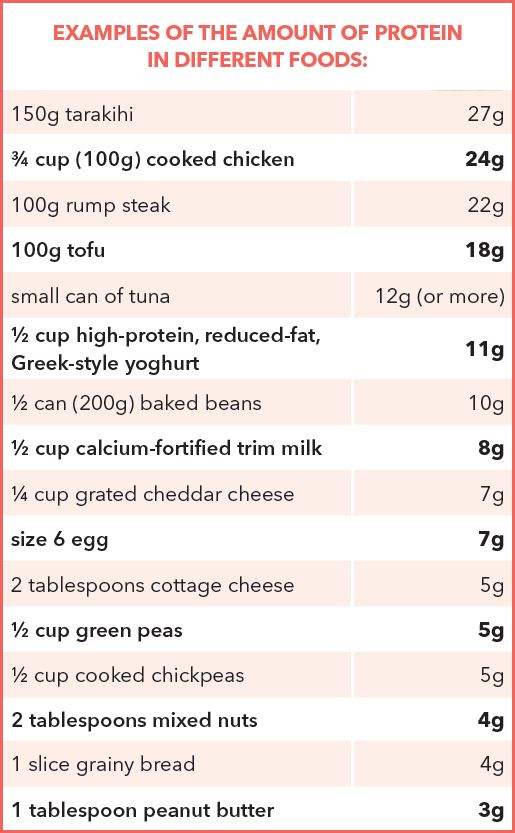
If you’re over 65 years old, the recommendation is to eat one gram of protein for every kilogram of body weight, each day. This means an 80kg man would require at least 80g of protein a day.
Eating recommended amounts of protein will help prevent muscle wasting and deterioration in muscle strength in general. Also, distributing protein across meals throughout each day has been associated with greater muscle strength in older people. Loss of muscle strength is one of the main reasons older people lose their independence.
Protein needs can be higher again for older people with chronic disease and a high risk of malnutrition. A comprehensive dietitian’s assessment will identify the extra protein needed and how to get it.
Practical tips to help you get enough protein:
- Include protein-rich foods in your snacks and across your three main meals.
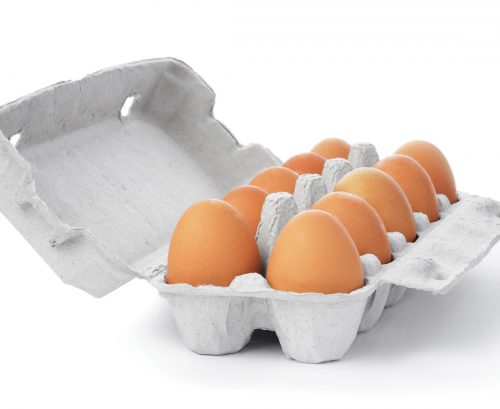
- Eggs are convenient protein packages to start your day. Milk and yoghurt-based smoothies are also convenient for breakfast or snacks after exercise.
- Buying cooked protein foods, such as chicken, meat and canned fish, lentils, chickpeas and beans, can save time and provide rich protein sources for putting in sandwiches, on crackers, or as additions to salads and soups. Cheese is also a good source of protein and can be added to cooked vegetables, sauces or a toasted sandwich. Try a commercially available grated cheese for convenience.
Article sources and references
- Ministry of Health. 2013. Food and nutrition guidelines for healthy older people: A background paper. Wellington: Ministry of Health
- Volkert D et al. 2018. ESPEN guideline on clinical nutrition and hydration in geriatrics. Clinical Nutrition 38:10-47
www.healthyfood.com

 Achieve your goals
Unlock your ultimate healthy eating toolkit
Get instant access to everything you need to plan, shop and eat well in one place.

Ask a dietitian!
 Min Saw
APD, B Nutr Diet (Hons)
Min Saw
APD, B Nutr Diet (Hons)
Got a burning question about nutrition you’d love our dietitian to answer in our Ask the Expert column? Submit it here for consideration and we’ll let you know if your question is selected to be published.
Sign up or to send your first question and access over 5300 recipes, advice and more.