Ask the experts: Self-raising flour
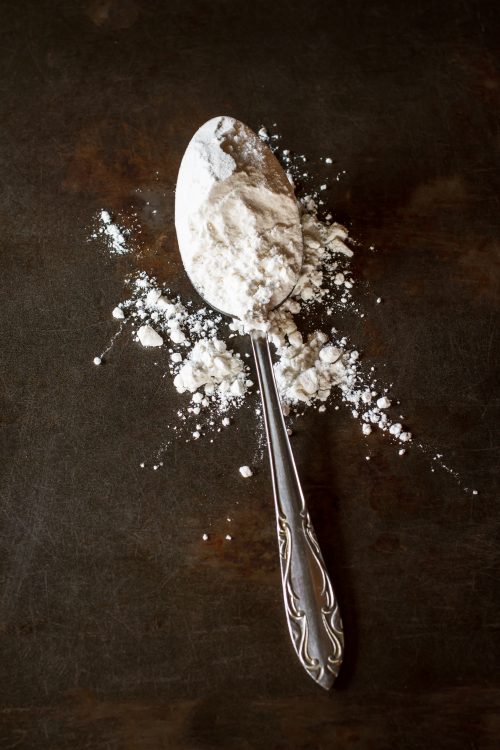
Q: "What can you substitute for self-raising flour? Does it make a difference for scones?"
(Name not supplied)A: Nutritionist and chef Bronwen King responds:
"Recipes many years ago did not use self-raising flour; instead they used plain flour with added raising agents. Early raising agents were bicarbonate of soda, more commonly known as baking soda and cream of tartar, which is also known as tartaric acid. With liquid and heat, baking soda and cream of tartar react to produce carbon dioxide, which bubbles up through a batter or dough to raise it. Baking powder is actually a combination of baking soda and cream of tartar. Self-raising flour is simply flour to which baking powder has been added.
If a recipe calls for self-raising flour and you don't have it, all you need to do is add 2 teaspoons of baking powder for each cup of plain flour used. Whether you do this or use self-raising flour should make no difference to the quality of baked goods likes scones, providing you use an all-purpose plain flour not high-grade or bread flour (which may make the product tough)."
www.healthyfood.com

 Achieve your goals
Unlock your ultimate healthy eating toolkit
Get instant access to everything you need to plan, shop and eat well in one place.

Ask a dietitian!
 Min Saw
APD, B Nutr Diet (Hons)
Min Saw
APD, B Nutr Diet (Hons)
Got a burning question about nutrition you’d love our dietitian to answer in our Ask the Expert column? Submit it here for consideration and we’ll let you know if your question is selected to be published.
Sign up or to send your first question and access over 5300 recipes, advice and more.