In season early winter: Rhubarb
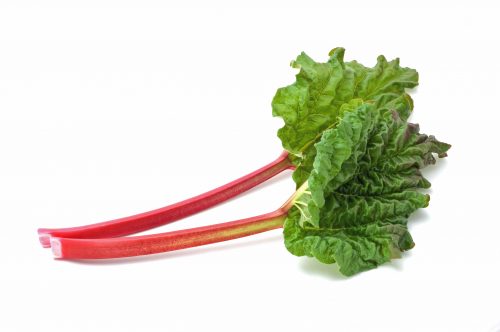
While rhubarb is a vegetable, it’s most often treated as a fruit – it can’t be eaten raw and needs a sweetener to get rid of any tartness.
Buying
Colour makes a difference to the rhubarb taste: the redder the stalk, the sweeter the ‘fruit’. Ripped out rather than cut stalks are also preferable, as the cut stalks will dry out more quickly. Keep rhubarb for up to a week stored in a plastic bag in the fridge. Rhubarb (raw or cooked) freezes well, too.
Nutrition
Rhubarb contains oxalates which can inhibit absorption of calcium and iron, although at the amounts most people enjoy in their diets, this is not likely to be of great concern. Rhubarb is also a good source of fibre.
Using
Remove the roots and leaves from rhubarb, and wash stalks thoroughly to remove any dirt. Trim ends and peel, if desired. Because of the acidic nature of rhubarb, cook only in non-aluminium pots. Rhubarb is great in crumbles, it goes well with stewed apples and pears, and for something different, use sweetened, puréed rhubarb as a tasty complement to meat and poultry.
Tip
Before cooking, soak rhubarb in water with a pinch of baking soda to offset any acidity and bring out the sweetness.
www.healthyfood.com

 Achieve your goals
Unlock your ultimate healthy eating toolkit
Get instant access to everything you need to plan, shop and eat well in one place.