These 10 healthy hacks make transforming your health effortless – especially with our five top tips on how to become a goal getter.
Last year, three out of four of us set resolutions in January, and if you were one of them, it’s a safe bet that something health related was on top of your list. People resolved to take a holiday, be more environmentally conscious or save money, but it was vowing to live a healthier lifestyle that nearly one in two resolution-setters settled on.
Take a look at some stats and it’s not surprising that health is on so many radars when the new year rolls around. In Australia there’s been a shift in how people view diet – increasingly it’s seen as the path to overall wellness rather than just a weight-loss tool. In New Zealand, a ‘healthization’ trend is gaining popularity, with young people viewing health as an all-encompassing mantra. Saying no to alcohol is rising in both countries too, and 44 per cent of Australian drinkers want to make a change.
Still, 78 per cent of adults aren’t doing enough exercise, one in two has sleep-related problems and most eat only half the recommended amount of vegetables each day.
But do resolutions really work? Well, it’s complicated. Research suggests only one or two people in 10 achieve their resolutions, with 80 to 90 per cent abandoning them before February. Yet people who set New Year’s resolutions are 10 times more likely to change their behaviour than those who don’t.
The key to success? It’s not just choosing meaningful goals, it’s setting them the right way.
To give you a head start, we’ve put together 10 lifestyle tweaks that anyone’s health will benefit from. Each is science-backed and comes with a Healthy Food Guide tip to help you make it happen.
1 Eat your ‘5-plus-a-day’
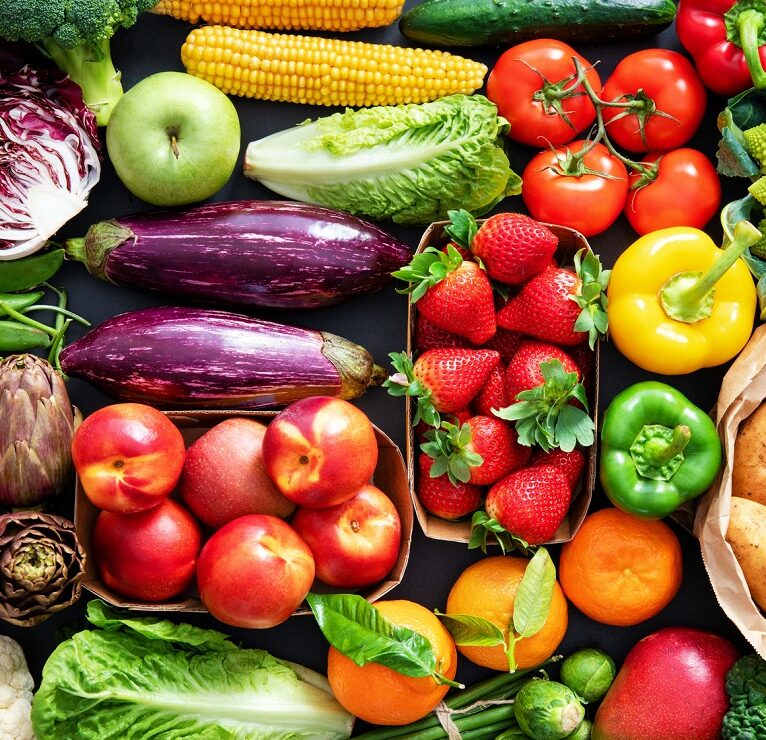
The fact that eating enough vegies is good for you isn’t news, but new research and stats show just how much of a health kick it can deliver. On its own, eating at least five serves of vegetables daily can reduce the risk of heart disease by nearly 17 per cent and improve sleep quality by roughly the same amount.
HFG tip to make it stick: A University of South Australia study shows that the
simple act of using an app to track your intake can help you eat 20 per cent more vegetables, minimal effort required. Check out mobile apps like Daily 5: Healthy Eating Habits or the web-based app veghunter.com.

2 Give your social media feed a prune
Unfollow accounts that leave you feeling worse about yourself, whether they chip away at your body image, self-esteem or sense of self-worth. Research shows this kind of conscious curation genuinely protects mental health if you make it a regular habit.
HFG tip to make it stick: Add a monthly ‘prune day’ to your calendar to take 10 minutes to scroll through your feed and identify anything that doesn’t serve your well-being. If viewing a post makes you feel inadequate or anxious, that’s your cue to hit unfollow.

3 Watch one episode at a time
Streaming services make it tempting to watch an entire series in one or two sittings, but research shows binge-watching steals sleep, increases stress and raises the risk of depression and anxiety. Watch one episode at a time instead – research also suggests you’ll benefit from the mental health boost that anticipating the next episode delivers.
HFG tip to make it stick: ‘If-then’ planning can help. For example ‘if I see the end credits scrolling after finishing an episode, then I’ll shut my streaming service down and do something else’.
4 Go for nuts every day
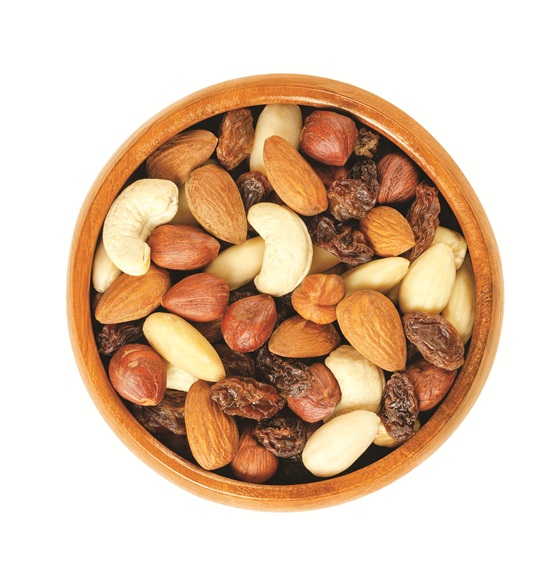
Research from Monash University shows that daily nut consumption is linked to living a longer life without dementia, while another study found people who ate nuts every day had fewer functional limitations and reported better physical health compared to people whose diets were nut-free. The target to aim for is 30g of unsalted nuts a day, the equivalent of 25 almonds or about 10 walnuts.
HFG tip to make it stick: Portion serves of nuts into seven small containers at the start of the week and use them to snack on each day.

5 Take photos of your food
Research from Curtin University shows that snapping your breakfast, lunch and dinner with your phone before you tuck in helps you subconsciously remember what you’ve eaten more accurately. The benefit? Boosting your ‘food memory’ can help improve how nutrient dense your diet is, by nudging you to make healthier choices.
HFG tip to make it stick: Create an album on your phone just for food photos – you don’t have to share them with anyone, they’re purely for your own awareness. And make an if-then plan: ‘if I have a plate of food in front of me, then I’ll take a quick pic of it before I start eating’.

6 Wake up at the same time
Adults in Australia report having enough energy less than 50 per cent of the time, and one of the main causes is what experts call an ‘epidemic of sleep deprivation’. One contributor to that is how sleeping in disrupts your body’s sleep-wake cycle, so it helps to commit to waking up at the same time every day.
HFG tip to make it stick: Set your alarm on your phone and place it across the room so you physically have to get out of bed to silence it. Once you’re up, immediately expose yourself to some bright light – open the curtains, step outside or just turn on the lights. Research confirms that it’s another habit that helps regulate your sleep-wake cycle.
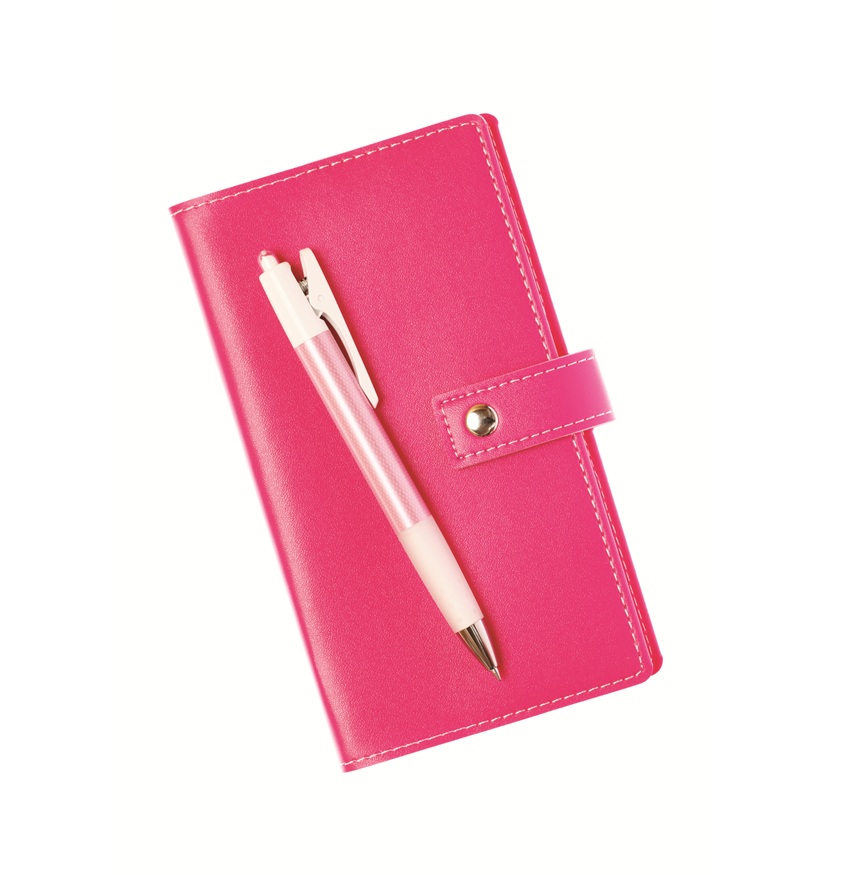
7 Write about the tough stuff
Studies show that writing about events that are stressful, sad or traumatic can reduce your risk of getting sick, improve outcomes if you’re living with a chronic disease and can even help physical wounds heal faster. Why? Writing about upsetting things triggers beneficial brain changes and supports the immune system.
HFG tip to make it stick: Keep a notebook and pen on your bedside table so you’re reminded to write for a few minutes before bed on days where you’re processing something difficult – if-then planning can help make this become a habit, too. Plus, sleep experts say doing a ‘brain dump’ like this just before bed may even equal a better night’s sleep.
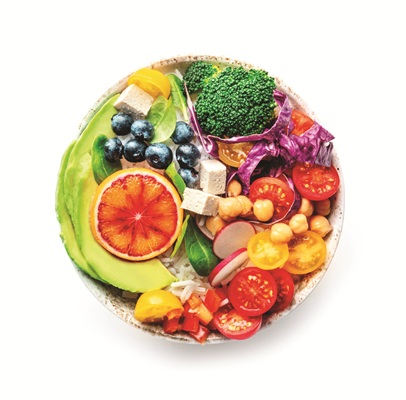
8 Fill your plate with colour
A study tracking more than 120,000 people over a decade revealed that those who eat a wide variety of flavonoid-rich foods – think berries, apples, grapes, kale and tomatoes – have greater protection against a number of diseases than people who consume the same volume of antioxidants by sticking to one or two food sources. The researchers recommend making the effort to eat fruits and vegetables in a variety of colours.
HFG tip to make it stick: Do what you can to ‘gamify’ this goal. You could allocate a colour to eat to every day of the week, or lean on tech that makes it fun, like the Eat the Rainbow Food Journal app.

9 Say hello to strangers
Compared with people who avoid talking to strangers, research shows those who make a habit of having brief interactions with people they don’t know report higher levels of life satisfaction. Every hey, hi, or hello has an impact because it helps you feel like you belong to a community.
HFG tip to make it stick: Set yourself the challenge of greeting at least one stranger a day. It might be someone out for a walk at the same time as you, a neighbour you haven’t met, the barista, someone in the lift – once you start looking, the opportunities are endless. Make eye contact, smile and say hello. It’s a two-second task that could benefit you both.

10 Make the most of your ‘movement minutes’
When you’re going about daily tasks that involve moving around, up the ante to get a bit of huff and puff on. In an Australian study, researchers discovered that just three to four one-minute bursts of vigorous intermittent lifestyle physical activity per day delivered significant health benefits, including a 40 per cent reduction in all-cause mortality.
HFG tip to make it stick: At the start of each day, identify three or four to-do list items where you could make this work – it might be vacuuming, doing the grocery shop or walking to the train. Pre-selecting your ‘burst moments’ means you’re more likely to follow through.
5 ways to be a goal getter
Compared with making a resolution on any old day, research shows that planning to make a healthy change at the beginning of a new year is more likely to produce results, but the trick is knowing how to set yourself up for success.
❋ Focus on one or two goals at a time. Our brains struggle to implement multiple behaviour changes at once, so start small and build from there once they become habits.
❋ Choose ‘do’ rather than ‘don’t’ goals. ‘Approach goals’ that focus on actions you’ll take are more effective than ‘avoid goals’ because they give your brain something concrete to work towards.
❋ Use ‘if-then’ planning. Research shows if-then plans encourage healthier habits to form by drilling down into the ‘when’, ‘where’ and ‘how’ of a behaviour. For example: ‘if I arrive home feeling too tired to cook, then I’ll make a quick omelette instead of ordering takeaway’.
❋ Set the right standards. We often create rigid standards around goals where anything less than perfect feels like failure. Instead, let every move in the right direction count as progress. Rather than ‘I must exercise five days a week or I’ve failed’, try ‘I’m working towards five days, but every session is a win’.
❋ Piggyback new habits onto life changes. A great time to break old habits is when your environment is changing – like moving house or starting a new job. Transitions disrupt routines, making new patterns easier to establish.
Article sources and references
- Compare the Market. 2025. Year of the health kick: Australia’s top 2025 New Year’s resolutions revealed. Available at comparethemarket.com.au
- Finder. 2025. New Year’s resolutions 2025. Available at finder.com.au
- Flinders University. 2025. Drinking through the generations. Available at flinders.edu.au
- Heart Foundation. 2025. Key statistics: cardiovascular disease. Available at heartfoundation.org.au
- He M et al. 2023. Shine light on sleep: morning bright light improves nocturnal sleep and next morning alertness among college students. J Sleep Res. 32(2):e13724.
- Monash University. 2024. Regularly eating nuts supports healthy lifespan in older Australians. Available at monash.edu.
- Norcross JC et al. 2002. Auld lang syne: success predictors, change processes, and self-reported outcomes of New Year’s resolvers and nonresolvers. J Clin Psychol. 58(4):397–405.
- NPR. 2010. Willpower and the ‘slacker’ brain. Available at npr.org
- Nuts for Life. 2025. New research: August 2025. Available at nutsforlife.com.au.
- ScienceDaily. 2024. Swipe up! Health apps deliver real results en masse. Available at sciencedaily.com.
- ScienceDaily. 2025. Tea, berries, dark chocolate and apples could lead to a longer life span, study shows. Available at sciencedaily.com
- University of Auckland. 2025. When your whole life is a health project. Available at auckland.ac.nz.
- Wang G et al. 2021. A meta-analysis of the effects of mental contrasting with implementation intentions on goal attainment. Front Psychol. 12:565202.
www.healthyfood.com