How much vitamin C in juice?
It’s one of the biggest selling points of fruit juice — but the amount you’re actually getting can come as a surprise.
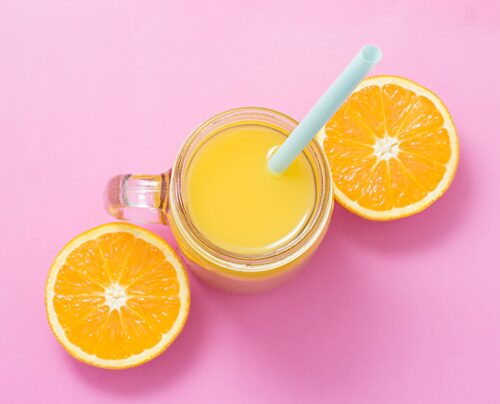
When it comes to vitamin C levels in juice, it all depends on the fruit used, how it’s made and how fresh it is when you drink it. Take freshly squeezed orange juice – it can have more than 50mg of vitamin C per 100ml, which can help you achieve your daily needs in just one small glass. But other juices, especially ones that can be stored at room temperature, can have much less.
Fresh vs heat-treated juice
Freshly squeezed juice usually wins when it comes to vitamin C, especially if you drink it soon after juicing. That’s because vitamin C doesn’t like heat, light or air. For example, UHT
(ultra-high temperature) juices are heated so they’ll last longer, but the process knocks out some of the vitamin C. Many companies add it back in, so it’s worth checking the label.
Juice blends
Not all juices start out high in vitamin C. Apple, grape and pear juices naturally have very little, which is why blends are often fortified. If you spot ‘vitamin C added’ or ascorbic acid on the label, that’s your clue it’s been boosted. It’s not a bad thing – fortification simply means the vitamin has been added back in, so you’re still getting the benefits!
Storage matters
Even in the fridge, vitamin C slowly fades over time. For the biggest benefit, drink juice soon after buying or opening it.
It’s not just about vitamin C – watch the sugar too
Even 100 per cent fruit juice contains natural sugars – which means kilojoules without the filling fibre of whole fruit.Opt for products with less than 15g sugar per 100ml and enjoy a small glass (about 125ml) rather than a giant glass.
Juice can fit into a healthy diet – but go small
A little juice can help boost vitamin C and other nutrients, especially for kids or adults who find it hard to get enough fruit. Just keep portions small, have no more than one per day, and choose quality over clever marketing. When in doubt, grab a whole orange or kiwifruit — you’ll get the vitamin C, plus fibre and less sugar per bite.
Our dietitian’s top tips
➜ 100 per cent juice and no added sugar
➜ Less than 250kJ per 100ml
➜ Less than 15g sugar per 100ml
➜ At least 40mg vitamin C per 100ml
www.healthyfood.com

 Achieve your goals
Unlock your ultimate healthy eating toolkit
Get instant access to everything you need to plan, shop and eat well in one place.