Everyday shopping: Dairy desserts
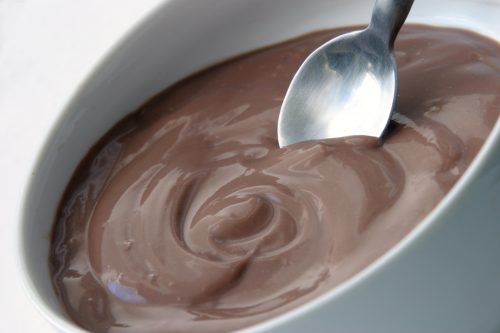
We take a look at those other pottles in the dairy section of your supermarket.
We know yoghurt is good food – assuming we choose a variety that’s not too high in sugar or fat – but what about the other attractive-looking dairy products?
For kids
Dairy food is made from milk and sugar with added flavouring and colour, usually using starch as a thickener. Some products like this are also described as ‘custard’. Yoghurt, on the other hand, is a fermented milk product.
You’ll find dairy food, custard and yoghurt packs covered with graphics and styles that are very appealing to younger children.
Are they healthy?
Because they are milk-based, these products are a good source of calcium and other nutrients for children’s diets. These are all low-fat products but there is a concern with the amount of added sugar.
You’re best to compare the per serve nutrition information rather than the per 100g column on the pottle as these products are all in single-serve containers.
Some of the sugar in dairy products is the natural milk sugar, lactose. For comparison, 150ml of trim milk contains 8g (natural) sugar and a 150ml pottle of unsweetened yoghurt would have around 5g (natural) sugars. A fruit yoghurt will have more natural sugar again, and many yoghurts will have added sugar as well.
For adults
Products for grown-ups range from the decadent to the dainty. Again, because they’re dairy-based, these products will add to your daily calcium intake, although less than milk or yoghurt. One serve of one of the products we had, had 8-13% of an average adult’s daily needs.
Some products are probably best saved for a treat. We observed how some may be low in saturated fat (less than 1g), but is put it into the dessert or ‘treat’ category because of the high sugar content in a 150g pottle. At over 500kJ, you could argue for having it as a snack if you have little sugar in the rest of your day – but keep in mind many sugars are hidden. If they’re higher in saturated fat as well as being high in sugar, they are not everyday foods. But that doesn’t mean you can’t ever treat yourself.
Dairy food checklist
Kids
- Think of dairy food as a treat.
- Don’t use in place of other dairy products like milk or yoghurt.
- Use ‘per serve’ as a guideline, not per 100g and compare products side by side.
- Look for lower sugar.
- Look for higher calcium.
Adults
- Think of dairy desserts as treats.
- Use ‘per serve’ as a guideline, not per 100g and compare products side by side.
- Look for higher calcium.
- Look for lower saturated fat.
- Look for less than 20g sugar per serve.
www.healthyfood.com

 Achieve your goals
Unlock your ultimate healthy eating toolkit
Get instant access to everything you need to plan, shop and eat well in one place.