Allergies or intolerances
What allergens must be identified on labels and what terms to look for.
People who are allergic to different foods or food products can have very serious, life-threatening reactions.
Therefore foods containing the most common allergens must carry a statement to tell you they are present.
Manufacturers must also identify any opportunities for cross-contamination when products containing allergens are produced or packaged on the same production line as those which don’t contain them.
In this case you might see a statement like, ‘Made on equipment that also processes products containing milk, fish and crustacea”.
These are the allergens that must be identified:
- Cereals containing gluten and their products, namely, wheat, rye, barley, oats and spelt
- Crustacea and crustacea products (eg. crabs, prawns)
- Eggs and egg products
- Fish and fish products
- Milk and milk products
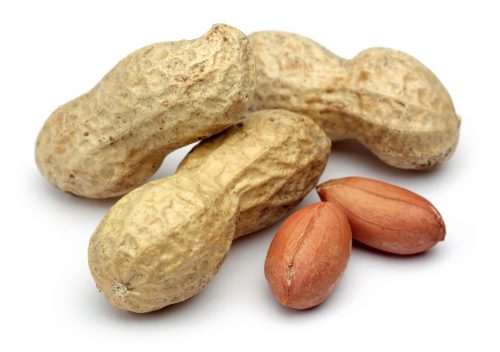
- Peanuts, soy beans and their products
- Added sulphites (in concentrations of 10mg/kg or more)
- Tree nuts and sesame seeds and their products
Can ‘traces’ of nuts really be all that dangerous?
Unfortunately, yes.
A food allergy is an adverse immune response to a food protein. The person develops antibodies that cause an allergic reaction if they are exposed to the food, eaten, touched or even inhaled.
Often allergic reactions are fairly mild: the person might develop hives or a rash, some swelling, or have stomach pains and vomiting.
But people can have a severe allergic reaction called anaphylaxis.
This is a life-threatening emergency: it can come on very quickly and people at risk usually carry a life-saving adrenaline auto-injector with them at all times, eg. EpiPen®.
If you’re allergic to milk, look out for these ingredients:
Butter, buttermilk, casein, caseinate, cheese, cream, crème frâiche, cows’ or goats’ milk, ghee, milk powder, whey, margarine (some).
Milk products may turn up in unexpected places; bakery foods are sometimes glazed with egg or milk and casein can be used as a binder in meat products, ‘restructured’ salmon and imitation seafood (like surimi).
If you’re allergic to soy, look out for these ingredients:
Bean curd, hydrolised vegetable protein, textured vegetable protein (TVP), edamame, lecithin, miso, natto, soy bean paste, soy flour, soy lecithin (emulsifier 322), shoyu, soy protein, tamari, tempeh, tofu, vegetable gum.
If you’re allergic to gluten, look out for these ingredients:
Barley, bulgar, couscous, durum wheat, farina, flour, kamut, oat, polenta, semolina, spelt, triticale.
www.healthyfood.com

 Achieve your goals
Unlock your ultimate healthy eating toolkit
Get instant access to everything you need to plan, shop and eat well in one place.