Science update: Why overeating makes you sleepy?
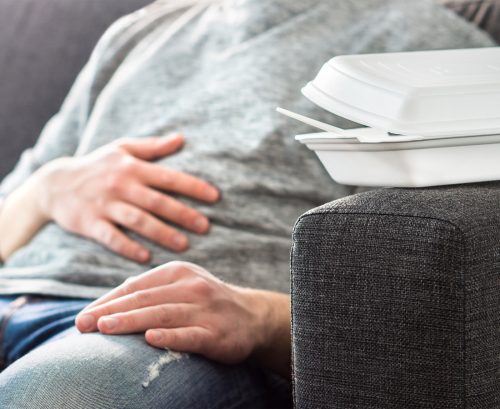
Feeling sleepy after a big meal? Was the couch your only option after Christmas lunch? You may just have succumbed to a food coma.
Food comas are a real thing. The scientific name for a food coma is postprandial somnolence, but food coma is far catchier. So catchy, in fact, the Oxford English Dictionary added it as a word/phrase in 2014.
So, what is it about eating a big meal that makes us so sleepy? There are a few things going on below the surface to do with our physiology, so let’s dive in and explore the territory.
Rest and digest
When you are busily digesting your meal, more blood is shunted to the stomach, as it is needed to transport the nutrients from food. With less blood in other parts of the body, such as the brain and muscles, this can make people feel a little tired.
The digestion process also causes a shift in the activation of your nervous system. You move away from the ‘fight or flight’ activation mode and more towards ‘rest and digest’. The larger the meal, such as traditional Christmas lunch, the greater the shift.
Hormones gone haywire
A whole powerhouse of hormones takes part in the digestion of food. One, in particular, cholecystokinin, known as CCK, is crucial. CCK is linked to making you drowsy, probably by influencing the production of the neurotransmitters serotonin and melatonin. Serotonin makes you feel good, but it also makes you relaxed and sleepy. Melatonin is a key player in regulating your sleeping and waking cycles.
Glucose overload
High glycaemic index (GI) carbohydrates could also be playing their part in the food coma cascade. Having a lot of extra glucose available from quickly absorbed carbohydrates can mean a spike in your production of insulin. Insulin helps your body absorb glucose from the bloodstream after eating a meal. With more insulin in the blood, the brain can take up more of the amino acid tryptophan.
Tryptophan is the precursor for the brain neurotransmitter serotonin, so it’s ‘hello’ to rest and relax time for your body.
But, if you eat a high-protein meal to get more tryptophan, it’s not likely to make you sleepy. This is because you need carbohydrates to stimulate insulin secretion which, in turn, floods small amounts of tryptophan into the brain.
A case of 3.30PM-ITIS
Circadian rhythms also contribute to food comas. Early afternoon is typically the time when we see a decrease in arousal, though the time can vary depending on your normal waking time. Even if you skipped lunch, you may still get tired. But eating a large meal compounds the tiredness and is more likely to send you searching for the nearest recliner.
www.healthyfood.com

 Achieve your goals
Unlock your ultimate healthy eating toolkit
Get instant access to everything you need to plan, shop and eat well in one place.