The truth about anti-inflammatory diets
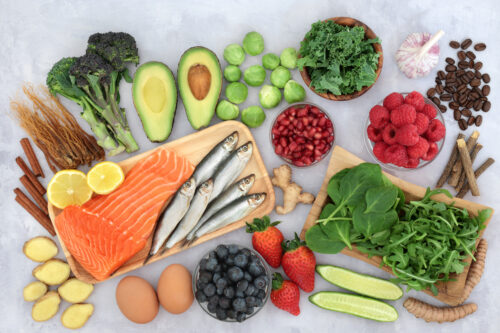
From dairy and tomatoes to seed oils, a lot of foods have been labelled ‘inflammatory’ on social media lately. But does the research agree? And is inflammation really so bad?
Whether it’s ditching sugar, gluten or lactose, diets encouraging the general population to avoid specific foods, nutrients or ingredients in the hope of improving health aren’t new. But if you’ve been on social media lately, you might have noticed that, right now, it’s all about anti-inflammatory diets – and the specific inflammation-triggering foods you need to ban from your fridge if you want to stay well.
It’s trending so hard that more than 20 million people have watched anti-inflammatory-diet videos on TikTok alone. The promise? With inflammation being blamed for everything from weight gain to bloating, all you have to do is avoid the food groups that are ‘bad’ and you can transform your health.
So what’s the reality? Can what you eat cause or prevent inflammation? And even if it can, are the right foods going viral on social media? And how exactly, does inflammation impact your health anyway?
So what is inflammation?
And is it really so bad for your health and well-being? The first thing to know is that there are two main types of inflammation – the acute, short-term type that’s part of the body’s healing process in response to injuries or infections, and the chronic type. That’s where the body’s immune system remains switched on, so that low-grade inflammation hangs around for months or even years. Where acute inflammation is helpful, over time chronic inflammation slowly damages internal organs, tissues and cells and bumps up the risk of a range of diseases, everything from cancer and heart disease to diabetes and dementia. In Australia, it’s estimated that one in three people are living with a disease caused by chronic inflammation. Worldwide, three out of five deaths are due to chronic inflammatory diseases.
How can you tell if you’re living with chronic inflammation? You can have a blood test to measure levels of biomarkers that indicate chronic inflammation, but physical symptoms to look out for include joint pain or stiffness, digestive problems and fatigue.
Can diet contribute to inflammation?
The short answer is yes. Diet isn’t the only thing that contributes to chronic inflammation – other factors like age, smoking, hormonal changes, stress and being sedentary or overweight are also associated with chronic inflammation. But what you eat does play a key role.
In fact, research out of Australia’s Deakin University shows there’s clear evidence for a link between pro-inflammatory diets and at least 27 different chronic diseases.
But that also means the opposite is possible – just like you may have heard or seen via your social media feed, what you eat can help protect against inflammation. However, that doesn’t mean you should believe, or start doing, everything you’re fed online.
TRUE OR FALSE: 8 anti-inflammatory diet claims under the microscope
Time to find out which claims hold water – and which you can forget about
1 The claim: Fermented foods fight inflammation
The research says: Fermented foods like sauerkraut and kimchi can be good sources of probiotics, and some research suggests these ‘good gut bacteria’ may play a role in lowering markers of chronic inflammation. However, other research that reviewed the results of 26 different well-designed studies, failed to find a direct connection between eating fermented foods and improving chronic inflammation.
The bottom line: Sauerkraut and kimchi contain fibre and can help to diversify your diet, both of which are good for gut health. They’re good for you but the jury is out on whether they’re anti-inflammatory in isolation.
2 The claim: Dairy foods are inflammatory
The research says: For the general population, review studies show that dairy products typically have a neutral effect on inflammation, with research published in 2025 even suggesting they may have an anti-inflammatory action for some people.
The bottom line: When it comes to chronic inflammation, unless you’ve been diagnosed with a dairy food allergy, there’s no good health reason to eliminate dairy.
3 The claim: Avoiding gluten will lower your inflammation levels
The research says: That won’t help unless you’ve been diagnosed with coeliac disease.
The bottom line: While it’s important for people living with coeliac disease to treat it with a gluten-free diet to lower the risk of chronic inflammation, for others, avoiding gluten simply risks experiencing unnecessary nutrient gaps. In fact, even if you’ve been diagnosed with a non-coeliac gluten sensitivity or intolerance, while avoiding gluten can eliminate symptoms,
it’s unlikely to impact your chronic inflammation risk.
4 The claim: Eating a Mediterranean diet can stop inflammation
The research says: A 2022 study found that people eating a Mediterranean-type diet, packed with vegetables, fruits, whole grains, nuts, seeds and olive oil, have lower levels of inflammatory markers in their blood, suggesting it can help reduce chronic inflammation. Mediterranean-style diets also contain moderate amounts of fish, chicken, eggs and dairy and minimal red or processed meat and added sugars.
The bottom line: While a Mediterranean diet can certainly be considered anti-inflammatory, and has plenty of other health benefits too, remember that diet isn’t the only thing that contributes to chronic inflammation. In other words – if you have an inflammatory lifestyle, eating one anti-inflammatory food or diet isn’t a silver bullet.
5 The claim: Canola and other seed oils are inflammatory
The research says: So far, the evidence points to the foods seed oils are a common ingredient in as being more of a problem than the seed oils themselves.
The bottom line: According to the University of Queensland, if you’re concerned about inflammation there are probably more important things to worry about than seed oils. The experts’ advice? Reduce your intake of ultra-processed and processed foods more broadly and focus on eating fresh foods. You don’t need to stress out too much about using a little seed oil in your cooking if you’re generally focused on more important factors like eating five or more veg serves a day and keeping cakes, chips, biscuits and deep-fried foods as occasional treats. In fact, studies show replacing saturated fat with polyunsaturated fats like canola oil lowers LDL cholesterol in your body, which can help with cardiovascular health.
6 The claim: Eating ultra-processed foods causes inflammation
The research says: It could. In fact, research shows pro-inflammatory diets are typically those rich in ultra-processed foods. Worryingly, close to 50 per cent of the kilojoules eaten by people in Australia every day come from ultra-processed foods. These include things like chips, chocolate, biscuits, ready-made meals, mass-produced packaged bread, ice-cream, sugary cereals, pies, processed meats and fast foods, as well as some fruit yoghurts and many ready-made meals.
The bottom line: Limiting your intake of ultra-processed foods might not prevent inflammation, but their link to it, as well as a higher risk of everything from type 2 diabetes and cancer to heart disease and even depression, is clear.
7 The claim: Nuts are inflammatory because they’re high in omega-6 fats
The research says: Nuts are a rich source of omega-6 fats, but research shows that some (specifically walnuts and almonds) potentially lower inflammation. So what’s the deal? According to University of Queensland scientists, while we’ve traditionally thought omega-3 fatty acids are anti-inflammatory that doesn’t automatically mean omega-6 fatty acids are pro-inflammatory. The relationship between the two polyunsaturated fatty acids is far more complex. So what’s probably more important when it comes to chronic inflammation is eating a healthier balance of these two fats.
The bottom line: Larger omega-6-to-omega-3 ratios may be associated with higher levels of inflammatory markers – and in developed countries like Australia and New Zealand, we do consume significantly more omega-6s than omega-3s. However, the key isn’t eliminating healthy sources of omega-6 fats, like nuts – which also contain plant-sourced omega-3s and a whole range of other beneficial nutrients. The best way to bring the two into better balance is to boost omega-3 intake by including two or three serves of oily fish per week and limiting ultra-processed foods, which are high in omega-6s as well as saturated fat, sodium and added sugar. And eating 30g of nuts a day is recommended to help protect against CVD, type 2 diabetes and some cancers.
8 The claim: Tomatoes and other ‘nightshade plants’ cause inflammation
The research says: While this debate is a hot and ongoing one, particularly when it comes to rheumatoid arthritis, studies have failed to find evidence that nightshade vegies, including tomatoes, eggplants and under-ripe potatoes, are associated with inflammation.
The bottom line: While some researchers have a theory that nightshade vegetables like tomatoes may aggravate existing inflammation in certain groups of people with autoimmune conditions, they’re not believed to be a direct cause of chronic inflammation.
8 other ways to fight inflammation
Making a few key dietary tweaks, such as upping your veg intake and keeping ultra-processed foods as occasional treats, is one way to lower your risk of chronic inflammation, but there are a handful of other things you can do as well.
1 Get enough exercise
Research shows people who exercise regularly have significantly younger ‘inflammation profiles’ than people who don’t.
2 Treat stress seriously
Stress is a key trigger of chronic inflammation. Mindfulness, meditating, spending time in nature and patting a pet can all help.
3 Get a good night’s sleep
Stick to regular bed and wake-up times, and keep your room cool and dark.
4 Eat colourful fruit & vegies
Fruit and vegetables are good sources of phytonutrients that have beneficial anti-inflammatory and antioxidant effects.
5 Include legumes & whole grains
These are a nutrient-rich, low-GI source of carbs, to keep blood sugar and insulin levels lower, and provide a range of fibre for gut bacteria.
6 Enjoy fish & seafood
As well as protein, iron, zinc, selenium and iodine, fish and seafood are rich in powerfully anti-inflammatory omega-3 fats.
7 Cook with herbs & spices
Think turmeric, ginger, garlic, cinnamon, nutmeg, basil, coriander, cumin, oregano, rosemary, parsley, chives, cloves and so much more.
8 Swap in healthy fats
Where possible, replace butter with extra-virgin olive oil when you make meals.
Related content:
Article sources and references
- University of Queensland. 2024. If you’re worried about inflammation, stop stressing about seed oils and focus on the basics. Available at uq.edu.au
- UCLA Health. n.d. New study indicates tomatoes help with gut health. Available at uclahealth.org
- Tsalamandris S et al. 2019. The role of inflammation in diabetes: current concepts and future perspectives. Eur Cardiol. 14(1):50–59.
- Southern Cross University; The Conversation. 2025. Do TikTok anti-inflammatory diets really work? Available at scu.edu.au
- SaeidiFard N et al. 2020. Fermented foods and inflammation: a systematic review and meta-analysis of randomized controlled trials. Clin Nutr ESPEN. 35:30–39.
- Rajaram S et al. 2023. Effect of nuts on markers of inflammation and oxidative stress: a narrative review. Nutrients. 15(5):1099.
- National Cancer Institute. n.d. Chronic inflammation. Available at cancer.gov
- Healthline. n.d. Inflammation may increase dementia risk by 35%, new study finds. Available at healthline.com
- Healthdirect. n.d. Gut health. Available at healthdirect.gov.au
- Food & Mood Centre. 2021. What is ultra-processed food and how does it affect our health? Available at foodandmoodcentre.com.au
- Deakin University. 2021. Clear evidence for a link between pro-inflammatory diets and 27 chronic diseases. Available at impact.deakin.edu.au
- CSIRO. 2020. Gut-friendly foods: fact or fiction? Available at totalwellbeingdiet.com
- British Heart Foundation. n.d. Inflammation: what is it, and how does it affect the heart? Available at bhf.org.uk
- American Academy of Neurology. n.d. Chronic inflammation in middle age may lead to thinking and memory problems later. Available at aan.com
- University of South Australia. 2024. Healthy sleep needs a healthy day. Available at unisa.edu.au
www.healthyfood.com

 Achieve your goals
Unlock your ultimate healthy eating toolkit
Get instant access to everything you need to plan, shop and eat well in one place.