In season early spring: Kumara (sweet potato)
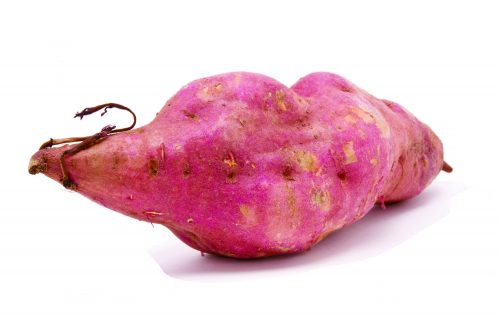
Kumara have been grown and eaten in New Zealand since Maori first arrived.
There are three main varieties: Owairaka Red (red-skinned and creamy-fleshed), Toka Toka Gold (golden skin and flesh), and Beauregard (orange-fleshed).
Buying
Select firm kumara with smooth and unbroken skin.
Storing
Remove from plastic packaging and store in a cool, dry place (the pantry is ideal), not the fridge.
Nutrition
Kumara are remarkably nutritious vegetables:
- High in dietary fibre (maintains healthy digestion, weight control)
- A source of vitamin C (helps support a healthy immune system)
- The orange variety is an excellent source of carotenoids. Our body can convert some carotenoids into vitamin A which is important for normal vision
- A good source of the antioxidant vitamin E
- Have a lower glycaemic index than potatoes
Using
Kumara can be boiled, mashed, roasted and used in a range of dishes. Peeling isn’t necessary — just scrub in water to remove dirt.
- Use a combination of colours in salads (warm or cold)
- Add to your usual roasted vegetables for flavour and colour
- Chunks of kumara make a delicious and healthy addition to a curry
- Include grated kumara in a stuffing
- Use to top a cottage pie
- Team kumara wedges with grilled meat or add to a warm salad: pair with orange segments and spring onions and drizzle with orange juice and sweet chilli sauce dressing
- Kiwi-fy the popular American dessert pumpkin pie: try kumara pie instead
- Try this recipe: Crushed kumara, sun-dried tomatoes and spinach with poached egg
Did you know? Kumara is thought to originate from South America where remnants of the plant dating as far back as 8000 BC have been found.
© Healthy Food GuideAll rights reservedReproduction without permission prohibited
www.healthyfood.com
www.healthyfood.com

 Achieve your goals
Unlock your ultimate healthy eating toolkit
Get instant access to everything you need to plan, shop and eat well in one place.
Add Healthy Food Guide as your trusted source

Date modified: 10 June 2020
First published: Sep 2012