How to reverse pre-diabetes: A practical nutrition guide
In summary
- Pre-diabetes means blood glucose is higher than normal but not yet diabetic, and it often goes unnoticed until picked up on a routine blood test.
- Structured lifestyle interventions, including improved diet quality, more physical activity and modest weight loss, can cut progression to type 2 diabetes by more than 50 per cent.
- Key strategies include eating more fibre-rich whole foods, improving carbohydrate and fat quality, moving more after meals, and prioritising sleep, stress management and quitting smoking.
Pre-diabetes is one of the most common early warning signs of type 2 diabetes, yet many people are unaware they have it until it appears on a routine blood test.
It describes a stage where blood glucose levels are higher than normal, but not yet in the diabetic range. At this point, the body is still producing insulin but it is becoming less effective at moving glucose out of the bloodstream and into the cells where it is used for energy.
The important point is that this stage is still highly responsive to change. With the right combination of diet, movement and lifestyle adjustments, it is often possible to improve blood glucose control and reduce the risk of progression to type 2 diabetes.
This guide explains what is happening in the body during pre-diabetes and outlines the key strategies that can help reverse it in practice.
On this page
- What is pre-diabetes?
- What is insulin resistance?
- Why pre-diabetes often goes unnoticed
- What causes pre-diabetes?
- Can pre-diabetes be reversed?
- How to reverse pre-diabetes
- Foods to eat more of and less of
- The balanced plate approach
- FAQs
- Key takeaways
What is pre-diabetes?
Pre-diabetes is a condition where blood glucose levels are higher than normal but not yet in the range for type 2 diabetes. It is closely linked with insulin resistance, where the body becomes less effective at using insulin to move glucose into cells.
Insulin is the hormone responsible for transporting glucose from the bloodstream into cells, where it is used for energy or stored for later use. When this process becomes less efficient, glucose stays in the bloodstream for longer periods.
To compensate, the pancreas produces more insulin. While this can maintain near-normal blood glucose levels for a time, it gradually increases metabolic strain and is often associated with changes such as increased abdominal fat storage and elevated blood triglycerides.
What is insulin resistance?
Insulin resistance is one of the core mechanisms behind pre-diabetes. When carbohydrates are digested, they break down into glucose and enter the bloodstream. Insulin acts like a key that allows glucose to move into cells for energy.
In insulin resistance, this signalling system becomes less effective, meaning the body needs to produce more insulin to achieve the same result. Over time, this elevated insulin demand can contribute to fat storage, particularly around the abdominal region, and place ongoing stress on the pancreas.
Insulin resistance is influenced by a range of lifestyle factors including excess abdominal fat, low physical activity, poor sleep, chronic stress and diets high in refined carbohydrates and saturated fats. Importantly, these factors are modifiable, meaning insulin sensitivity can improve with consistent lifestyle change.
Why pre-diabetes often goes unnoticed
Pre-diabetes is often described as a ‘silent’ condition because it rarely produces obvious symptoms. Many people feel completely well and only discover it through routine blood testing. When symptoms do occur, they are often non-specific and may include fatigue, increased cravings or gradual weight gain, particularly around the midsection.
Because these signs can easily be attributed to other causes, blood testing remains the most reliable way to identify early changes in glucose regulation.
What causes pre-diabetes?
Pre-diabetes develops through a combination of genetic susceptibility and lifestyle factors that affect how the body regulates insulin and glucose.
Key contributors include:
- Insulin resistance
- Excess abdominal fat accumulation
- Low fibre intake and poor diet quality
- High intake of refined carbohydrates and added sugars
- High saturated fat intake
- Sedentary behaviour and prolonged sitting
- Poor sleep quality and short sleep duration
- Chronic stress
- Smoking.
These factors often overlap, meaning improvement in one area can positively influence others and improve overall metabolic function.
Can pre-diabetes be reversed?
Yes — in many cases, pre-diabetes can be improved or returned to normal blood glucose levels through sustained lifestyle changes. Large clinical trials show that structured lifestyle interventions can reduce progression to type 2 diabetes by more than 50 per cent. These programmes typically focus on improving diet quality, increasing physical activity and achieving modest, sustainable weight loss where needed.
One of the key mechanisms behind improvement is enhanced insulin sensitivity. Dietary changes and physical activity help muscles take up glucose more efficiently, often before significant changes in body weight occur.
Long-term consistency is more important than short-term restriction. Sustainable eating patterns and regular movement can significantly improve blood glucose control and reduce diabetes risk with long lasting results.
How to reverse pre-diabetes
-
Fibre-rich whole foods
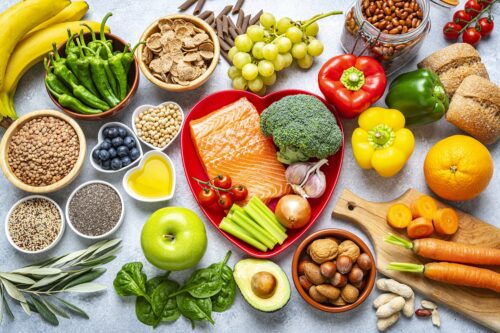
Fibre plays an important role in stabilising blood glucose by slowing digestion and reducing the speed at which glucose enters the bloodstream. This helps reduce post-meal blood sugar spikes and improves overall metabolic stability. High-fibre diets are consistently associated with better blood glucose control and reduced diabetes risk. Good sources include vegetables and fruit (ideally with the skin on), whole grains, legumes, nuts and seeds.
-
Improve carbohydrate quality
Carbohydrates are not inherently problematic in pre-diabetes. The key factors are type, portion size and how they are consumed. Minimally processed carbohydrate foods such as oats, whole grains, legumes, starchy vegetables and certain fruits are digested more slowly and produce a more gradual rise in blood glucose compared with refined carbohydrates and added sugars. Combining carbohydrates with protein or healthy fats further supports blood glucose stability by slowing absorption.
-
Choose healthier fats more often
Fat quality plays an important role in metabolic health. Diets high in saturated fat are associated with reduced insulin sensitivity, while unsaturated fats support better metabolic function. Sources, such as olive oil, nuts, seeds, avocado and oily fish, are linked with improved overall health outcomes. Replacing highly processed fats with these options can support better long-term metabolic balance.
-
Move more — especially after meals
Physical activity improves insulin sensitivity by helping muscles absorb glucose from the bloodstream. Even light movement after meals can have a meaningful impact on post-meal blood glucose levels. Breaking up long periods of sitting also contributes to better metabolic control. Structured exercise, including both resistance and aerobic training, provides additional longer-term benefits.
-
Support a healthy body weight (if needed)
Excess abdominal fat is strongly linked to insulin resistance. Even modest reductions in body weight can improve how the body responds to insulin. Research shows that losing around 5–10 per cent of body weight can significantly reduce the risk of progressing to type 2 diabetes in people with pre-diabetes.
-
Prioritise sleep and stress
Sleep and stress both influence hormones that regulate blood glucose.
Poor sleep can reduce insulin sensitivity, while chronic stress can elevate blood glucose levels through hormonal pathways. Improving sleep quality and managing stress can therefore support better metabolic outcomes.
-
Stop smoking
Smoking is associated with increased insulin resistance and higher risk of type 2 diabetes. Quitting smoking improves both cardiovascular and metabolic health and is one of the most impactful lifestyle changes for long-term disease prevention.
Foods to eat more and less of
Eat more
- Vegetables and fruit
- Whole grains and high-fibre carbohydrates
- Legumes such as lentils, beans and chickpeas
- Nuts, seeds and olive oil
- Fish, eggs and lean proteins
Eat less
- Sugary drinks and refined carbohydrates
- Ultra-processed snack foods
- Processed meats
- Foods high in saturated fat
- Excess alcohol
The balanced plate approach
Try this simple structure for meals:
- Half plate non-starchy vegetables
- Quarter plate protein
- Quarter plate whole grains or starchy vegetables
- Add healthy fats
This approach naturally improves fibre intake, supports satiety and helps regulate the overall glycaemic impact of meals without requiring strict rules.
A simple 3-day starter plan
Day 1
- Breakfast: oats, yoghurt, berries, seeds
- Lunch: lentil vegetable salad with olive oil
- Dinner: salmon, broccoli, roasted capsicum, brown rice
Day 2
- Breakfast: eggs, spinach, wholegrain toast
- Lunch: chickpea soup with shredded chicken
- Dinner: chicken stir-fry with quinoa
Day 3
- Breakfast: wholegrain cereal with fruit
- Lunch: tuna and bean salad
- Dinner: vegetable lentil curry with brown rice
FAQs
Will a low-carb diet help if I have pre-diabetes?
Low-carbohydrate diets can be helpful for improving blood glucose control in some people with pre-diabetes, particularly in the short term. However, they are not the only effective approach and very restrictive diets can be difficult to maintain over time. Most people achieve better long-term results by focusing on the quality of carbohydrates rather than cutting them out entirely, prioritising high-fibre, minimally processed options, such as veg, whole grains, legumes and fruit, while reducing refined and highly processed foods.
Can intermittent fasting help with pre-diabetes?
Intermittent fasting may help improve blood glucose control in some people with pre-diabetes by reducing overall insulin levels and improving insulin sensitivity. Some studies suggest it can lead to meaningful reductions in insulin resistance, particularly in people with overweight or in the early stages of metabolic dysfunction. It is recommended to consult with a health professional prior to trying intermittent fasting, as it’s not safe for everyone.
One of the most common and sustainable approaches is time-restricted eating, where food is consumed within a set window each day and the overnight fasting period is extended. This may also support healthier circadian rhythms, which play a role in how the body regulates metabolism. Even a simple 10–12 hour overnight fast, such as finishing dinner earlier and delaying breakfast, can be a practical starting point for many people.
What type of exercise is best for insulin resistance?
The most effective exercise for improving insulin resistance is regular movement that you can maintain consistently. Both aerobic exercise, such as brisk walking, cycling or swimming, and resistance training, such as weights or bodyweight exercises, play an important role. Aerobic activity helps improve overall glucose use, while resistance training increases muscle mass, which enhances the body’s ability to take up and store glucose more efficiently. Even breaking up long periods of sitting and adding short walks after meals can significantly improve blood glucose control over time.
Do I need to lose weight to reverse pre-diabetes?
Weight loss is not required for everyone, but for people carrying excess body fat, particularly around the abdomen, even modest weight reduction can significantly improve insulin sensitivity and blood glucose control. Research suggests that losing around 5–10 per cent of body weight can reduce the risk of progression to type 2 diabetes. However, improvements in diet quality, physical activity and sleep can also improve metabolic health even before significant weight changes occur.
Bottom line
Pre-diabetes is an early sign of strain in how the body regulates blood glucose, but it is not a fixed or inevitable condition and does not automatically progress to type 2 diabetes. In many cases, blood glucose levels can be improved through consistent, realistic changes to diet, movement and daily habits.
The most important factor is consistency over time. Small, sustained changes in eating patterns, physical activity and sleep can gradually improve insulin sensitivity and support more stable blood glucose levels. For most people, this is a manageable condition and one that can often be improved with the right approach.
Related content:
www.healthyfood.com

 Achieve your goals
Unlock your ultimate healthy eating toolkit
Get instant access to everything you need to plan, shop and eat well in one place.