Being dairy-free: How to meet your nutritional needs
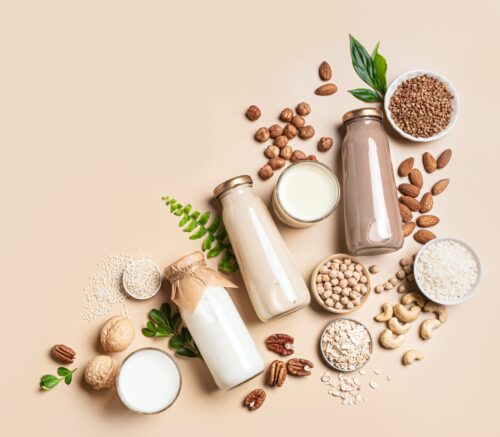
While dairy is an important nutrient-rich food source, more people than ever are choosing to limit or remove dairy foods from their diets. For some, the reason is medical, such as lactose intolerance or cow’s milk allergy. Others follow plant-based or vegan diets, while some have environmental or ethical concerns.
Dairy foods, such as milk, yoghurt and cheese, are well known for providing calcium and protein, along with nutrients like iodine and vitamin B12. Because of this, people need be mindful of not missing out on important nutrients if they stop eating dairy.
The good news is a well-planned dairy-free diet can still provide everything your body needs. With the right food choices and a varied diet, it is entirely possible to maintain strong bones and overall health without dairy foods.
This guide explains which nutrients dairy normally provides, how to replace them in a dairy-free diet, the best foods to include and practical ways to build balanced meals.
On this page
- Why people go dairy-free
- Do you need dairy to be healthy?
- Key nutrients to focus on when you are dairy-free
- Dairy-free sources of calcium
- Choosing dairy alternatives
- Building a balanced dairy-free diet
- Quick swaps for common dairy foods
- A sample dairy-free day of eating
- Common mistakes when going dairy-free
- When to seek professional advice
- FAQs
Why people go dairy free
People cut out dairy for many reasons – to manage digestive symptoms, because of a diagnosed allergy, as part of a plant-based way of eating, concerns about the environment or animal welfare, or simply personal preference. Knowing what’s driving the change helps you work out how diligent you need to be, which foods (if any) you might still tolerate and whether you should seek guidance from a health professional.
Lactose intolerance
Lactose intolerance occurs when the body has difficulty digesting lactose, the natural sugar found in milk. Symptoms may include bloating, abdominal discomfort and diarrhoea after eating dairy products.
Some people with lactose intolerance can tolerate small amounts of dairy, particularly yoghurt or hard cheeses, which naturally contain less lactose.
Cow’s milk allergy
Cow’s milk allergy is an immune reaction to proteins found in milk, including whey and casein. Even small amounts of dairy can trigger symptoms in people with an allergy.
Symptoms can range from mild digestive discomfort to skin reactions or breathing problems or, in severe cases, anaphylaxis. Milk allergy is most common in young children and many outgrow it over time.
Plant-based or vegan diets
Many people avoid dairy as part of vegan or some types of vegetarian eating patterns.
These diets emphasise plant foods such as vegetables, fruit, legumes, grains, nuts and seeds.
Environmental or animal welfare concerns
The dairy industry is a source of greenhouse gases, leading some environmentally conscious consumers to switch to plant-based alternatives. Concerns over the treatment of cows, particularly the separation of calves from their mothers and intensive farming are motivators for some to avoid dairy.
Personal preference or digestive comfort
Some people simply prefer to limit dairy foods or find they feel better when they reduce them.
Do you need dairy to be healthy?
Dairy foods can be a convenient bioavailable source of important nutrients, but there are alternatives that can ensure you maintain good health. Milk, yoghurt and cheese provide calcium, protein and several vitamins and minerals including iodine, zinc and vitamin B12. These nutrients are important for bone health, muscle function and many other processes in the body.
However, these nutrients are not unique to dairy foods. With thoughtful planning and a varied diet, they can also be obtained from plant foods, fortified products and other protein sources. For people who avoid dairy, the most important step is making sure these nutrients are replaced elsewhere in the diet.
Key nutrients to focus on when you are dairy-free
When dairy is removed from the diet, several nutrients deserve particular attention.
Calcium
Calcium is the nutrient most strongly associated with dairy foods and it plays a central role in bone health. About 99 per cent of the body’s calcium is stored in bones and teeth, where it helps maintain their strength and structure. Calcium is also needed for muscle contraction, nerve signalling and heart function.
If calcium intake is consistently too low, the body may draw calcium from bones to maintain these essential functions. Over time, this can weaken bones and increase the risk of osteoporosis.
Daily calcium needs vary depending on age and life stage. The general recommended dietary intakes are:
Life stage Recommended calcium intake per day
Children 1–3 years 500mg
Children 4–8 years 700mg
Boys & Girls 9–18 years 1300mg
Adults 19–50 years 1000mg
Men 51–70 years 1000mg
Women 51–70 years 1300mg
Adults 70+ years 1300mg
Top dairy-free foods rich in calcium
1 Fortified plant milk alternatives
Milk alternatives readily available in supermarkets include soy, rice, oat, almond and coconut. Plant and nut-based milk alternatives are naturally lower in vitamins and minerals than cow’s milk, so it’s important to look for fortified products. When replacing cow’s milk, remember it is a good source of protein. Soy ‘milks’ are higher in protein than other milk alternatives, with around 3g-4g protein per 100ml, similar to cow’s milk. Look for milk alternatives with 3g or more protein per 100ml. Also, keep an eye on saturated fat. Opt for products that contain 1g or less saturated fat per 100ml. Calcium may only be present in very small amounts in milk alternatives, so it’s important to choose a fortified product that contains 120mg or more calcium per 100ml. A cup of fortified soy milk can contain a similar amount of calcium to dairy milk. Finally, choose unsweetened milk alternatives.
2 Tofu (calcium-set)
When tofu is made using calcium salts, it becomes a particularly useful calcium source. About 100g of tofu can provide around 200mg of calcium
3 Almonds
Almonds have the highest calcium content of all nuts. About ¼ cup provides roughly 100mg of calcium, making them an easy addition to snacks, salads or breakfast bowls.
4 Broccoli
As well as being rich in fibre and antioxidants, one cup of cooked broccoli provides around 60mg of calcium.
5 Legumes
Beans such as white beans, chickpeas, and red beans can contribute to your calcium intake as well, with about 110mg calcium per cup of cooked beans.
6 Shellfish
Seafood, such as oysters, mussels and clams, accumulate minerals from seawater. A dozen oysters can provide around 125mg of calcium.
7 Seaweed
Seaweed contains many minerals from seawater. Half acup of raw seaweed contains roughly 50mg of calcium, making sushi or seaweed salads another source.
8 Silver beet
This leafy green vegetable provides around 90mg of calcium per ¾ cup cooked and can be added to stir-fries, frittatas or soups.
9 Dried figs
Figs are very nutrient dense, and around 7 medium figs can provide 100mg of calcium.
Vitamin D
Vitamin D helps the body absorb calcium efficiently. Sunlight exposure is one of the main ways the body produces vitamin D, but it can also come from foods such as:
- oily fish (salmon, sardines, mackerel)
- eggs
- mushrooms, even more so when exposed to sunlight before cooking
- fortified foods
Without adequate vitamin D, calcium absorption may be reduced.
Protein
Protein supports muscle maintenance, immune health and tissue repair.
While dairy foods are a convenient protein source, many other foods also provide it, including:
- beans and lentils
- chickpeas
- tofu and tempeh
- meat and poultry
- eggs
- fish
- nuts and seeds
Whole grains including a variety of protein foods throughout the day helps meet your needs.
Vitamin B12
Vitamin B12 is naturally found in animal foods such as meat, fish, eggs and dairy.
People following vegan diets may need fortified foods or supplements to meet their B12 requirements.
Iodine
Iodine supports thyroid function and metabolism.
Dairy foods are a common iodine source in many diets, so those avoiding dairy should consider other sources such as:
- seafood
- eggs
- iodised salt
- seaweed (in moderate amounts)
Choosing dairy alternatives
Plant-based alternatives to milk and yoghurt are widely available today.
Common options include:
- soy milk
- almond milk
- oat milk
- rice milk
- coconut milk
However, these alternatives differ in their nutritional profiles. Some plant milks naturally contain very little protein or calcium unless they are fortified. When choosing dairy alternatives, look for products that:
- are fortified with calcium (>120mg calcium per 100ml)
- contain minimal added sugar
- provide protein where possible
Fortified soy milk is often the closest nutritional match to dairy milk because it contains both protein and added calcium.
Building a balanced dairy-free diet
A balanced dairy-free diet focuses on variety.
Rather than thinking about what is missing from your diet, it can help to focus on including a wide range of nutrient-rich foods. Eating a wide variety of foods helps ensure you meet your nutritional needs.
A typical healthy dairy-free eating pattern includes:
- Vegetables and fruit : These provide fibre, vitamins and antioxidants that support overall health.
- Whole grains: Foods such as oats, brown rice, quinoa and wholegrain bread provide energy and important nutrients.
- Legumes: Beans, lentils and chickpeas provide protein, fibre and minerals.
- Protein foods: Eggs, fish, lean meat, tofu, nuts and seeds can provide protein and key nutrients.
- Calcium-rich foods: Regularly including calcium-containing foods helps support bone health.
Quick swaps for common dairy foods
Going dairy-free does not mean giving up familiar meals. Many dairy foods can be replaced with alternatives.
| Instead of | Try | |
| Cow’s milk | Calcium-fortified soy or almond milk | |
| Yoghurt | Soy or almond yoghurt. Be mindful of saturated fat if choosing a coconut yoghurt. | |
| Cream | Coconut cream (occasionally as I’s high in saturated fat) or blended cashews | |
| Cheese | Plant-based cheese or nutritional yeast (some plant-based cheese is made primarily of coconut oil, so be mindful of the high sat fat content) | |
| Butter | Extra-virgin olive oil, avocado or dairy-free spreads | |
| Ice cream | Dairy-free ice cream. Be mindful of saturated fat content in coconut=based ice creams. |
Some alternatives are highly processed, so it is still helpful to read labels and choose products with simple ingredients where possible.
A dairy-free day eating a plate
This example shows how a dairy-free diet can include a variety of nutrient-rich foods.
Breakfast
Oats made with fortified soy milk, topped with almonds, chia seeds and berries. (433mg calcium)
Or try our overnight oats with mango and banana
Morning snack
A piece of fruit and a handful of nuts.
Lunch
Quinoa salad with roasted vegetables, chickpeas, spinach and tahini dressing. (259mg calcium)
Or try our delicious chicken and quinoa salad with strawberries
Afternoon snack
Carrot sticks with hummus. (50mg calcium)
Dinner
Grilled salmon with brown rice and stir-fried silverbeet. (162mg calcium
Not into fish? Try our fried egg and chicken rice with charred corn
Dessert
Yoghurt with dried figs (392mg calcium), or for something a little more decadent with hidden veg, try our sweet potato brownie recipe.
Total calcium of the day: ~1300mg
This type of eating pattern provides protein, calcium, fibre and healthy fats across the day.
Common mistakes when going dairy free
Removing dairy without replacing its nutrients can lead to nutritional gaps. Common pitfalls include:
- Not replacing calcium sources. If dairy foods were previously a major calcium source, removing them without alternatives will reduce calcium intake.
- Relying heavily on processed substitutes. Some manufactured dairy-free products are highly processed and may contain added sugars or little nutritional value.
- Eating a limited range of foods. A varied diet helps ensure you obtain the full range of nutrients your body needs.
When to seek professional advice
Most people can meet their nutritional needs without dairy through careful food choices.
However, some groups may benefit from professional guidance, including:
- children and teenagers
• pregnant or breastfeeding women
• older adults
• people following strict vegan diets
A dietitian can help ensure your diet includes adequate calcium, protein and other essential nutrients.
FAQs
Do you need dairy to get enough calcium?
No. Dairy foods are a convenient source of calcium, but they are not the only option. Calcium can also be obtained from foods such as tofu made with calcium salts, nuts and seeds, legumes, leafy greens and fortified plant milks. Intentionally including a range of these foods regularly can help meet daily calcium needs.
What plant milk is closest nutritionally to dairy milk?
Fortified soy milk is usually the closest match to dairy milk. It contains similar levels of protein and is fortified with calcium and other nutrients. Other plant milks, such as almond or oat milk, may contain less protein unless they are fortified.
Is it difficult to get enough calcium without dairy?
It can take a little more planning, but it is entirely possible. Including calcium-rich foods throughout the day – such as fortified plant milks, tofu, nuts and green vegetables – can help you meet your requirements.
Is a dairy-free diet healthier?
Not necessarily. Removing dairy does not automatically make a diet healthier. The overall balance of your diet matters more. A healthy diet focuses on variety and nutrient-rich foods, whether or not dairy is included.
Should people on dairy-free diets take supplements?
Not always, but people who avoid dairy do need to pay close attention to nutrients such as calcium and in some cases vitamin B12. Many people can meet their needs through food if they regularly include calcium-rich options such as calcium-fortified soy milk, tofu, fortified breakfast cereals and canned sardines. If your diet is very restricted, or you are unsure whether you are meeting your needs, it’s worth speaking to a healthcare professional.
Does dairy increase mucus?
This is a common myth. Many people believe they should avoid milk when they have a cold because it increases mucus or phlegm. Research has found no evidence that dairy foods increase mucus production.
The sensation of thicker saliva some people notice after drinking milk is related to its texture coating the mouth and throat rather than actual mucus production.
Is dairy bad for digestion?
Dairy can cause digestive discomfort for people with lactose intolerance, but this does not apply to everyone.
Lactose intolerance occurs when the body has difficulty digesting lactose, the natural sugar in milk. Some people with lactose intolerance can still tolerate small amounts of dairy, particularly yoghurt or hard cheeses, which naturally contain less lactose.
Do people generally feel better without dairy?
Not necessarily. Some people feel better reducing dairy because of lactose intolerance or digestive sensitivity. Others tolerate dairy perfectly well and can include it as part of a balanced diet.
The most important factor is choosing an eating pattern that supports your nutritional needs and overall well-being.
Is plant milk automatically healthier than dairy milk?
Not necessarily. Some plant-based milks contain less protein and fewer nutrients than dairy milk unless they are fortified. Choosing fortified varieties can help provide nutrients such as calcium and vitamin B12. Reading labels can help you choose options that support your nutritional needs.
Related content:
Article sources and references
- National Health and Medical Research Council (Australia) & Ministry of Health (New Zealand). 2006. Nutrient Reference Values for Australia and New Zealand including Recommended Dietary Intakes.
- Ministry for Primary Industries. 2016. Mandatory iodine fortification in New Zealand: Supplement to the Australian Institute of Health and Welfare 2016 report – Monitoring the health impacts of mandatory folic acid and iodine fortification. MPI Technical Paper No: 2016/32.
- Weaver C et al. 2016. “The National Osteoporosis Foundation position statement on peak bone mass developmental and lifestyle factors: A systematic review and implementation recommendations.” Osteoporosis International 27:1281–1386.
- Perez-Lopez FR et al. 2010. “Bone mass gain during puberty and adolescence: Deconstructing gender characteristics.” Current Medicinal Chemistry 17:453–66.
- Ministry of Health. 2012. Food and nutrition guidelines for healthy Children and Young People (Aged 2–18 years). A Background Paper. Wellington: Ministry of Health.
- University of Otago and Ministry of Health. 2011. A Focus on Nutrition: Key Findings of the 2008/09 New Zealand Adult Nutrition Survey. Wellington: Ministry of Health.
- Should your child be dairy free? https://www.healthyfood.com/advice/should-your-child-be-dairy-free/
- Are you hitting your nutrition targets? https://www.healthyfood.com/advice/are-you-hitting-your-nutrition-targets/
- Ask the experts: Calcium and lactose intolerance https://www.healthyfood.com/ask-the-experts/calcium-and-lactose-intolerance/
- Fact or fiction: Drinking milk increases mucus https://www.healthyfood.com/advice/fact-or-fiction-drinking-milk-increases-mucus/
- Calcium: How much do YOU need? https://www.healthyfood.com/advice/calcium-how-much-do-you-need/
- 8 calcium-rich foods that are dairy free https://www.healthyfood.com/healthy-shopping/8-calcium-rich-foods-that-are-dairy-free/
- How much calcium is in your groceries? https://www.healthyfood.com/healthy-shopping/how-much-calcium-is-in-your-groceries/
- Lactose intolerance and milk allergy https://www.healthyfood.com/advice/lactose-intolerance-and-milk-allergy/
- How to choose milk alternatives https://www.healthyfood.com/advice/how-to-choose-milk-alternatives/
www.healthyfood.com

 Achieve your goals
Unlock your ultimate healthy eating toolkit
Get instant access to everything you need to plan, shop and eat well in one place.